Bringing clarity and cohesion to a stretched nonprofit brand
Family & Children’s Services had the ingredients of a strong brand: deep community embedment, vital programs, and a mission that actually changes lives. What they didn’t have was coherence. Every department told the story differently and every campaign reinvented the wheel. The brand was drifting out of alignment. The organization hadn’t outgrown its mission, but it had definitely outgrown its branding.
I helped FCS evolve the brand from the inside out. Slowly, we tightened the strategy, refreshed the visual identity, built a small content studio, and established systems that make good work easier to produce.


Designing a brand that behaves better
Everything is brand. Every action, every touchpoint, every way we show up adds up to how people remember us.
Family & Children’s Services didn’t have much holding that memory together. Just a few colors, a typeface, and a logo. No structure, no strategy, no shared sense of what the brand meant.
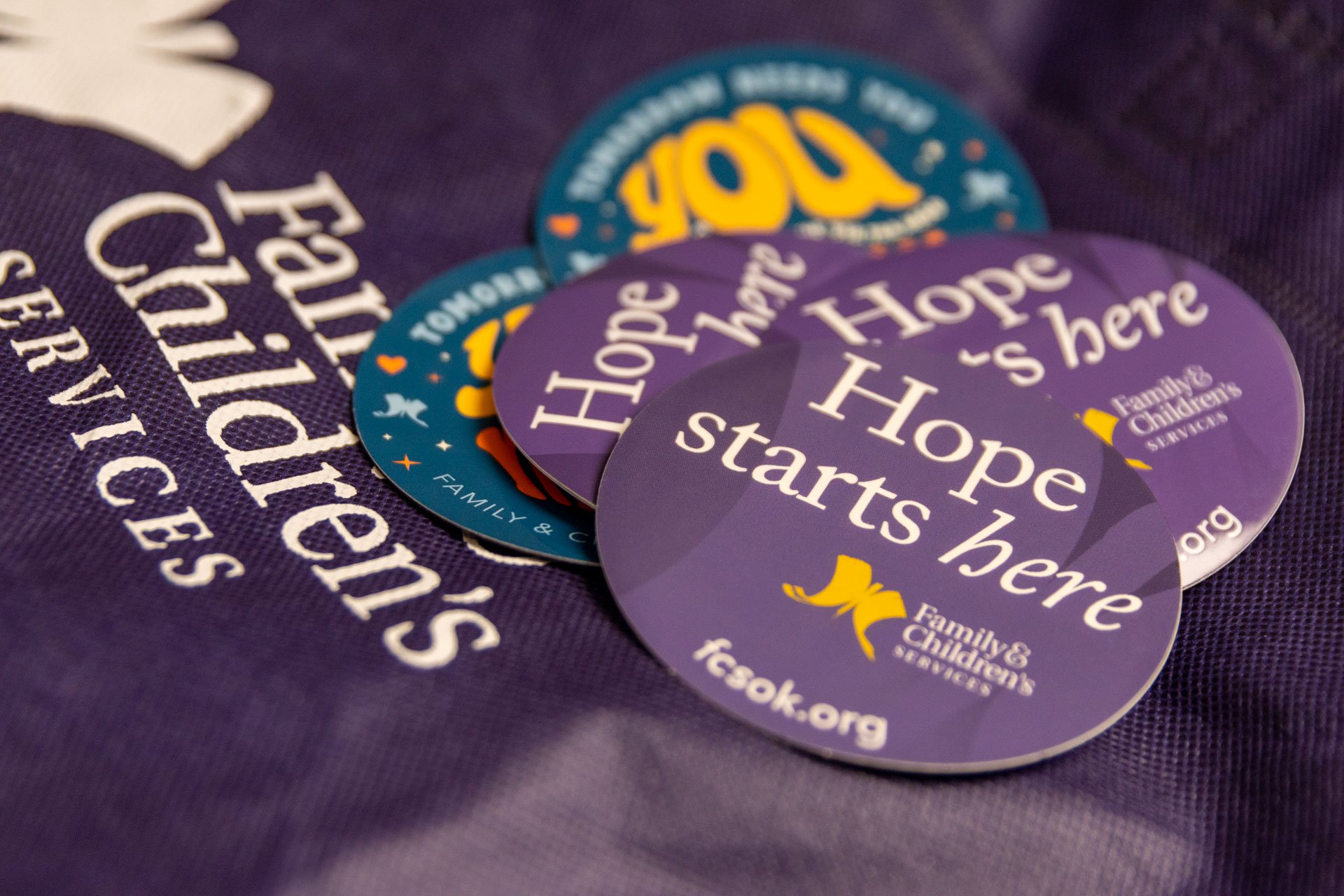
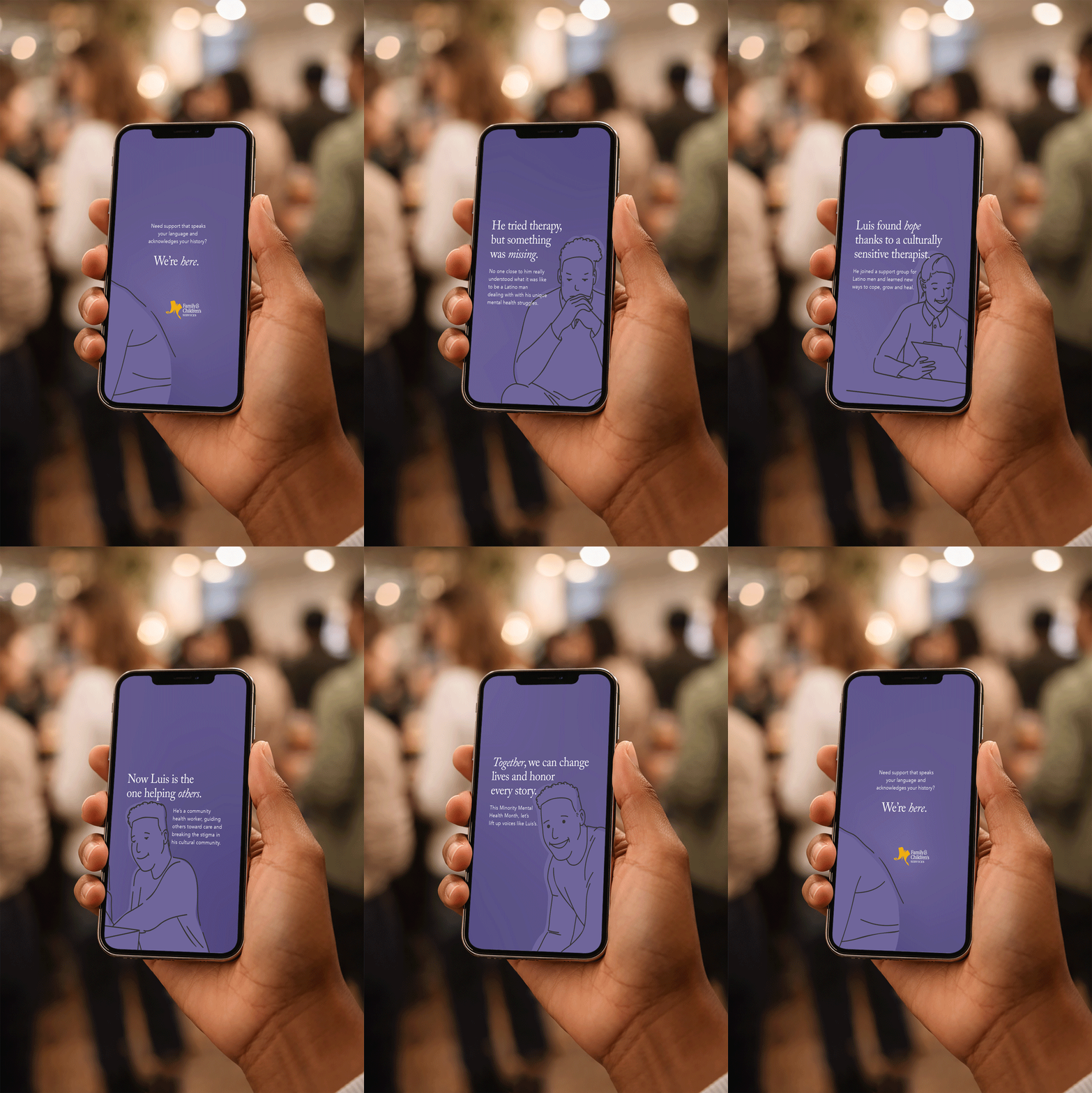
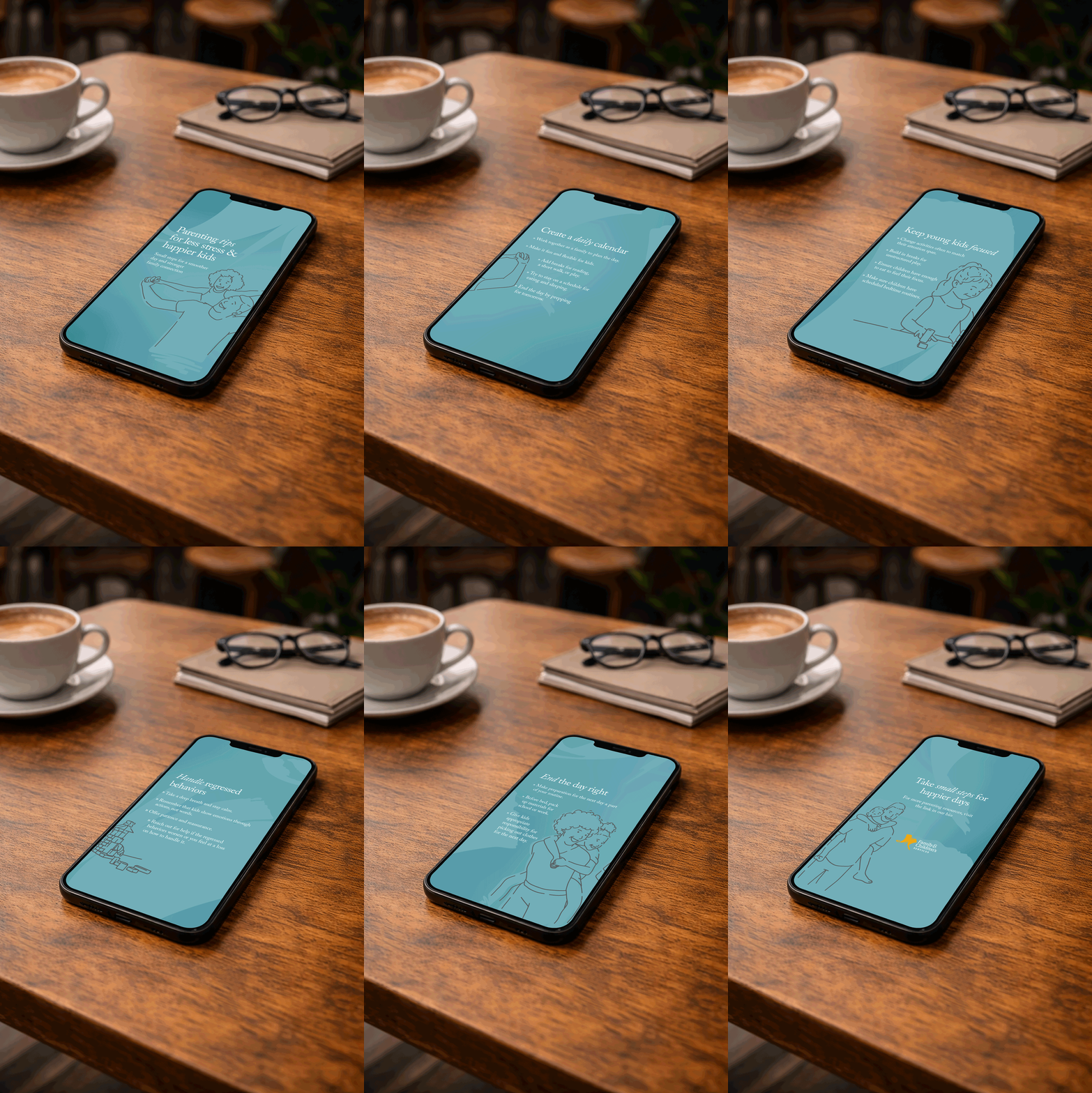
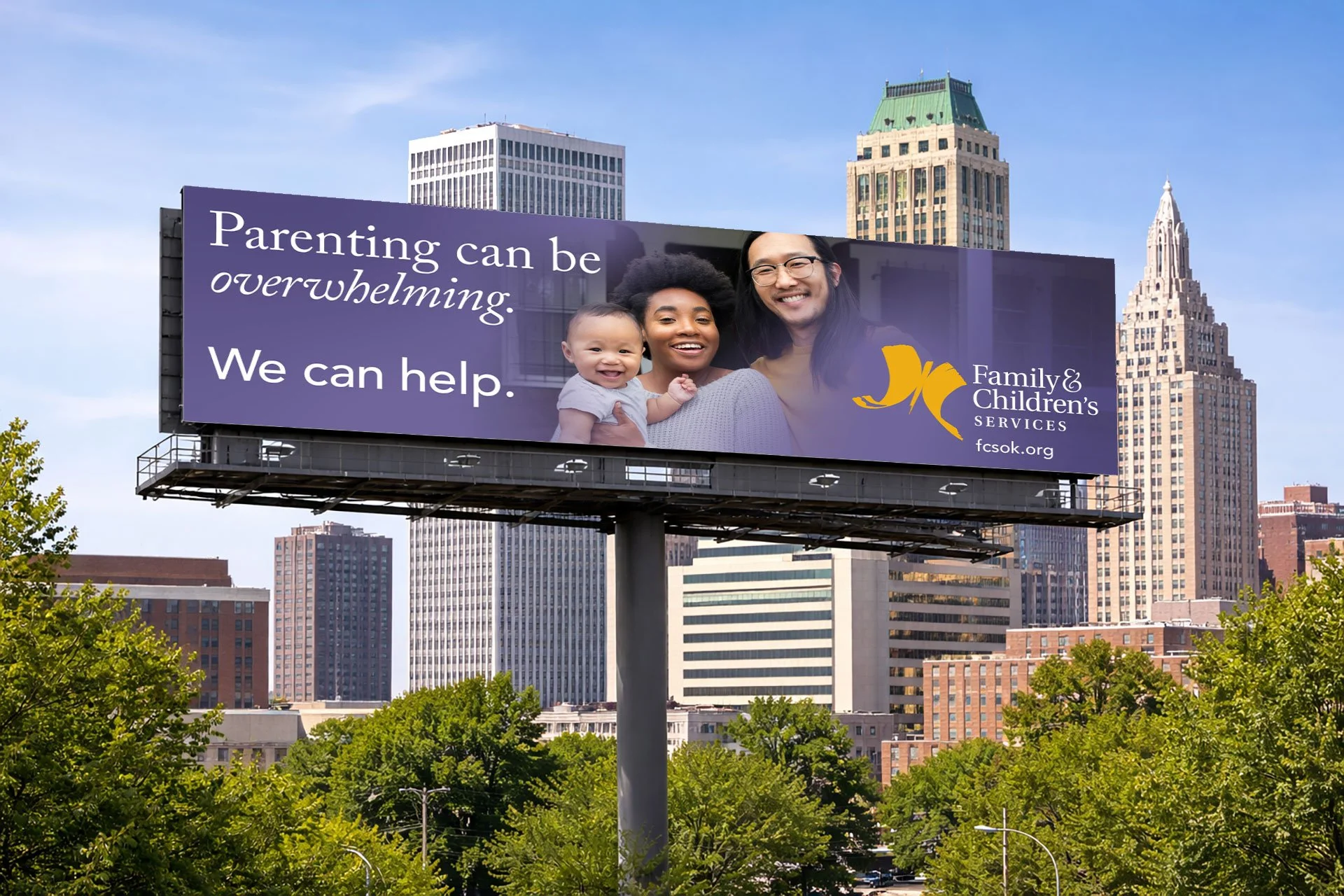
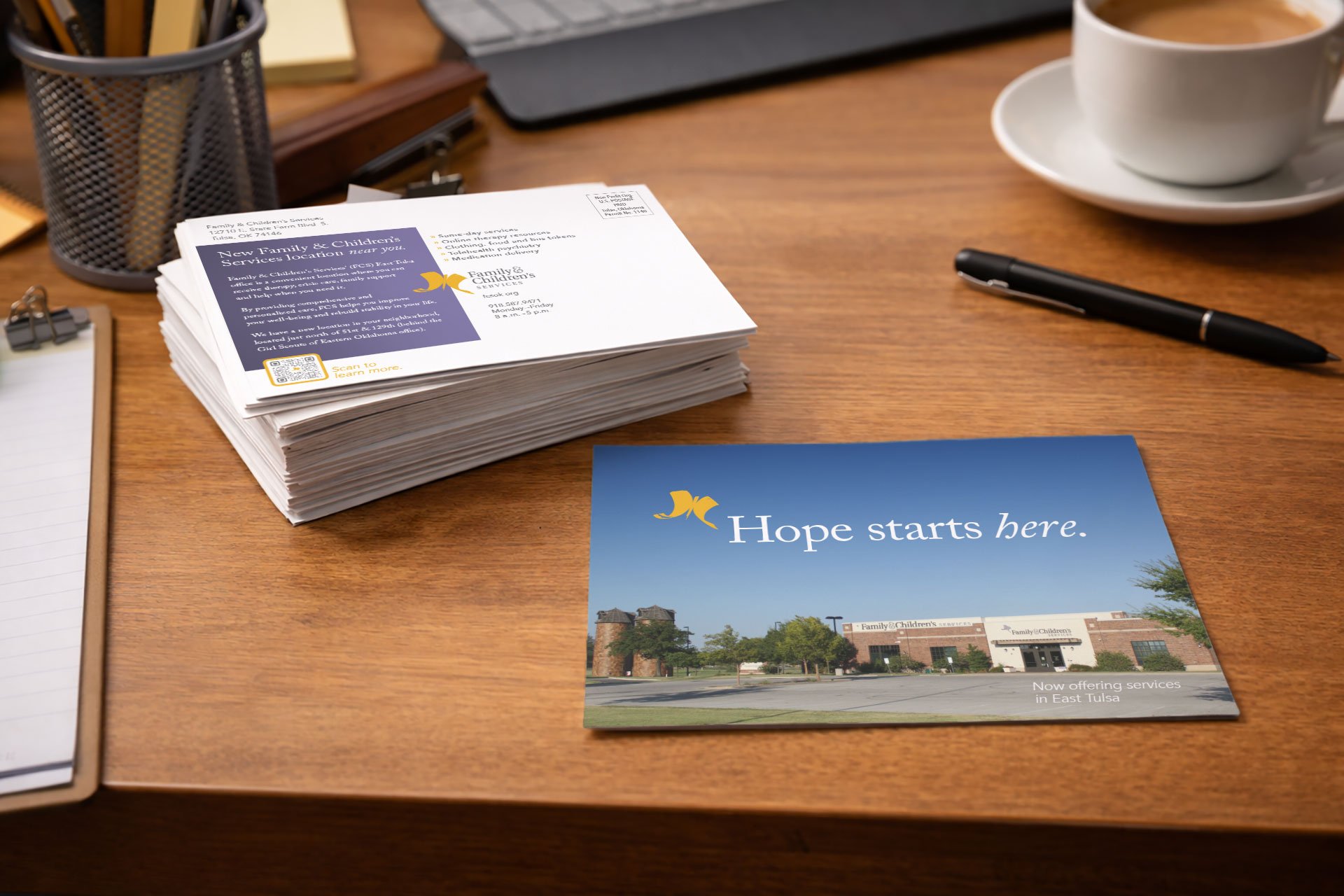
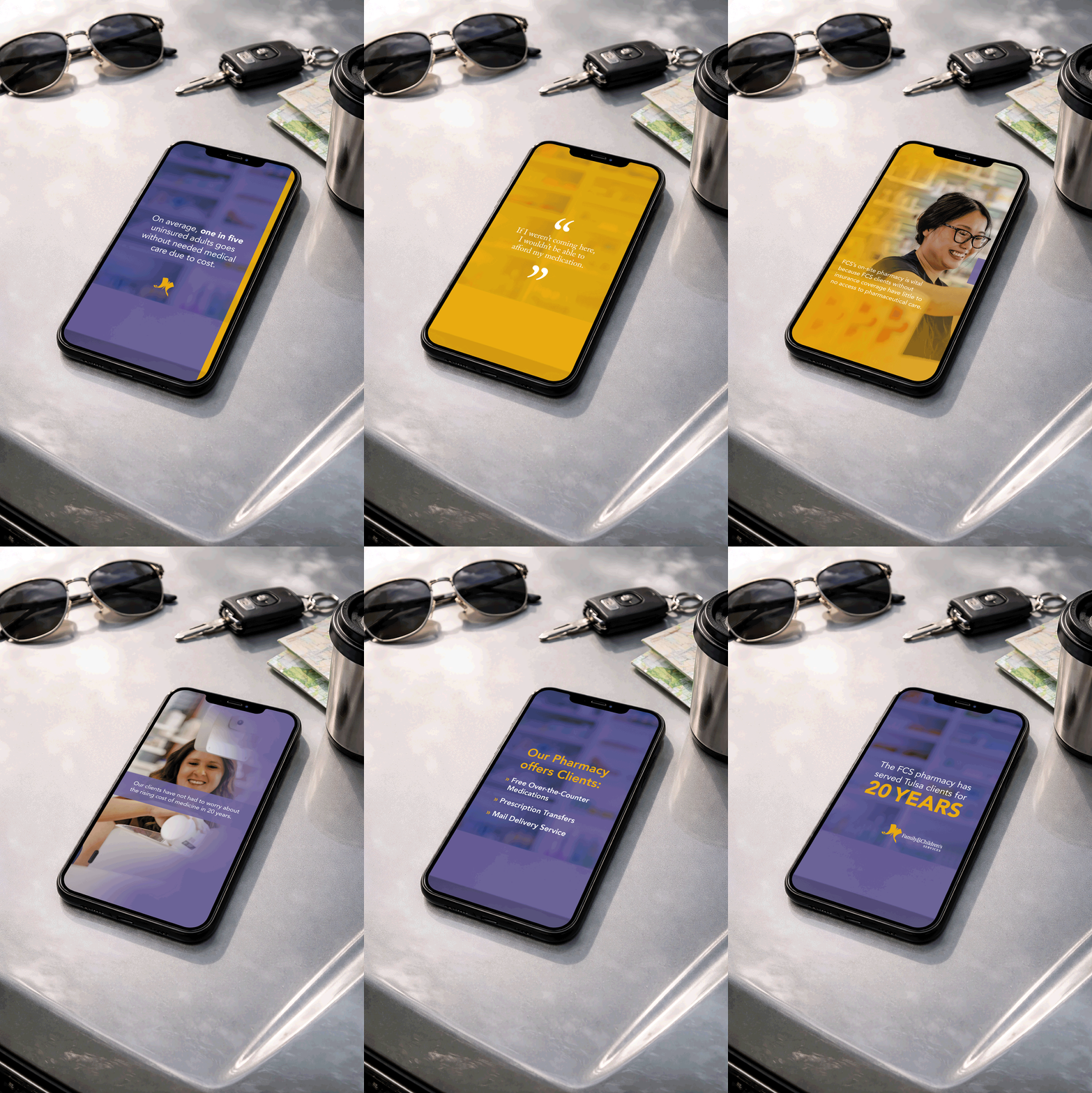
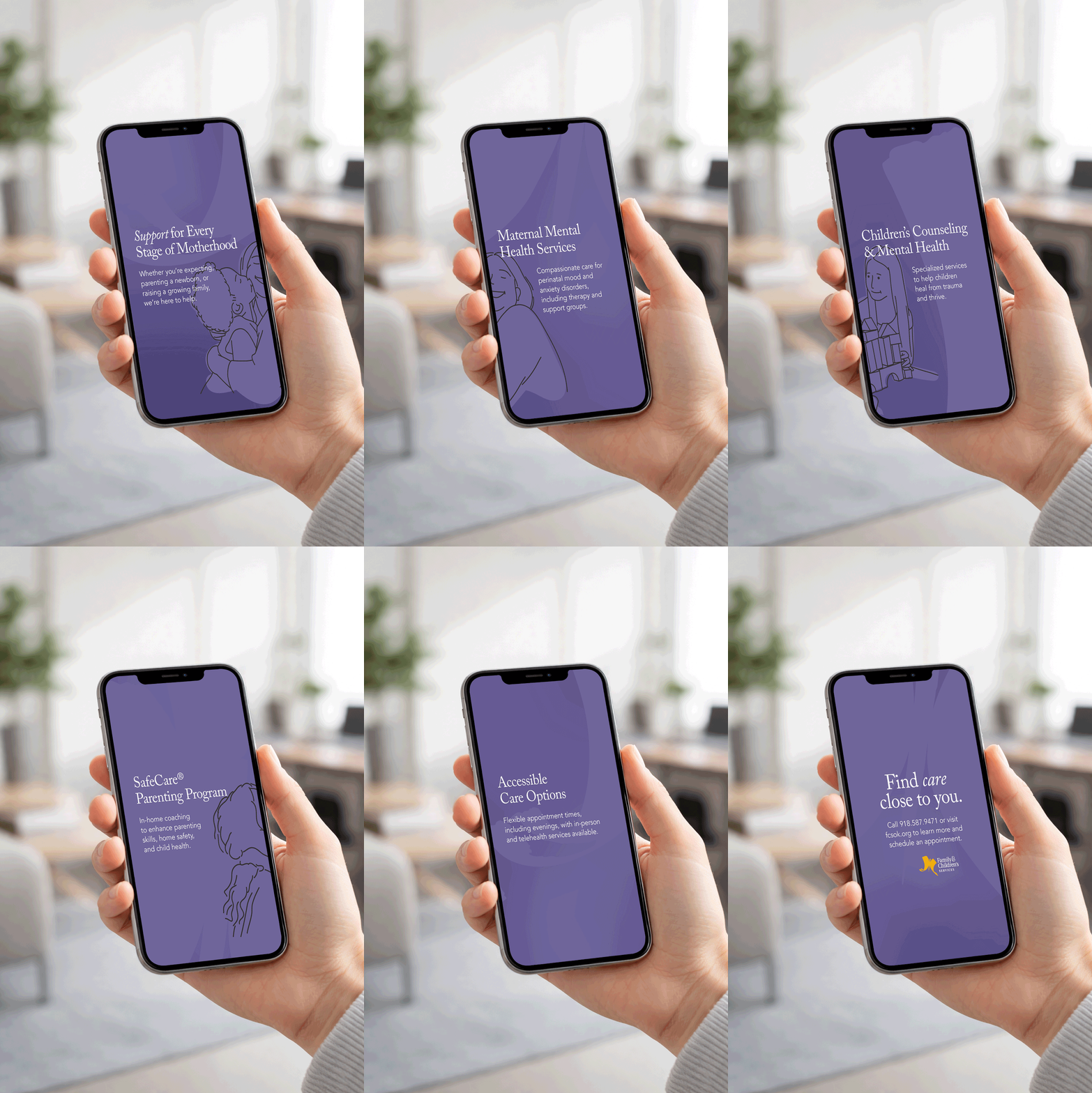
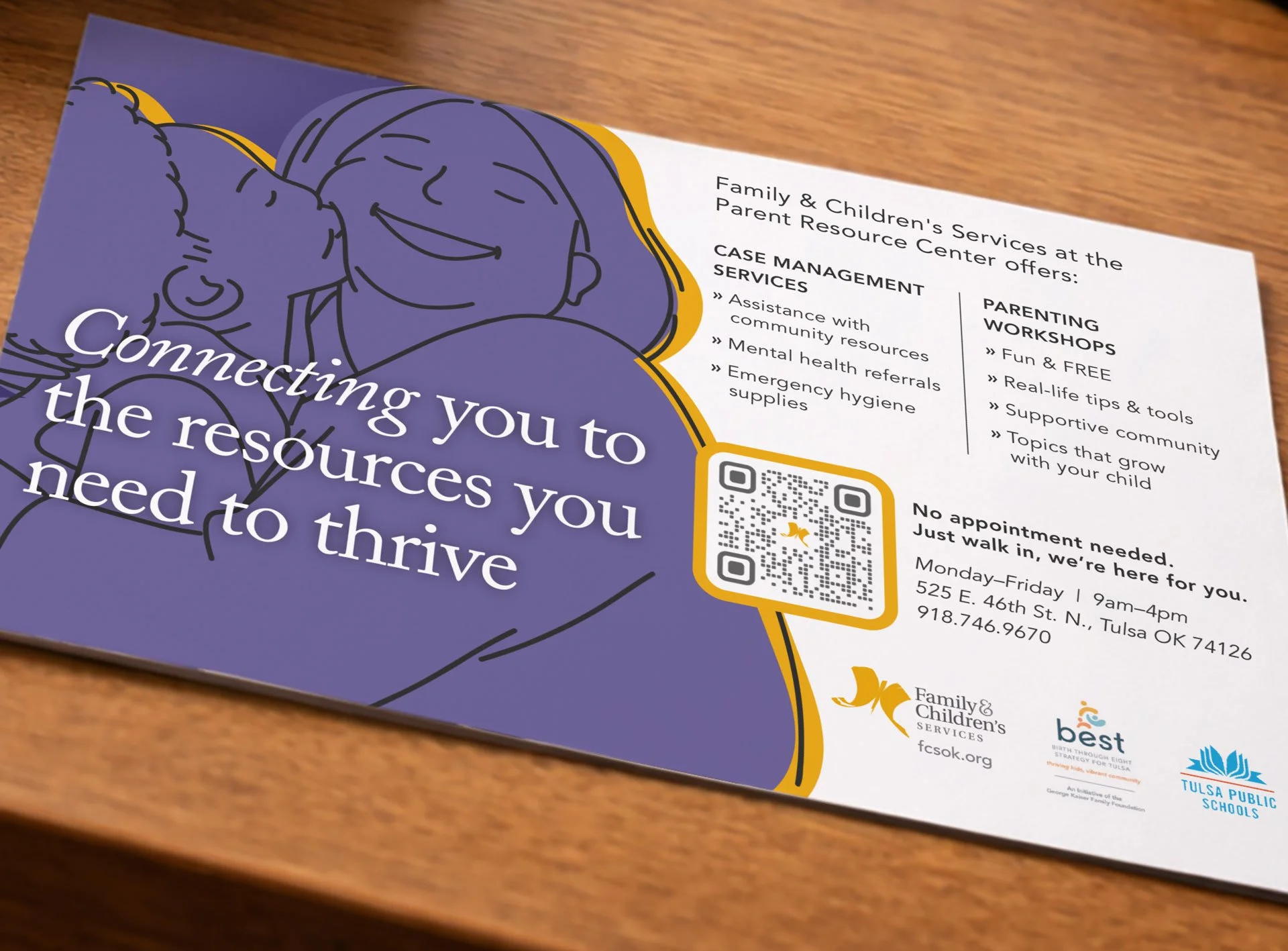
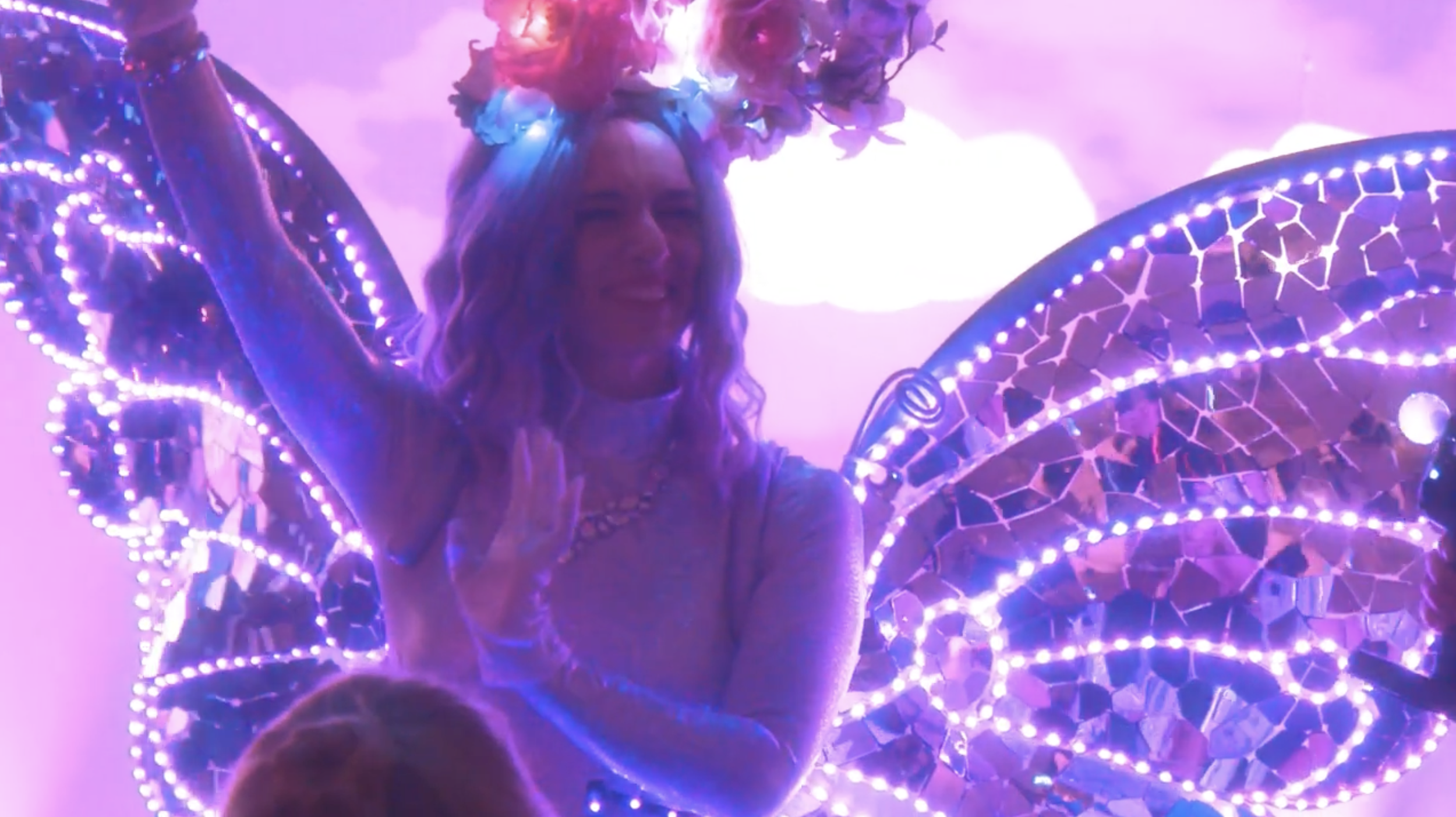
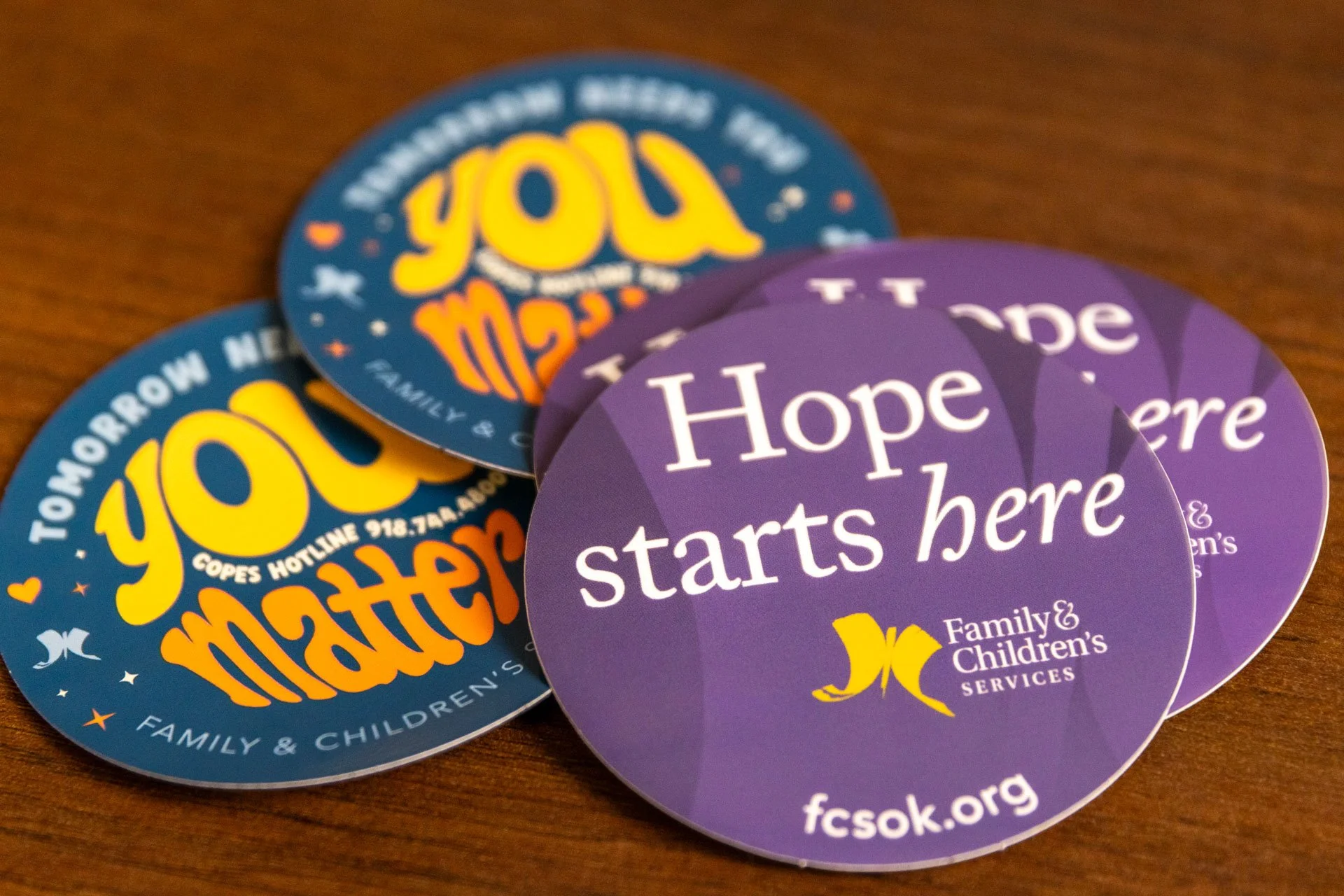
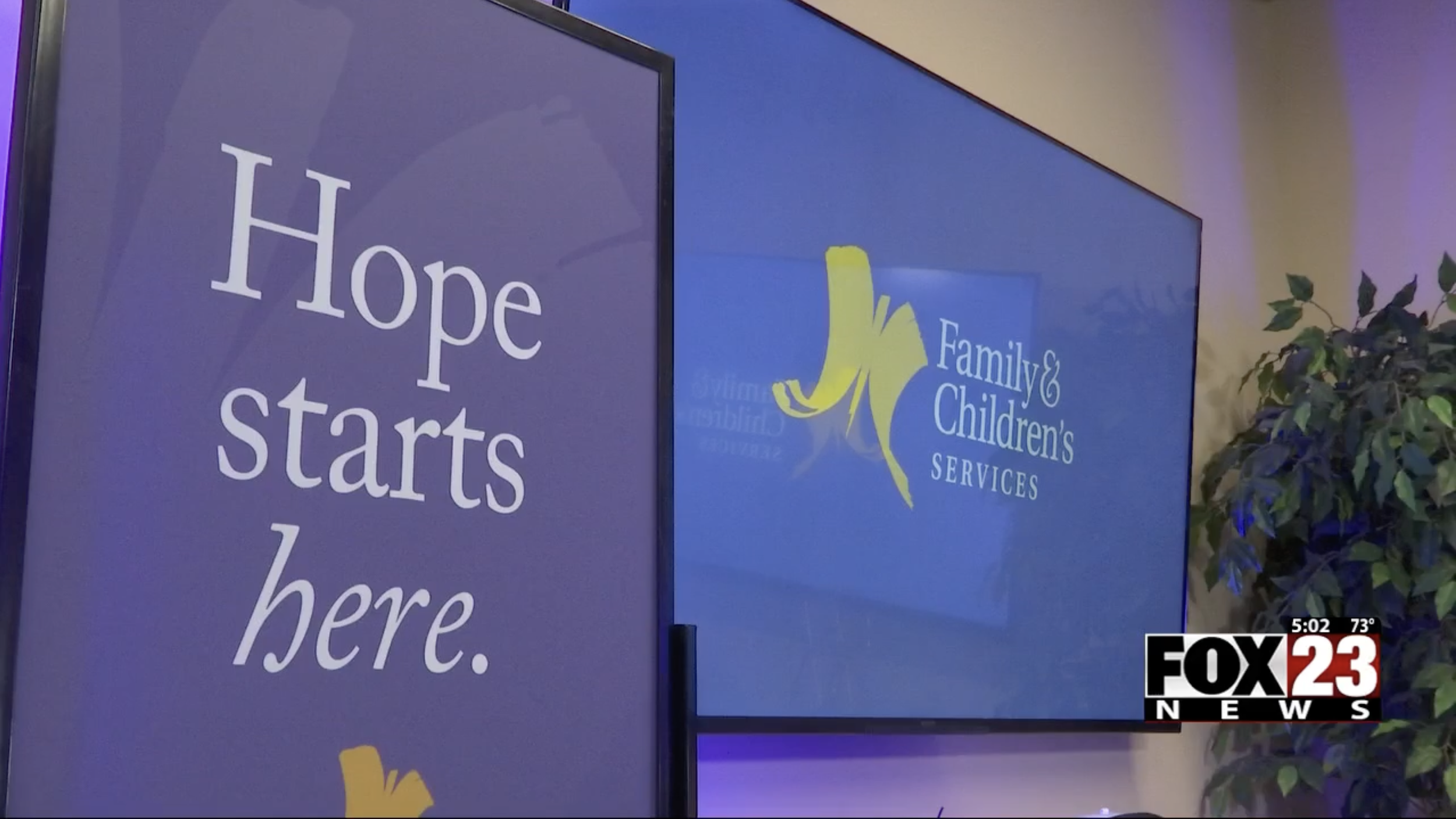
So I started small. Instead of asking for a rebrand, I evolved what we had. I leaned into the existing purple and gold, elevated the butterfly, and used subtle gradients and custom illustrations to make things feel more organic. It was all about establishing (or reestablishing) FCS’s distinctive brand assets. The goal was to create a shared, distinctive visual language so that the organization could start feeling like one organization again.
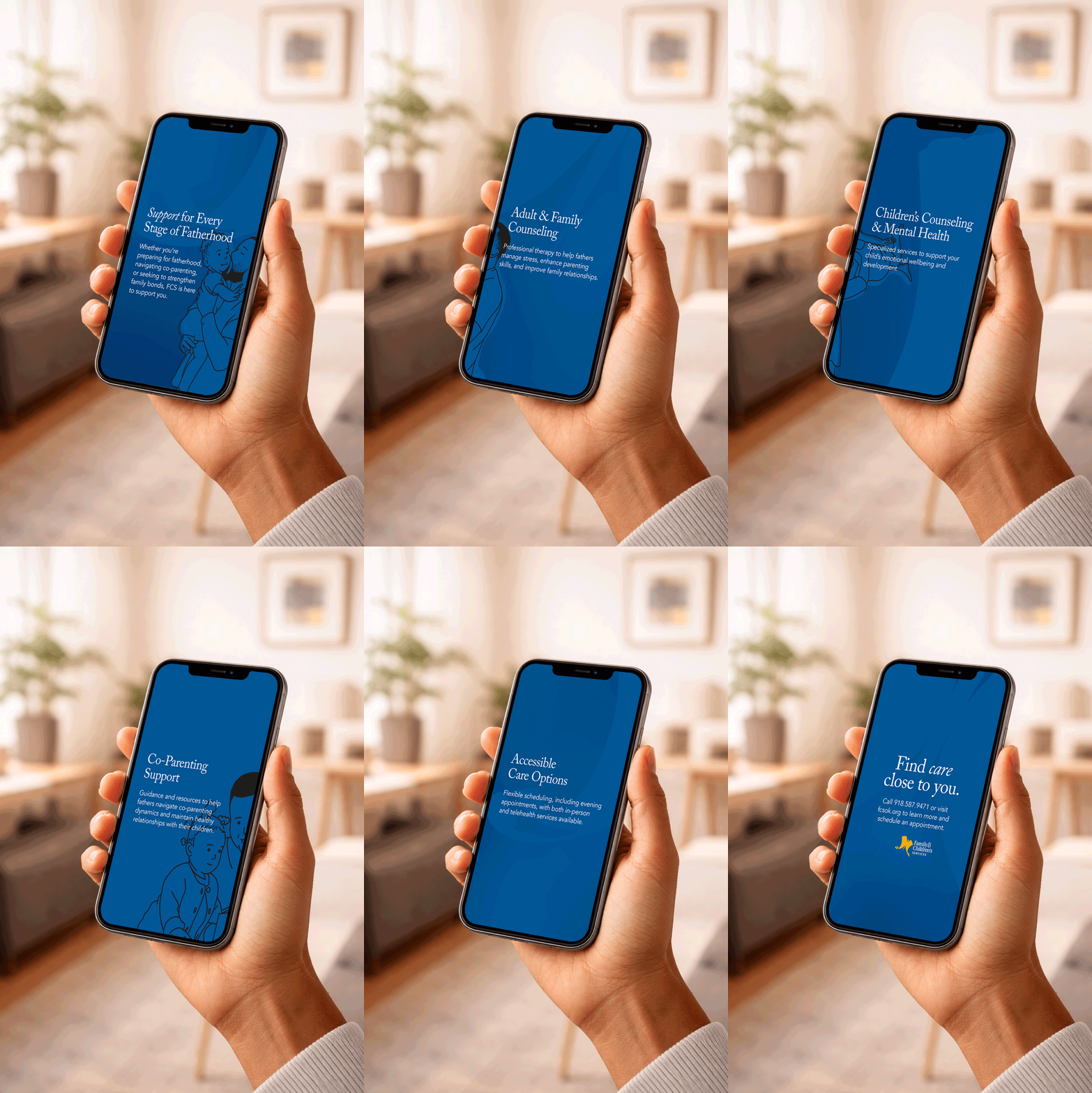
The typography system was softened by reintroducing a classic serif typeface from the brand’s past. The new system of fonts created a visual vibe that is distinctive from the competition. A more human, grounded feel.
The new system wasn’t rolled out through memos or guidelines. It just started showing up. First in design, then in social, then everywhere else. Eventually, people started asking for that look.
That’s how culture shifts. Through proof.
It’s still early, but the work feels different now. More cohesive, more intentional, and closer to something people can be proud of. The real progress isn’t just in the visuals. It’s in the slow collective realization that everything is brand.
Building a content studio that works as hard as the mission
Everything is brand. Every video, every piece of content, every moment of storytelling influences how people perceive us.
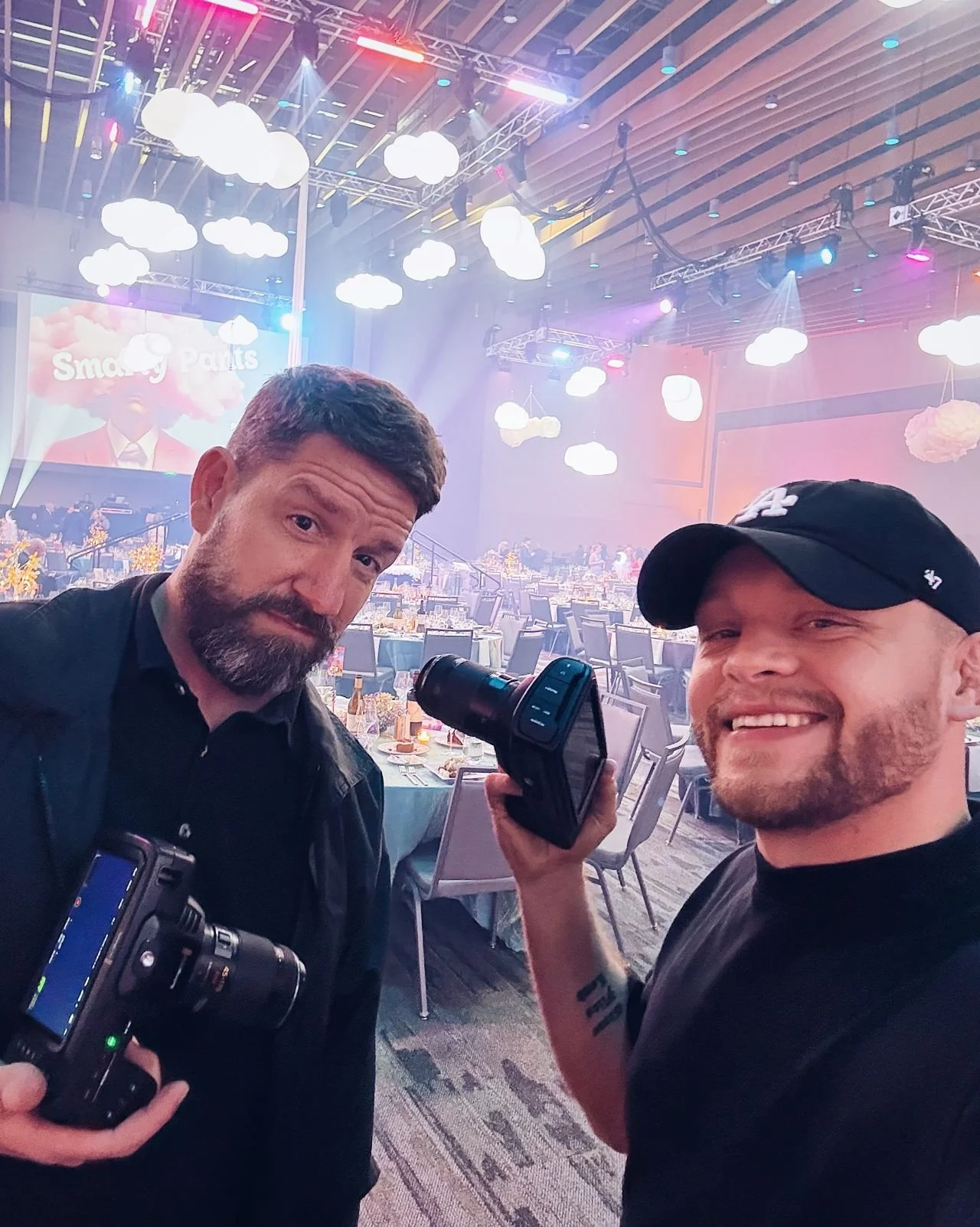
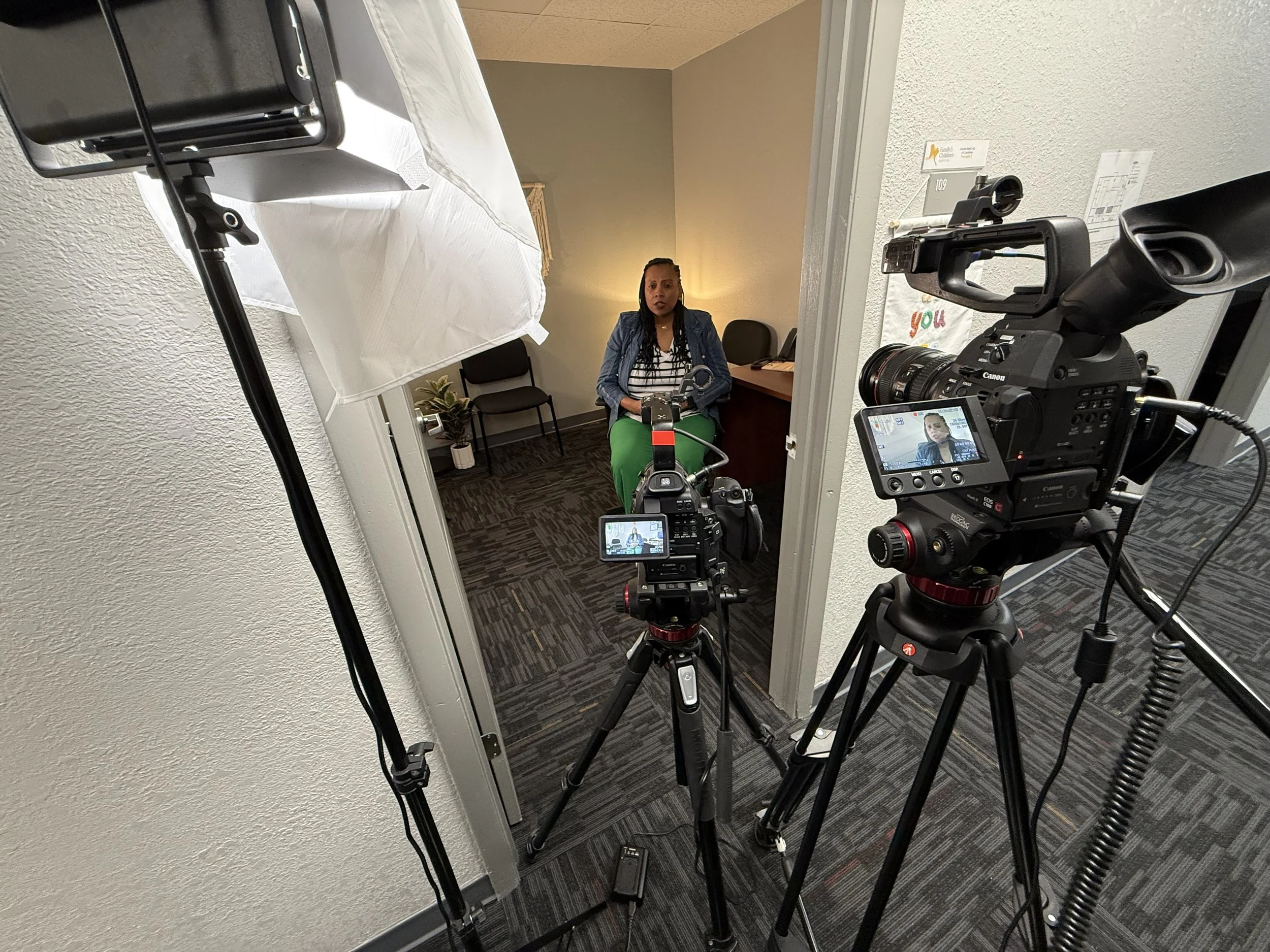
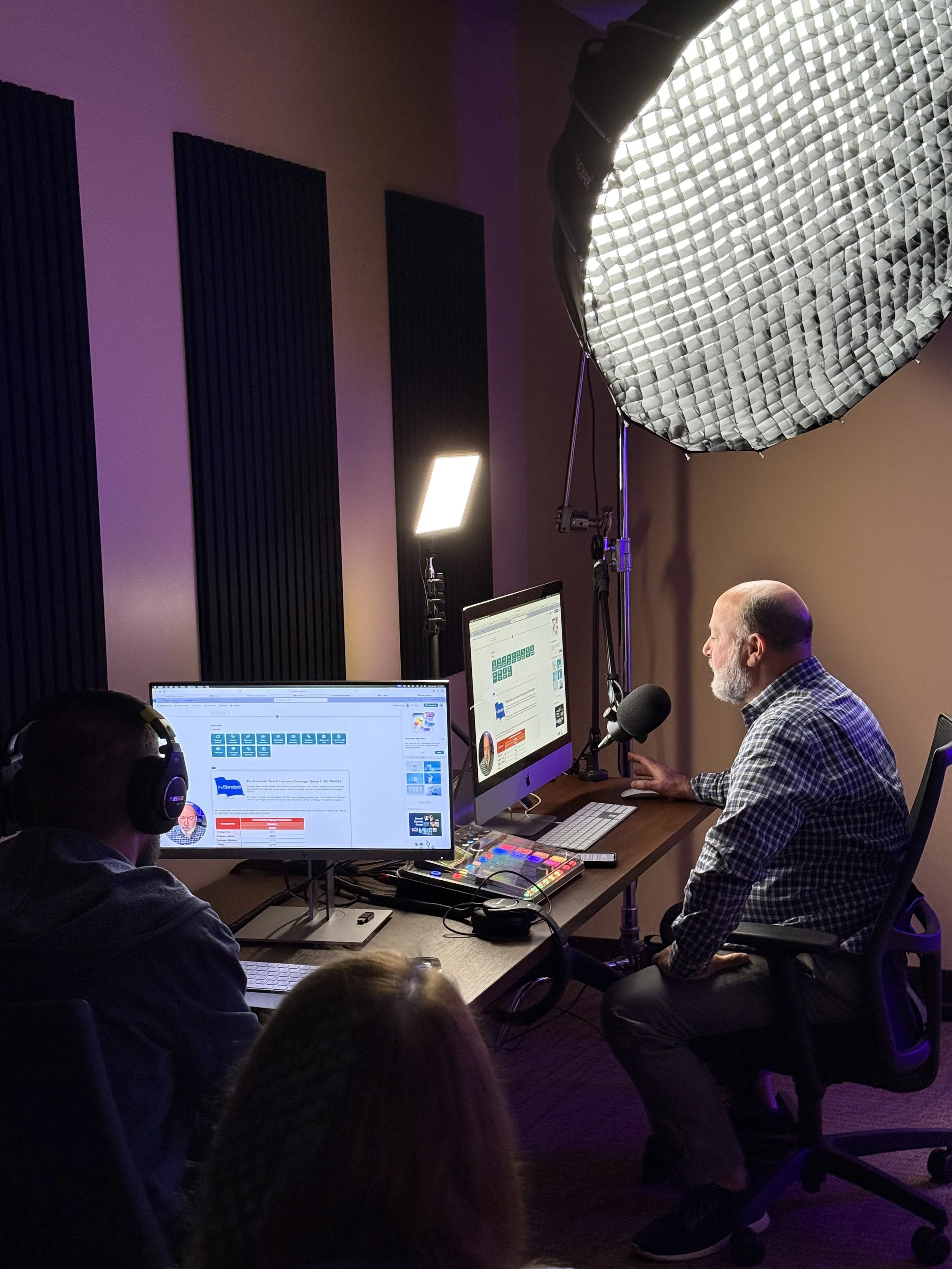
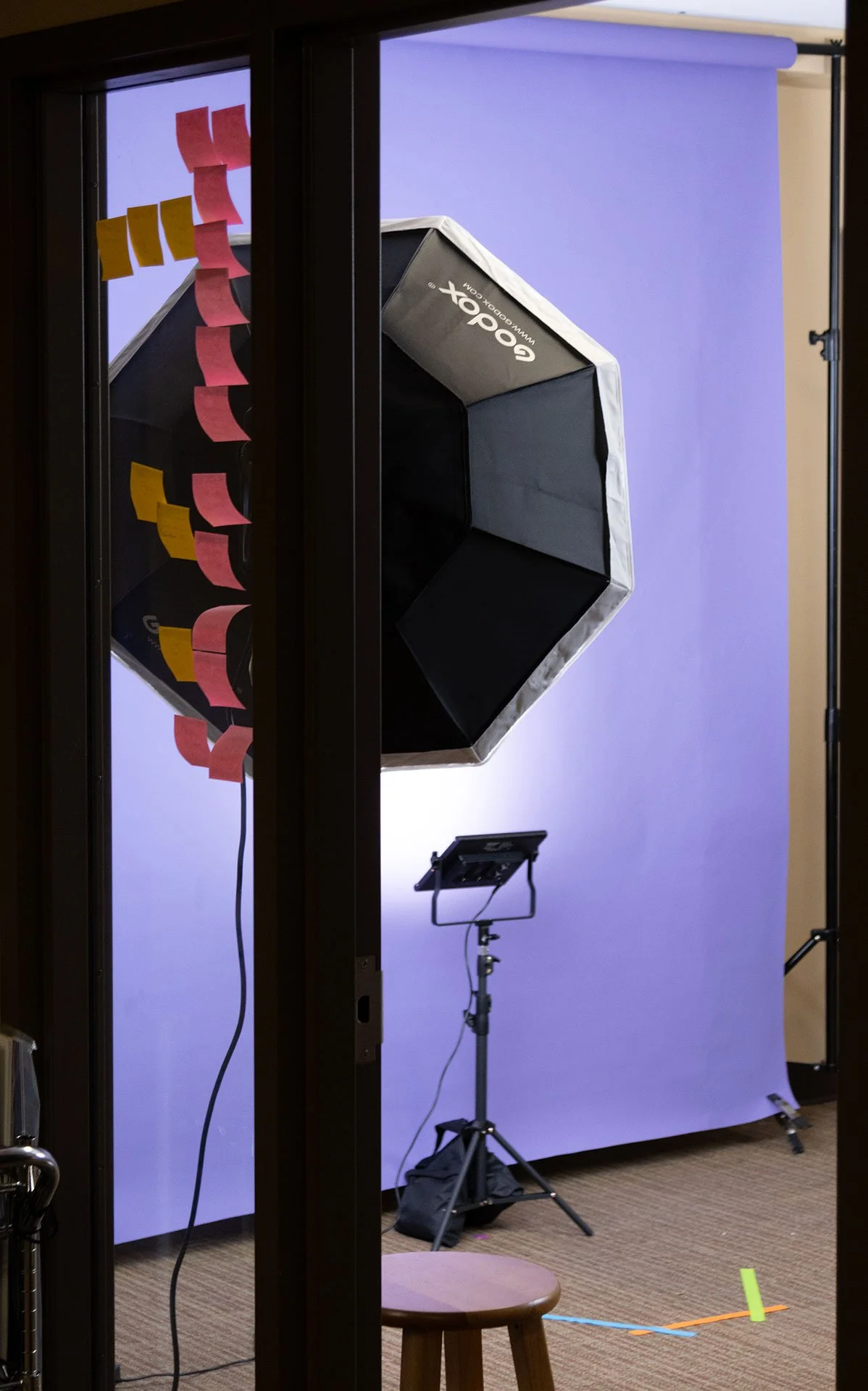
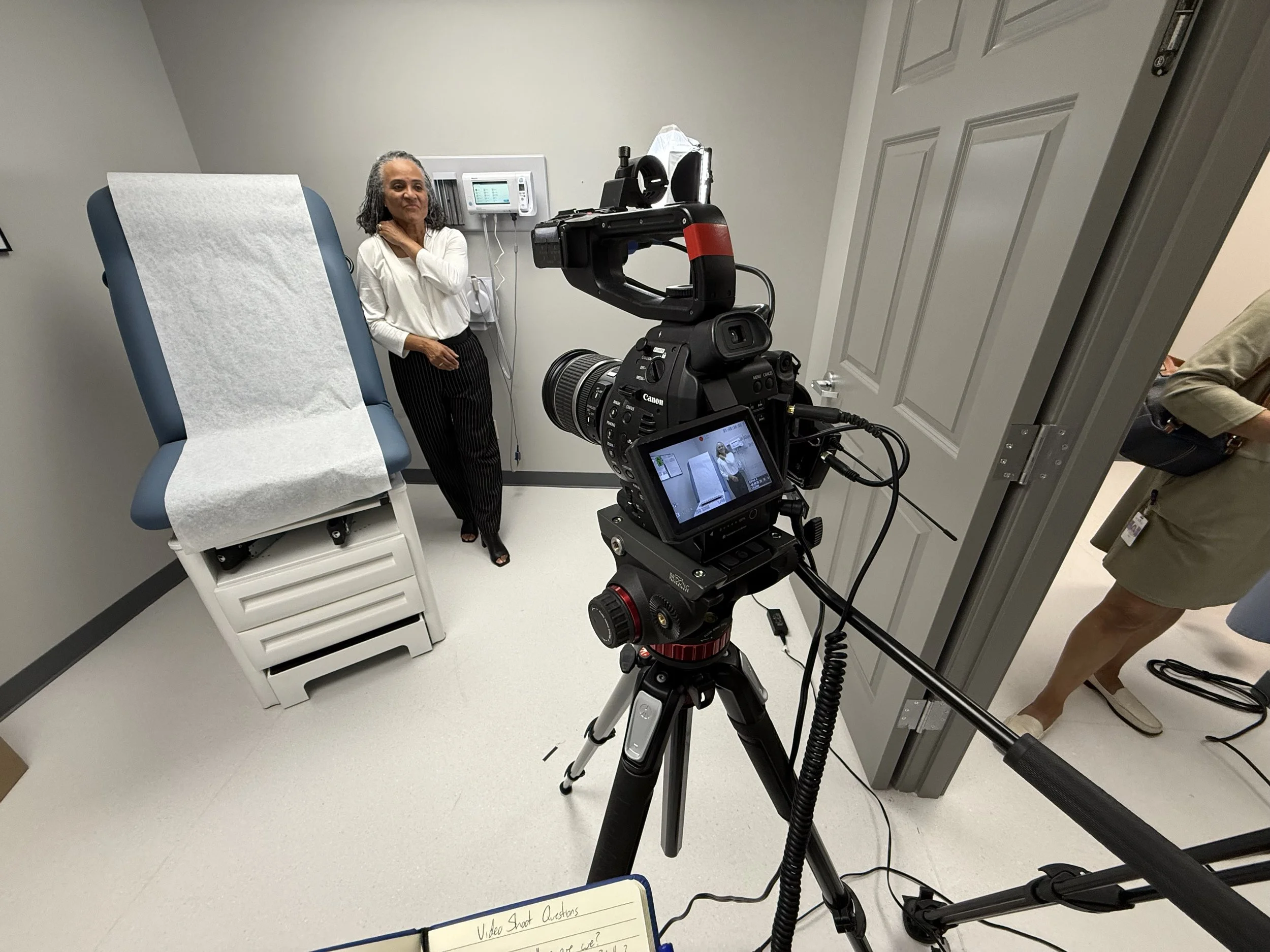
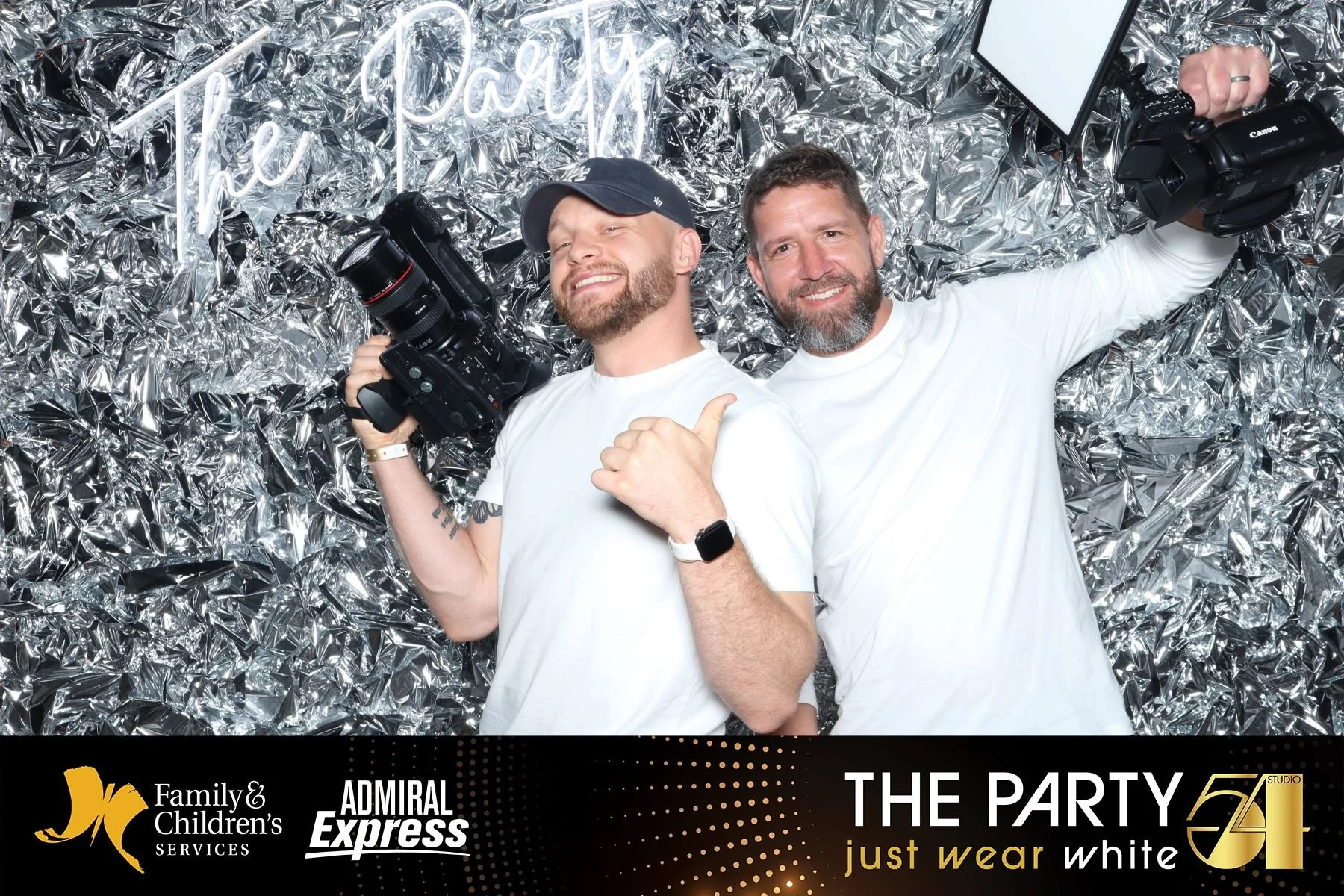
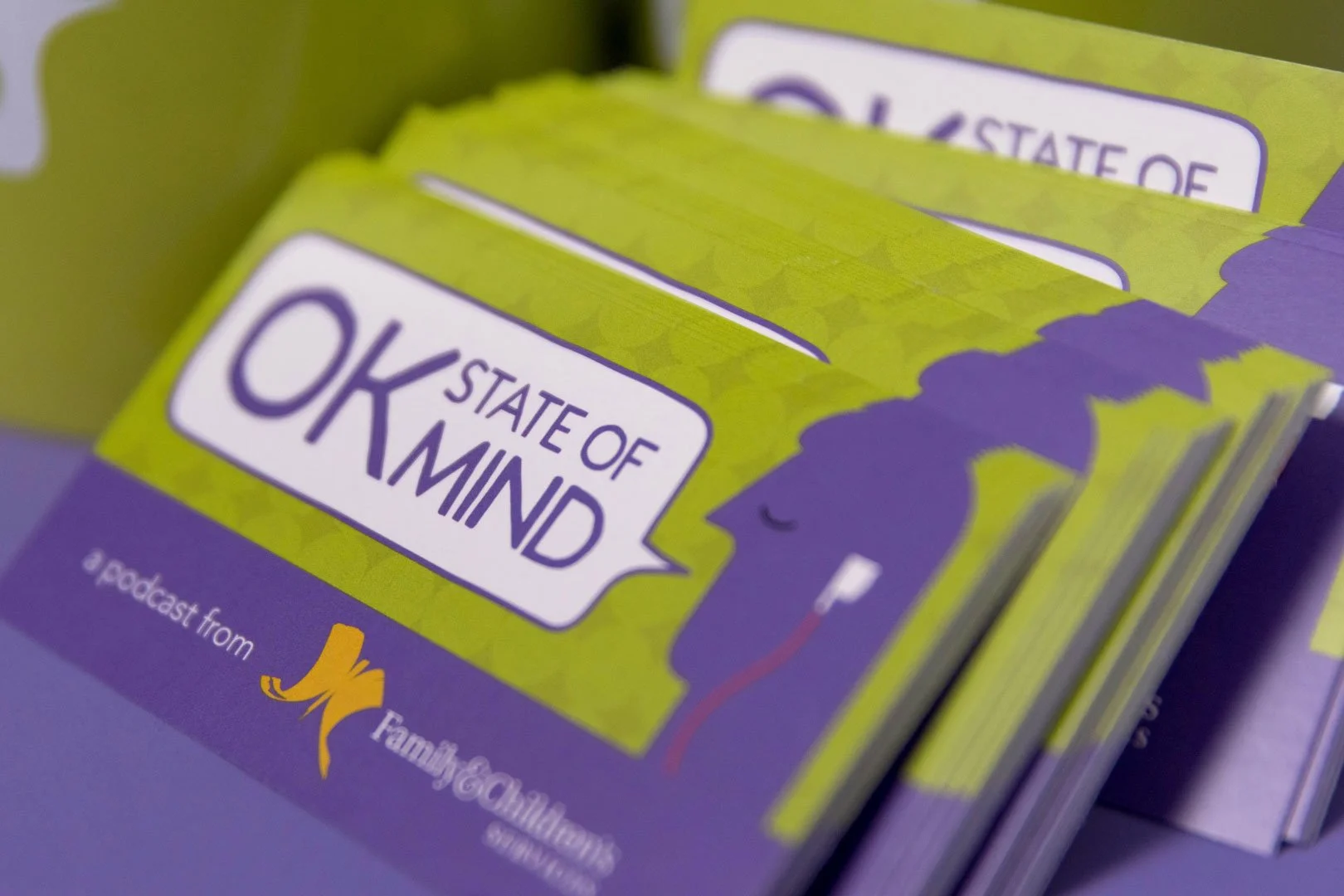
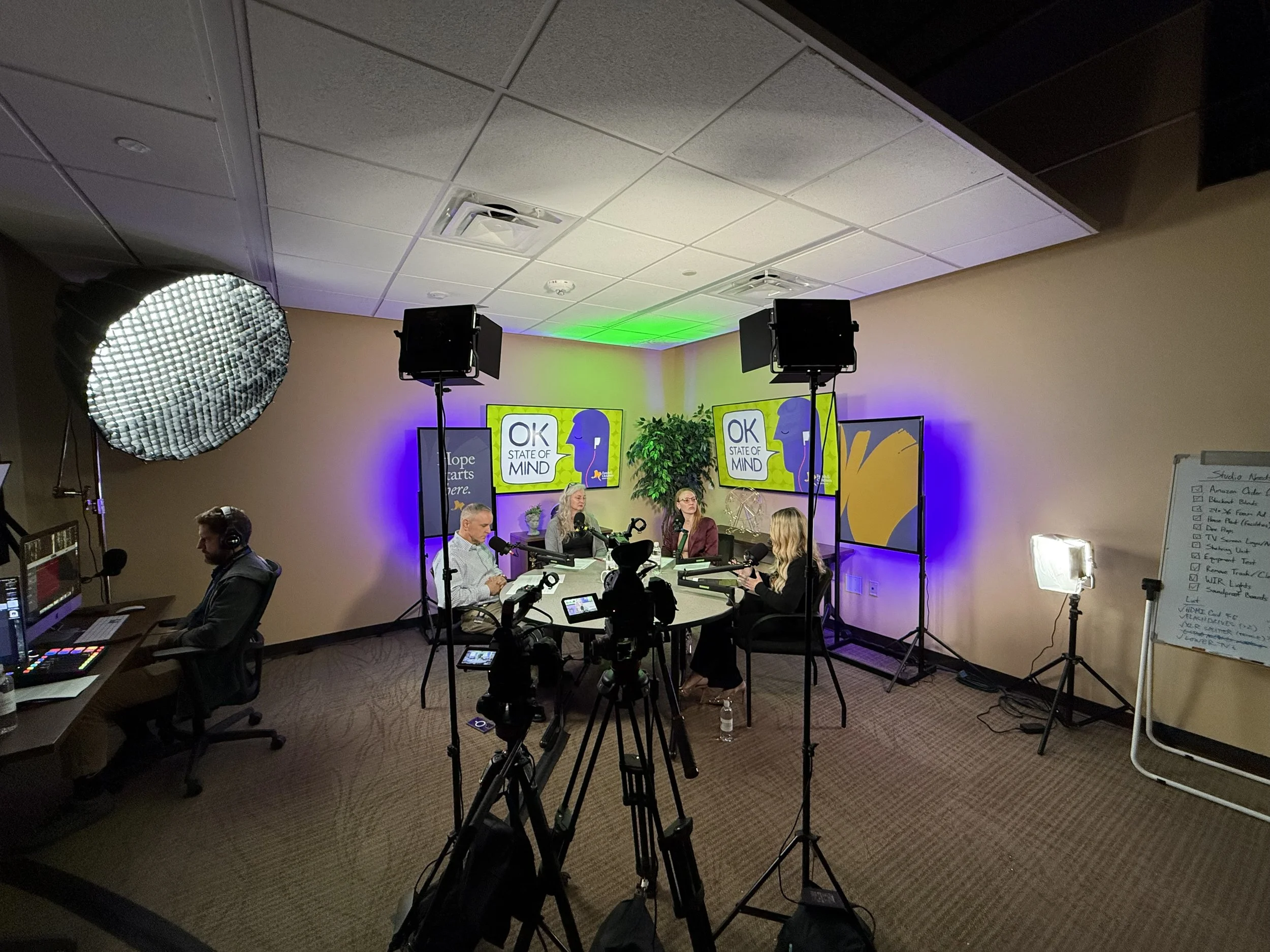
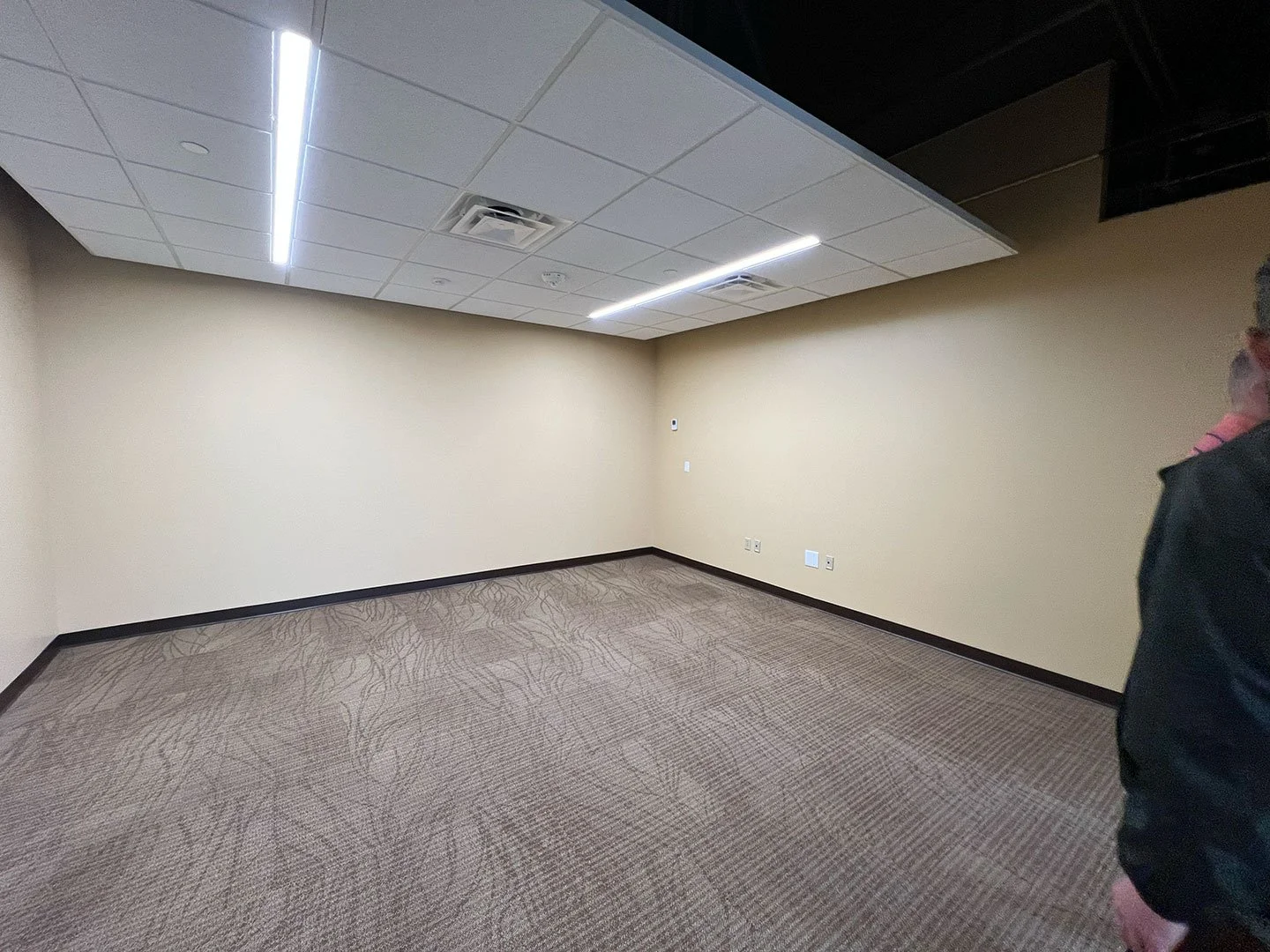
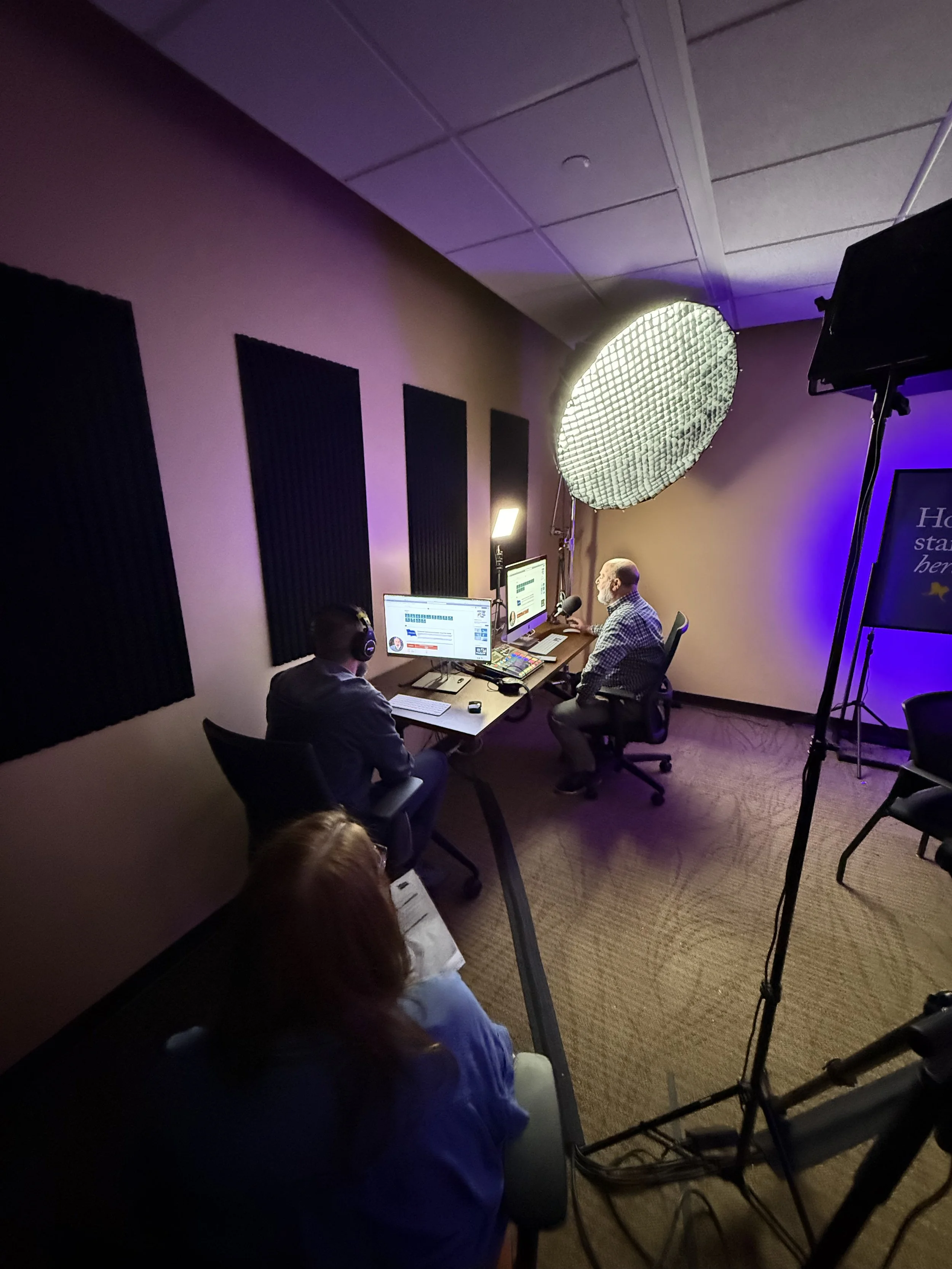
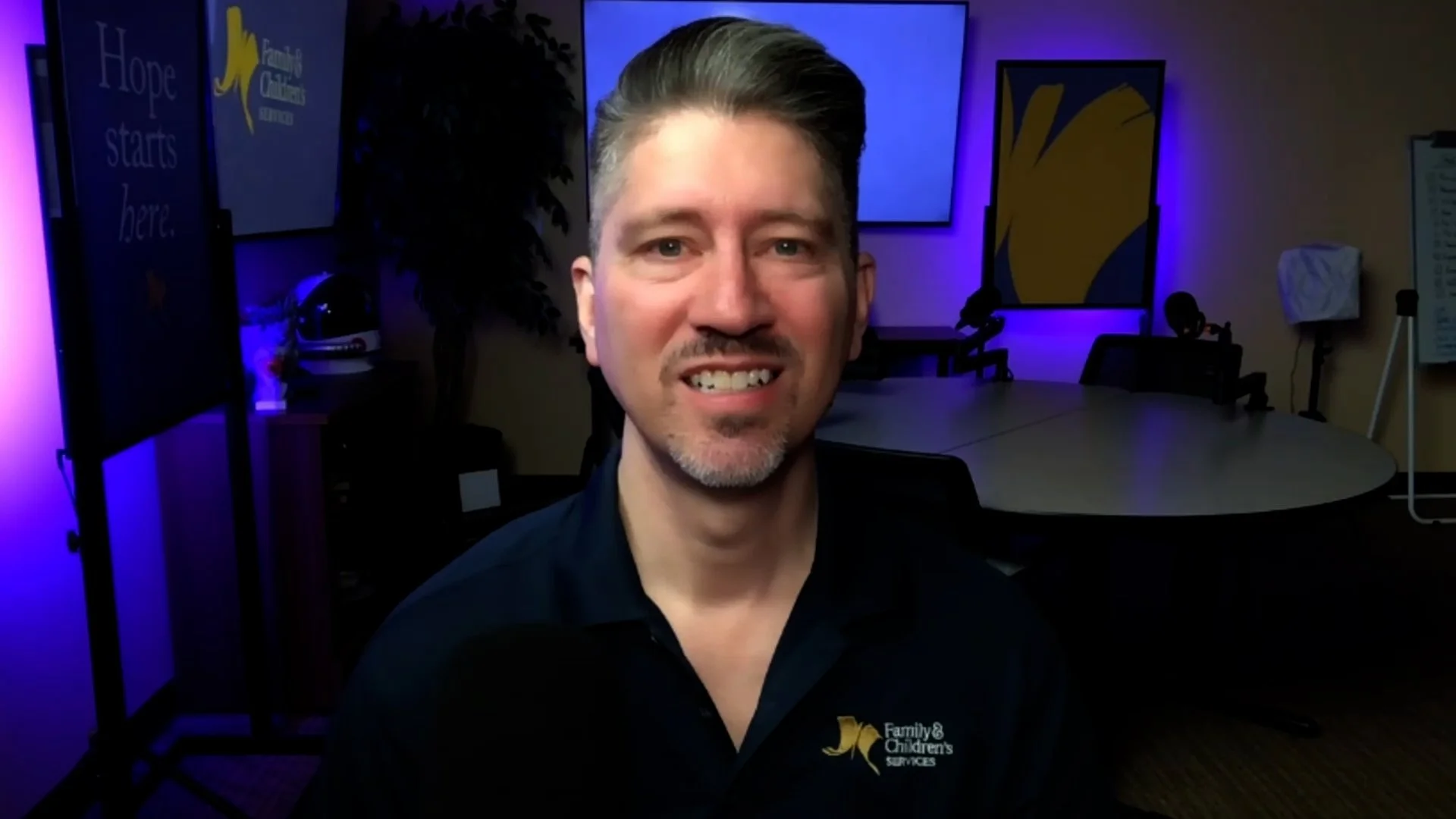
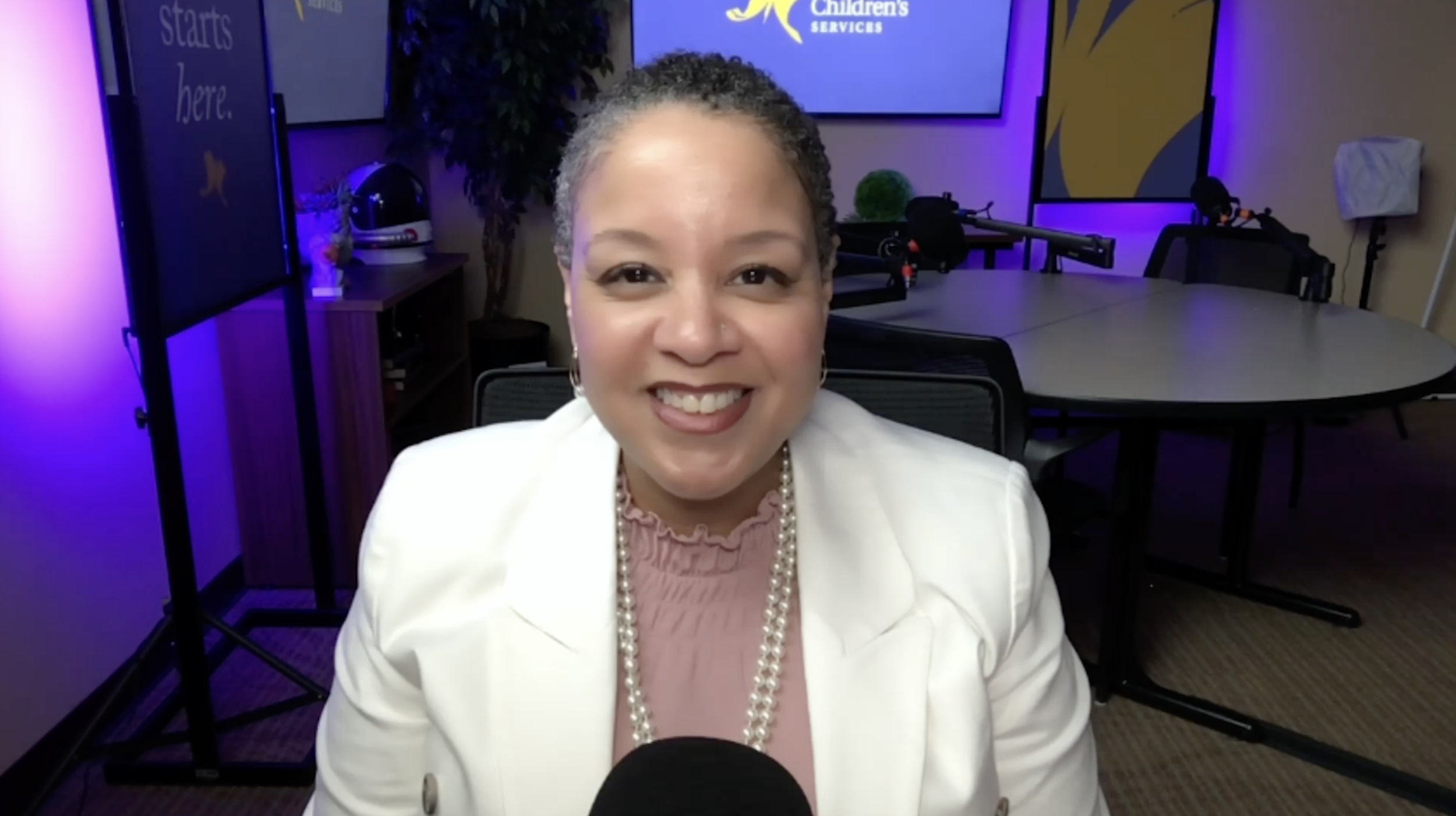
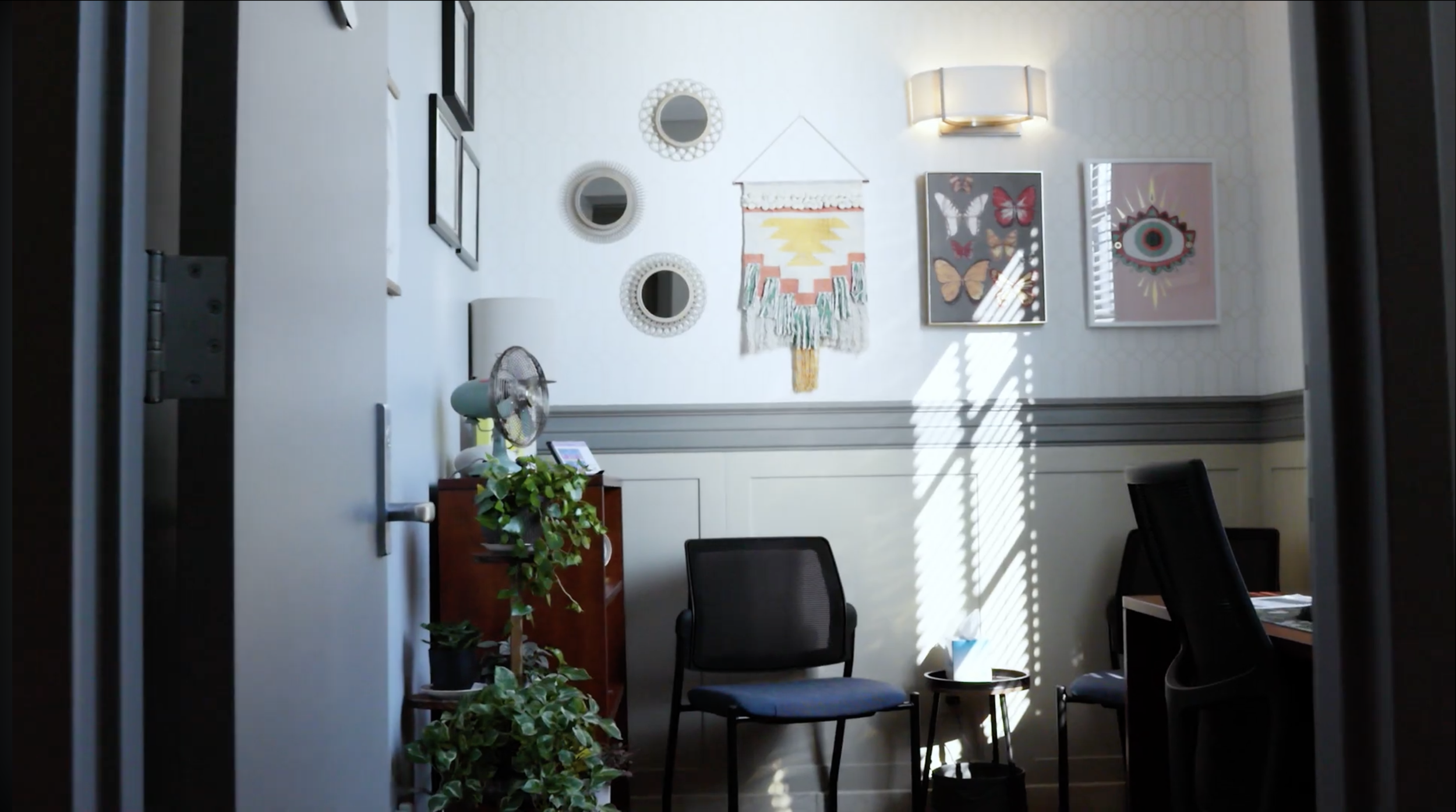
FCS had a few ad hoc audio and video projects, but no cohesive way to capture or share expertise across the organization. So we built a small, flexible studio. A consistent content engine that could capture expertise, turn it into shareable content, and amplify the organization’s story across channels.
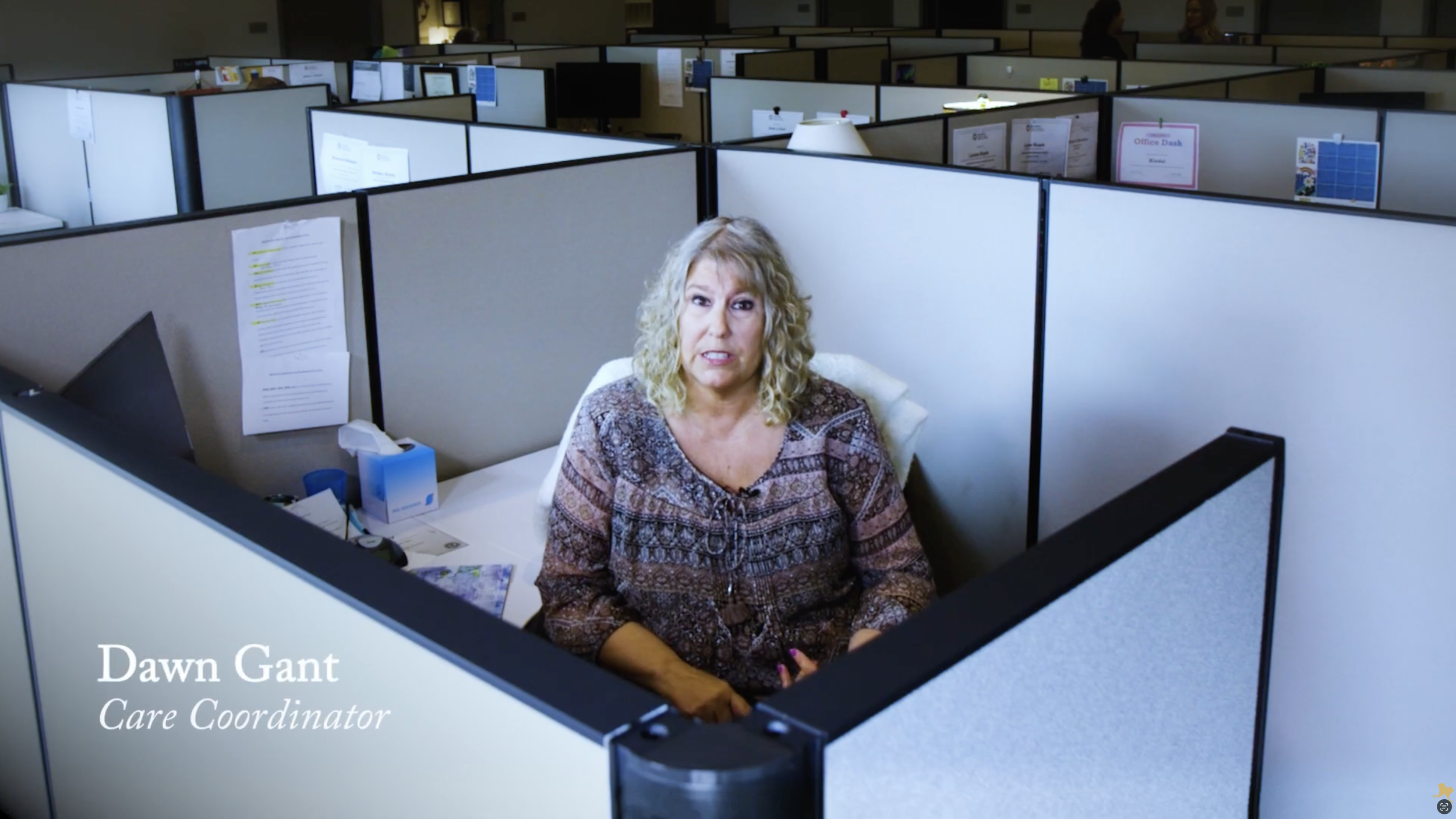
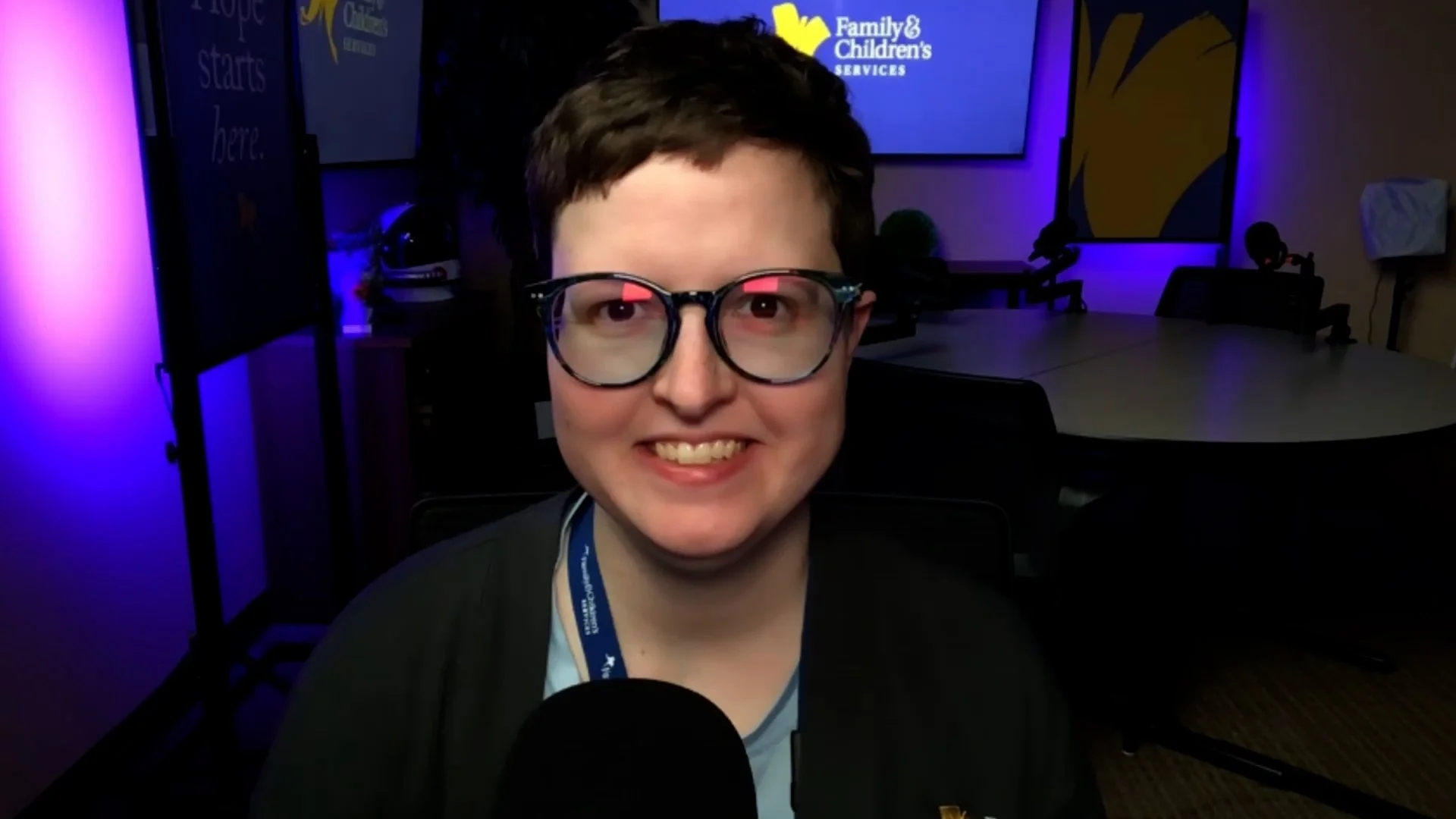
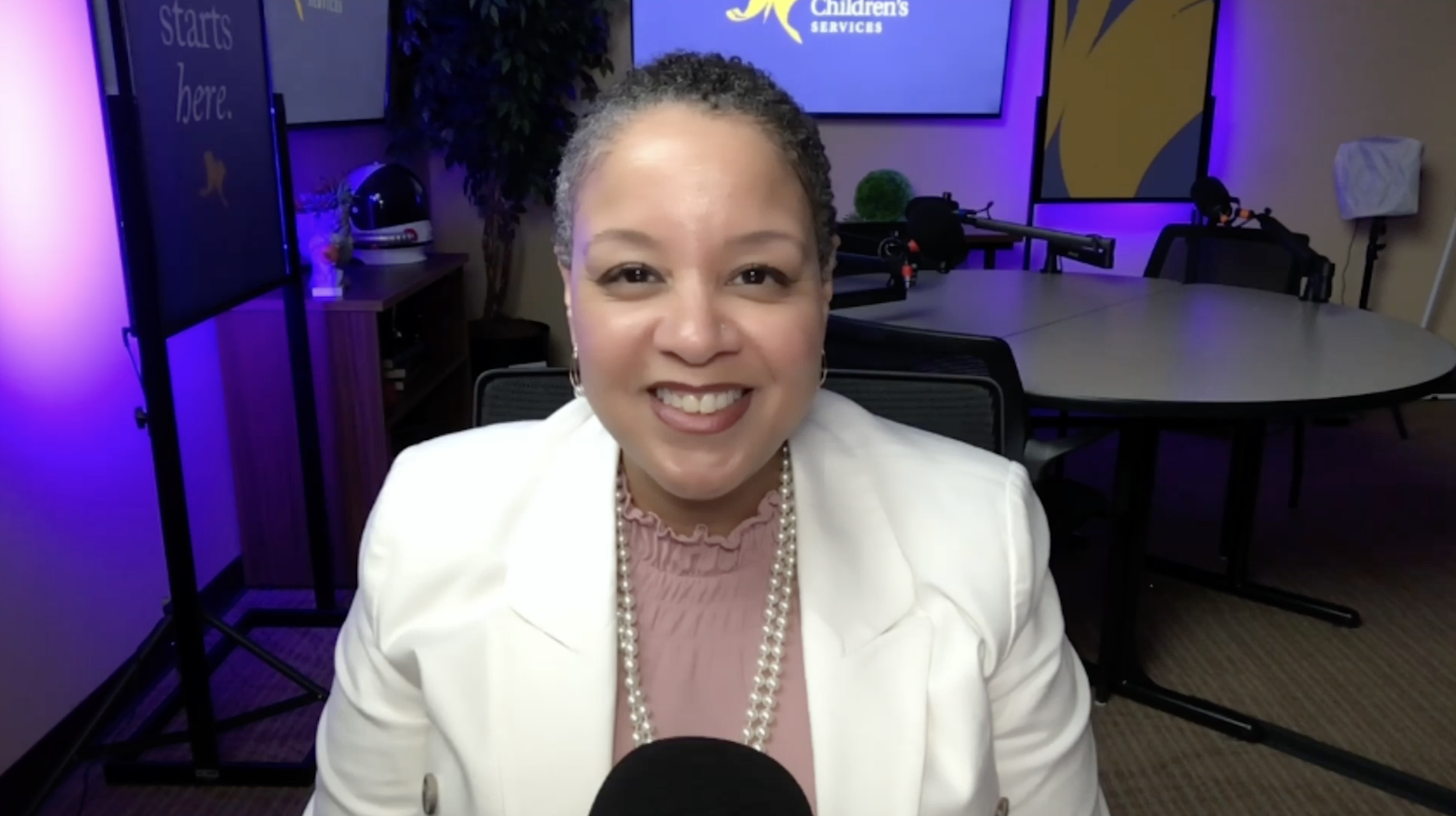
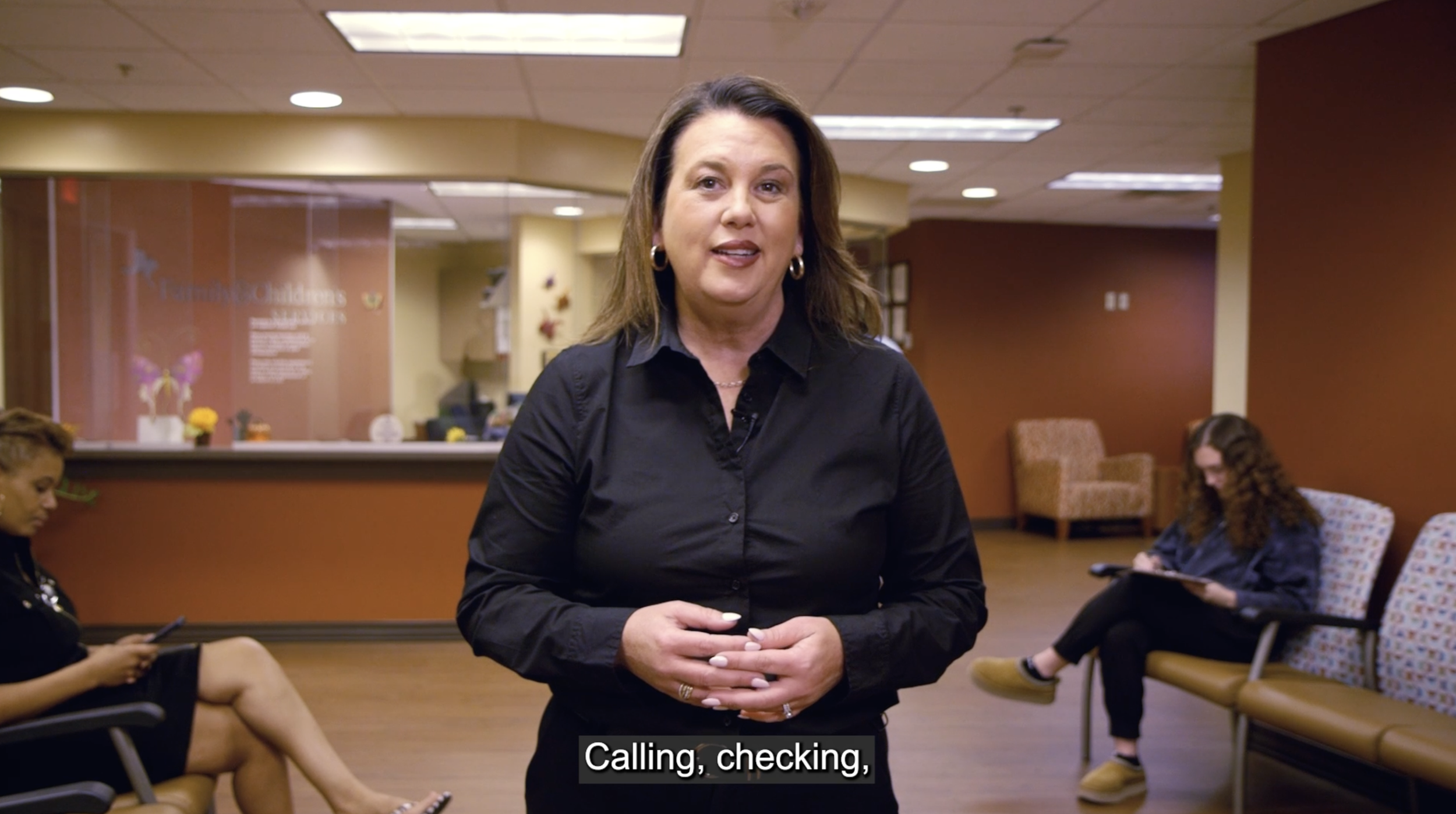
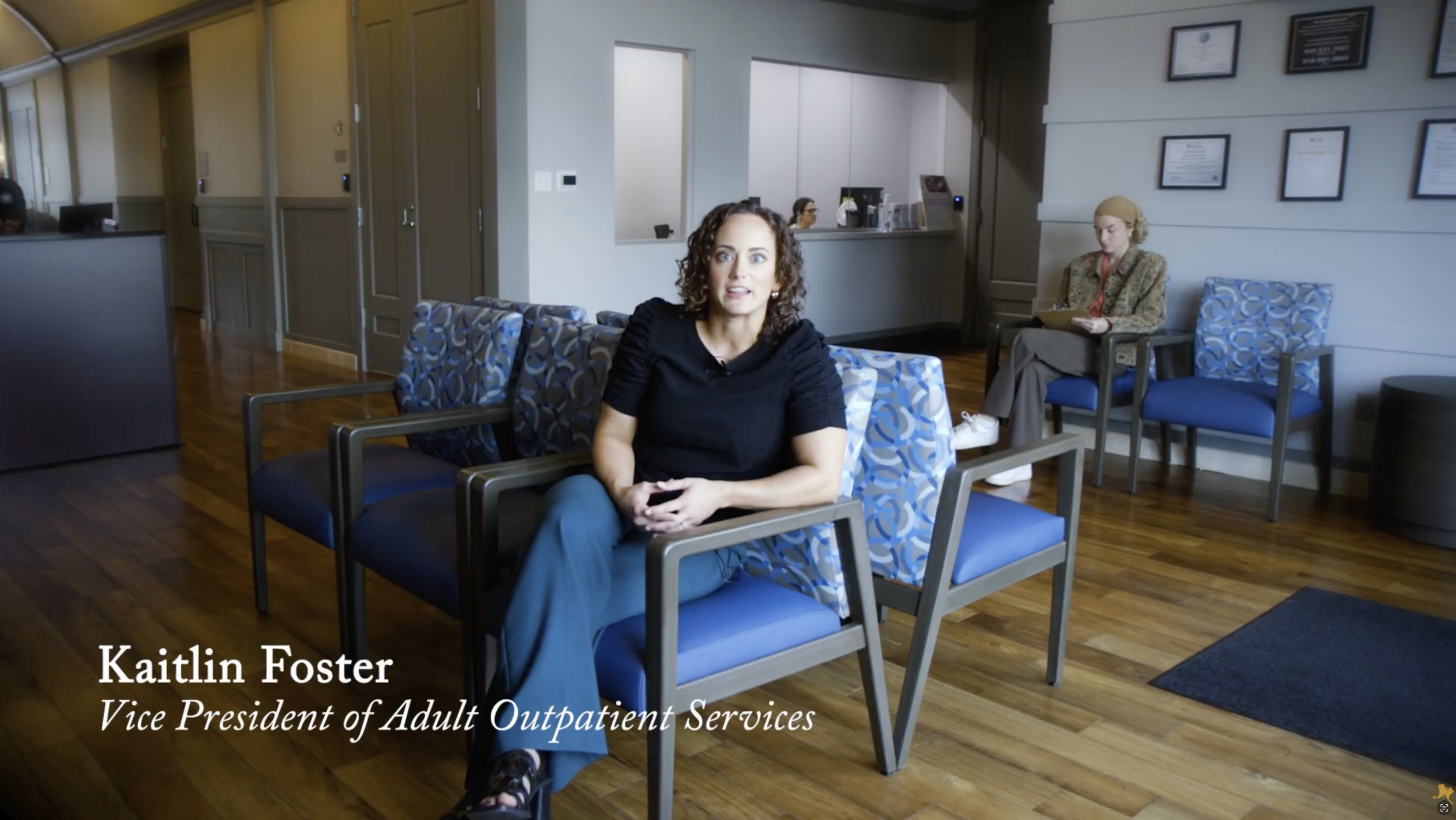
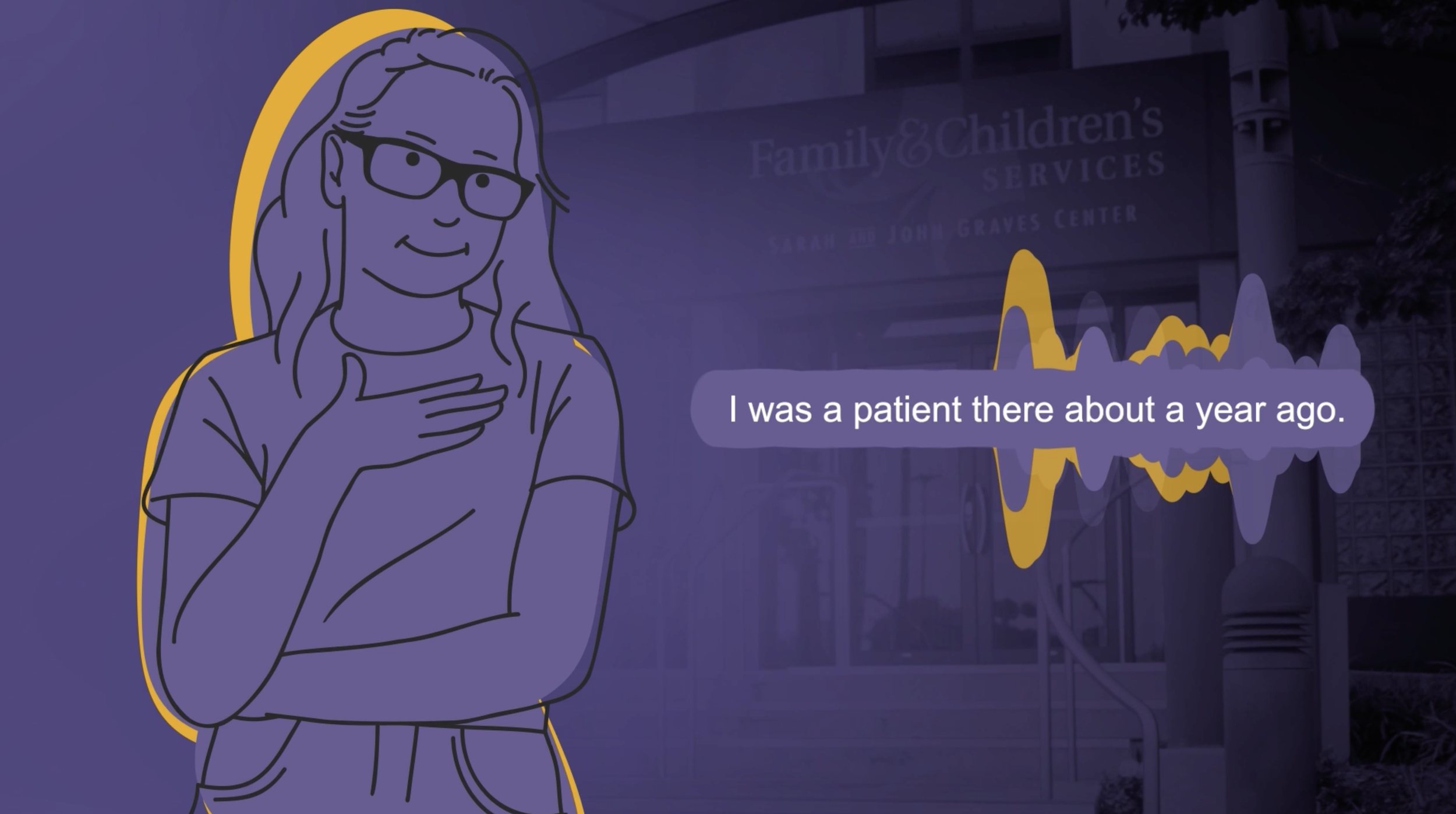
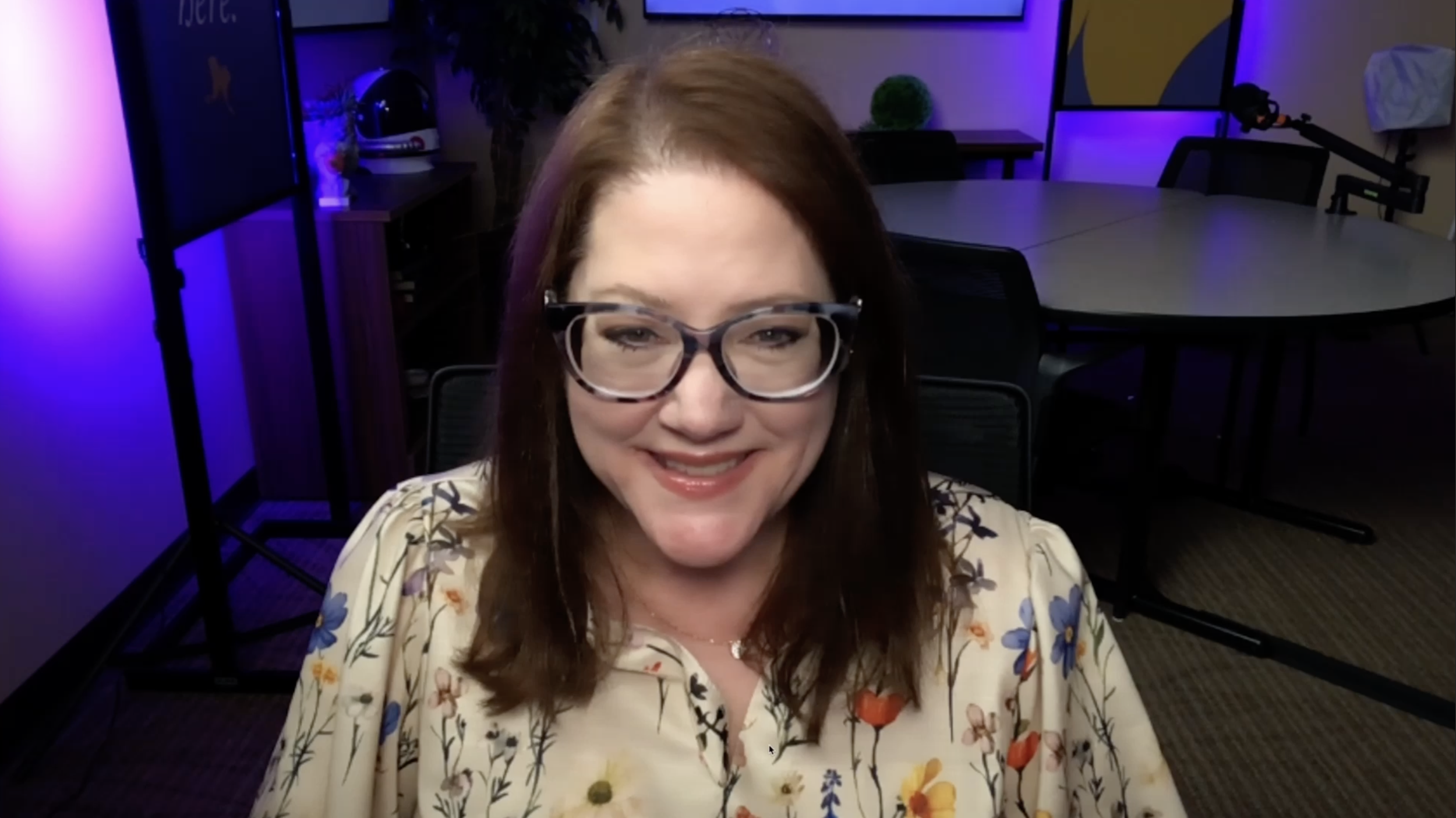
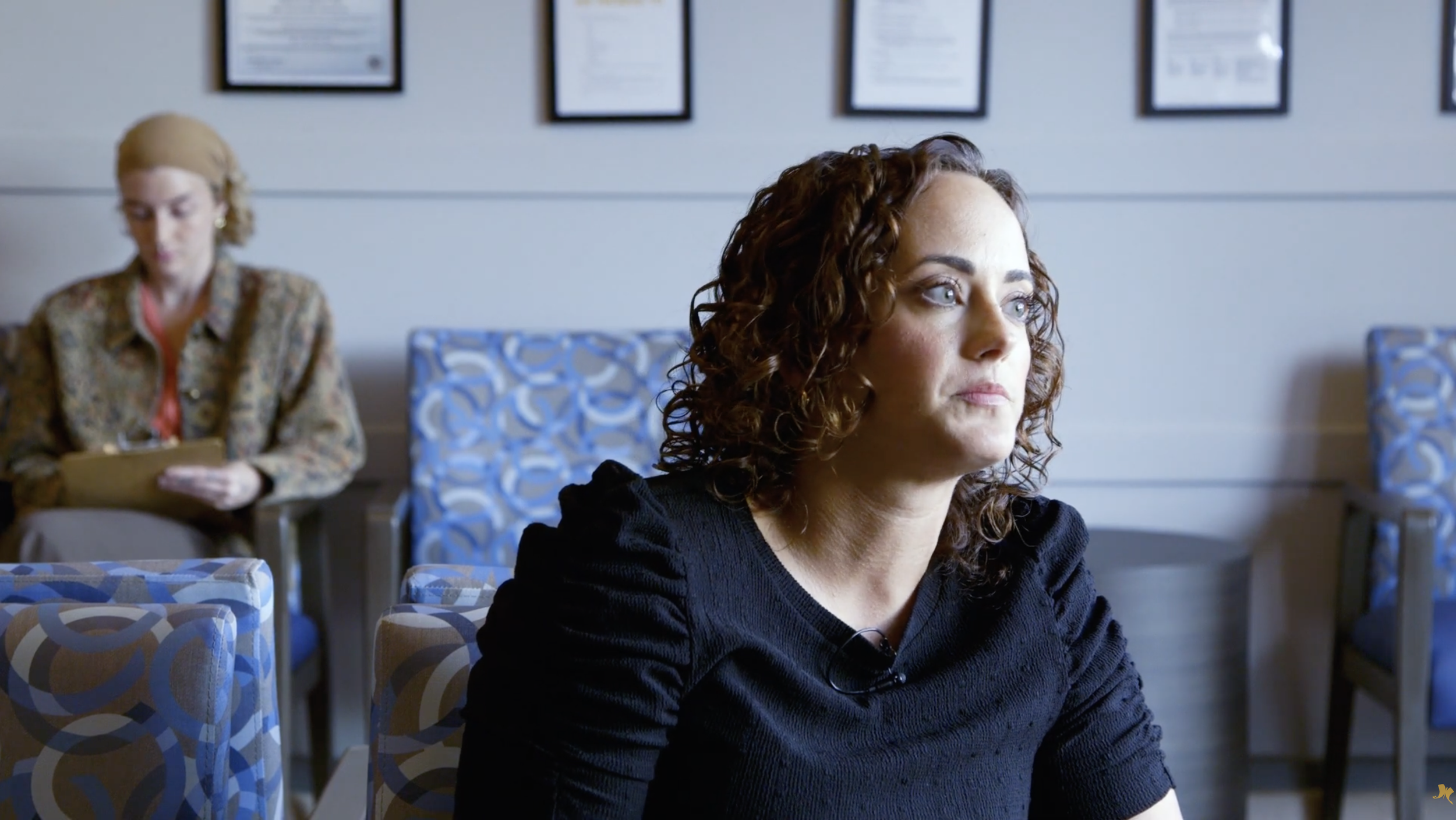
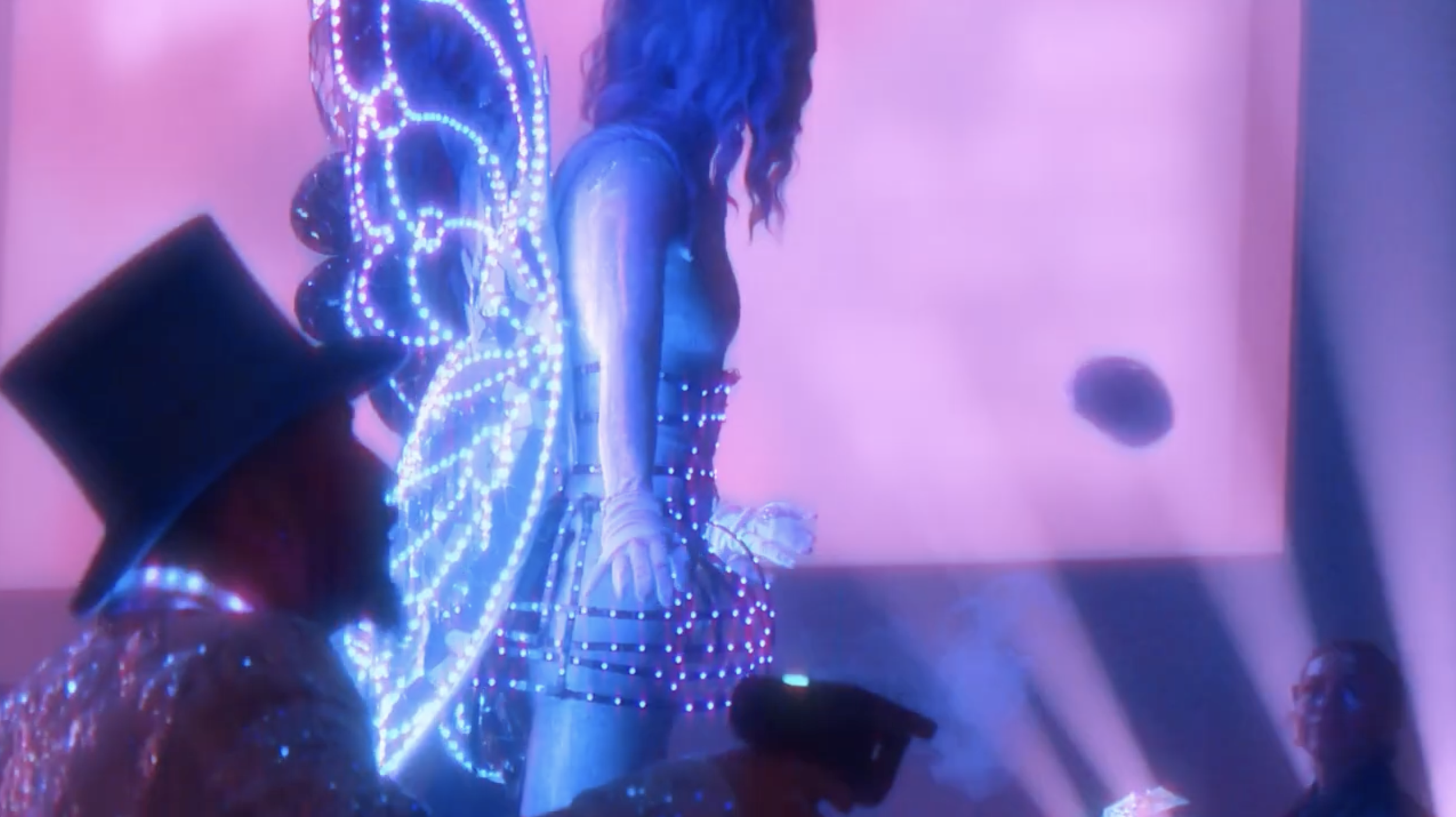
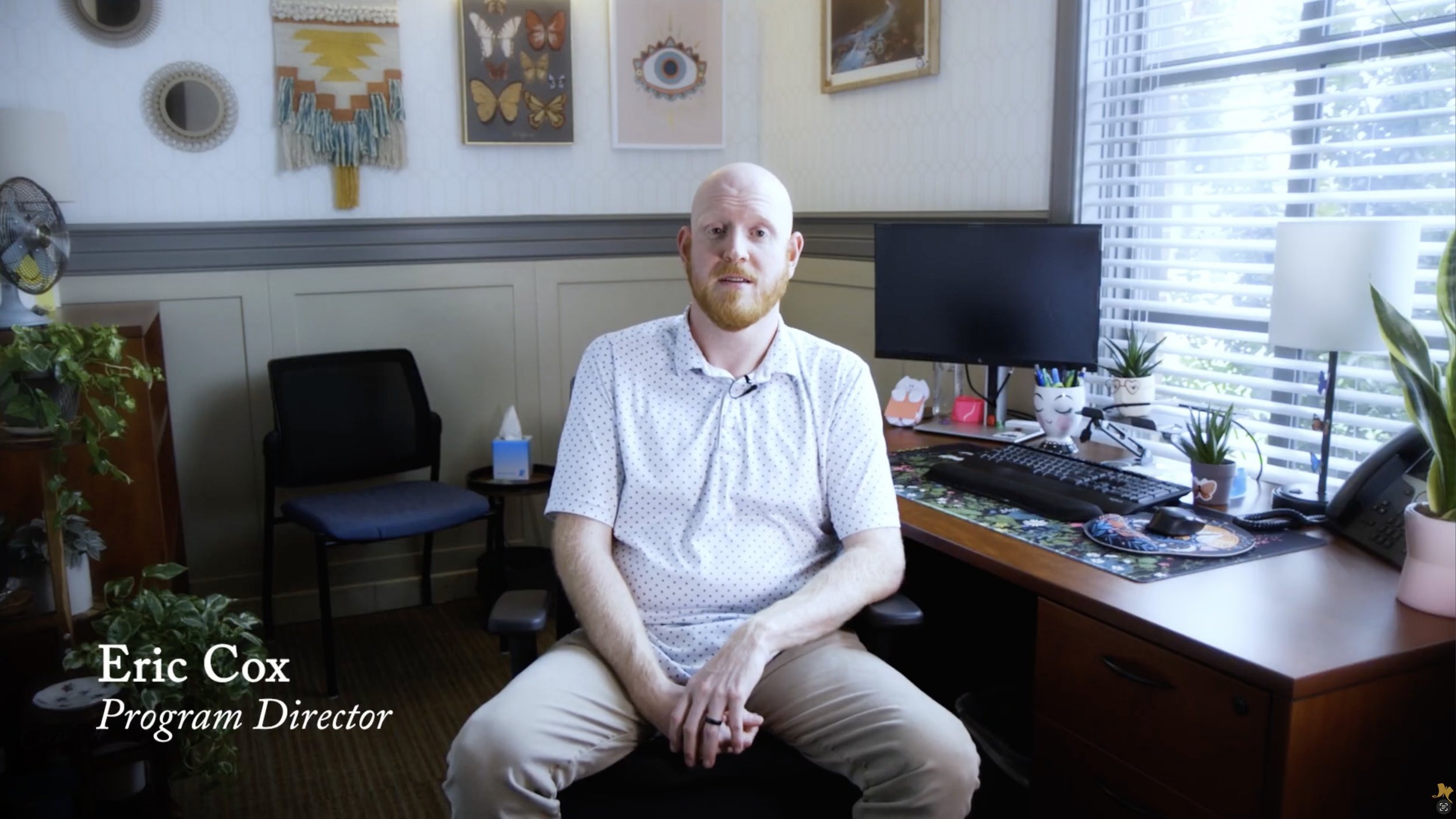
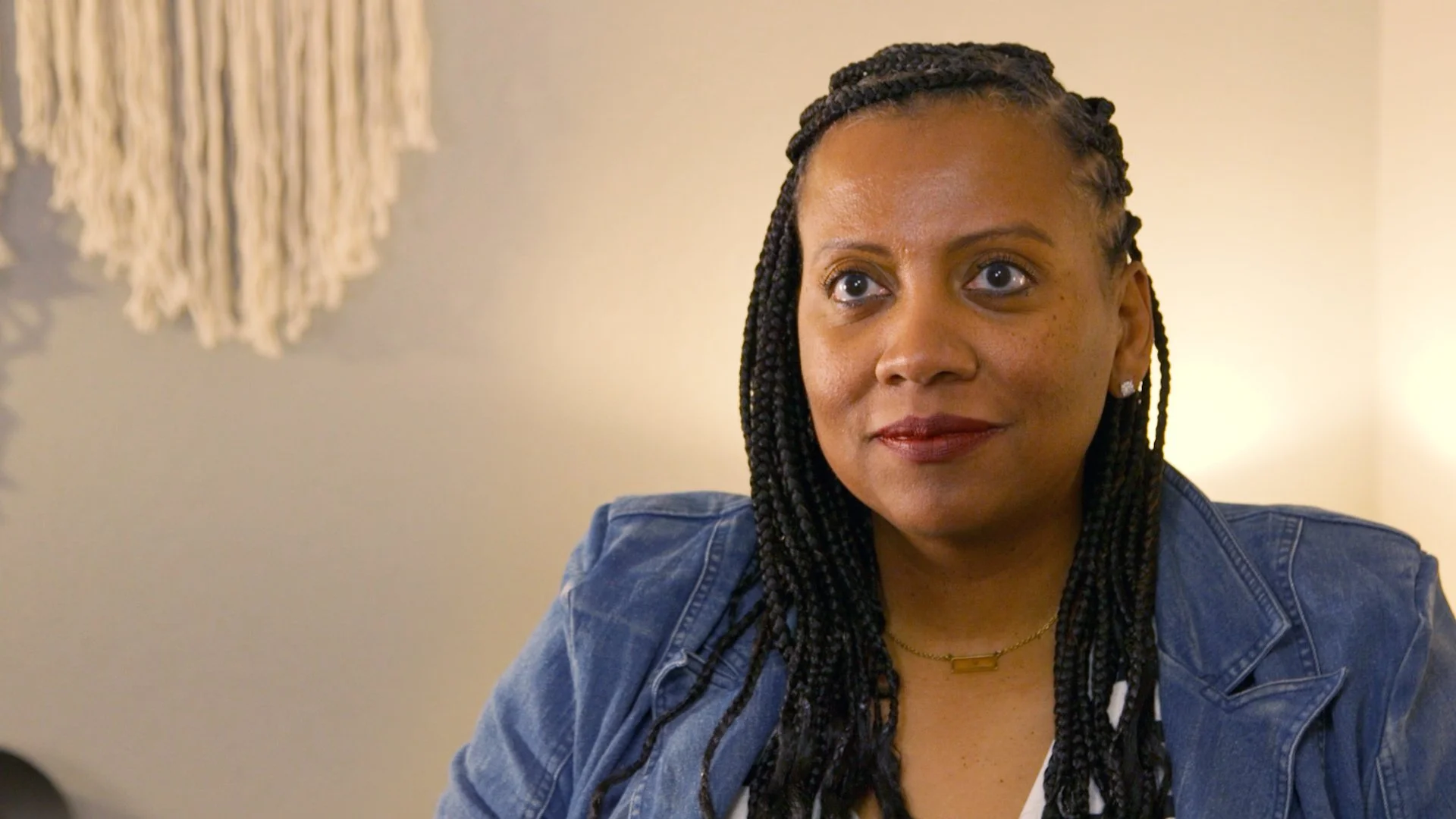
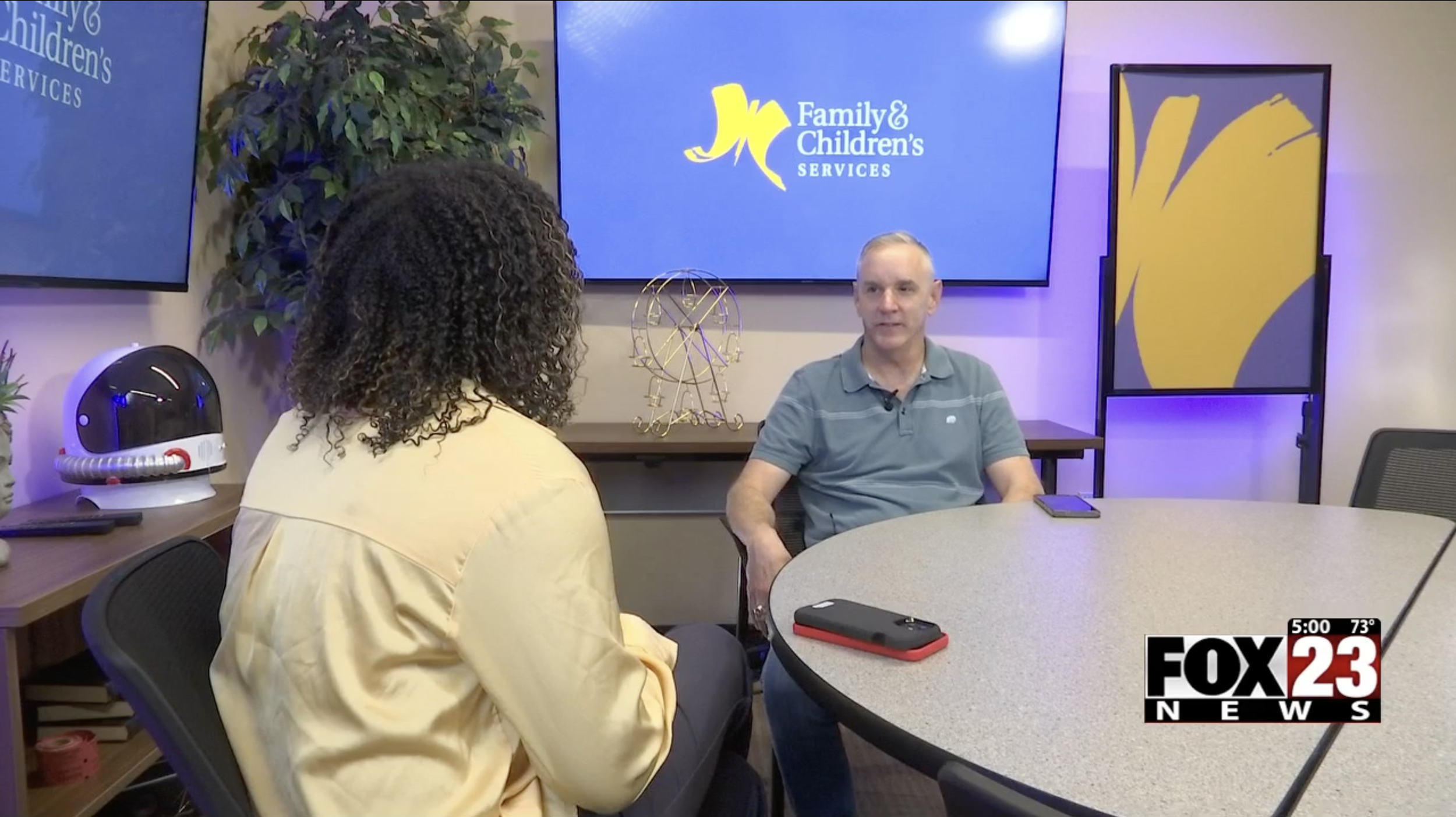
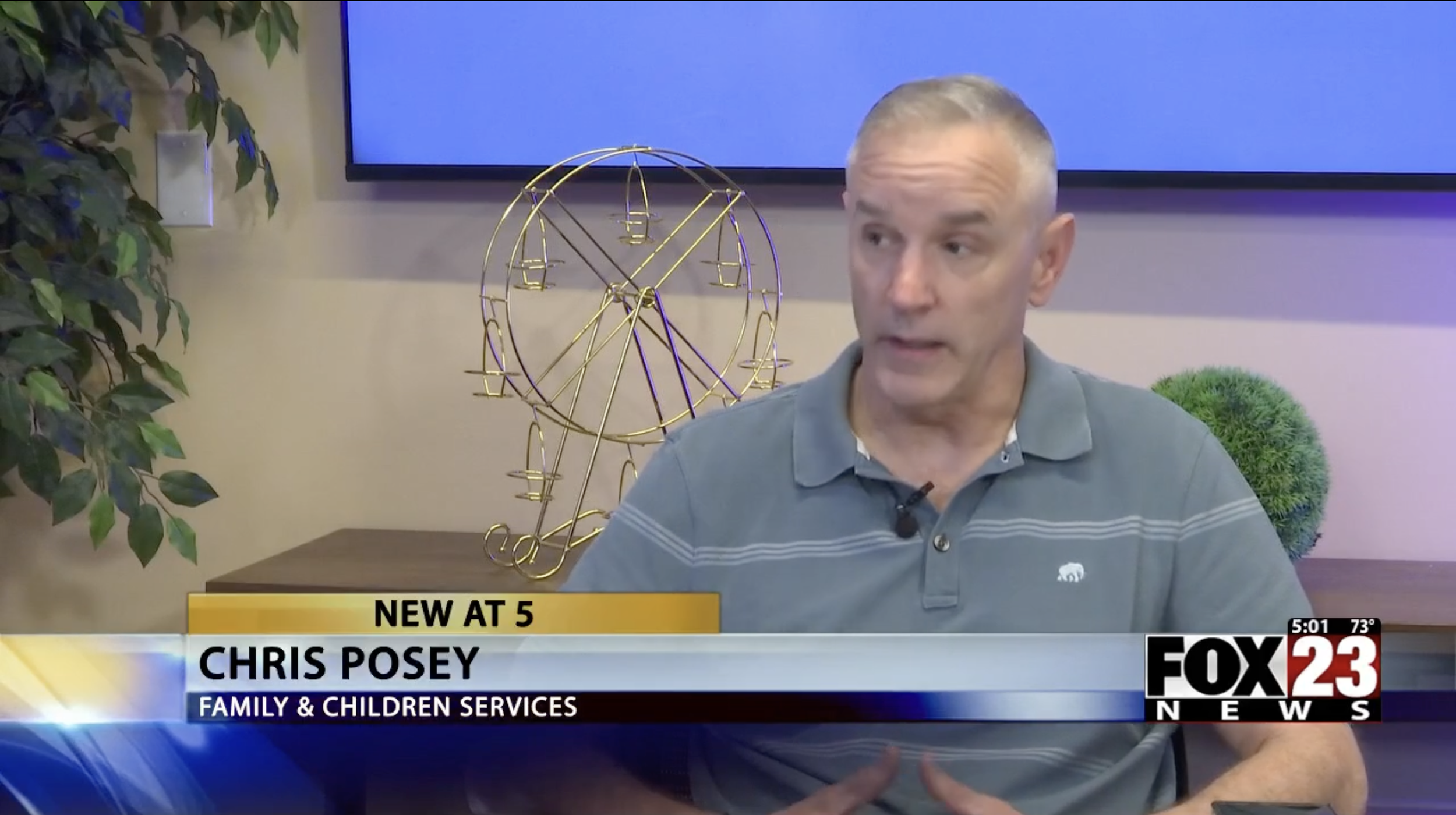
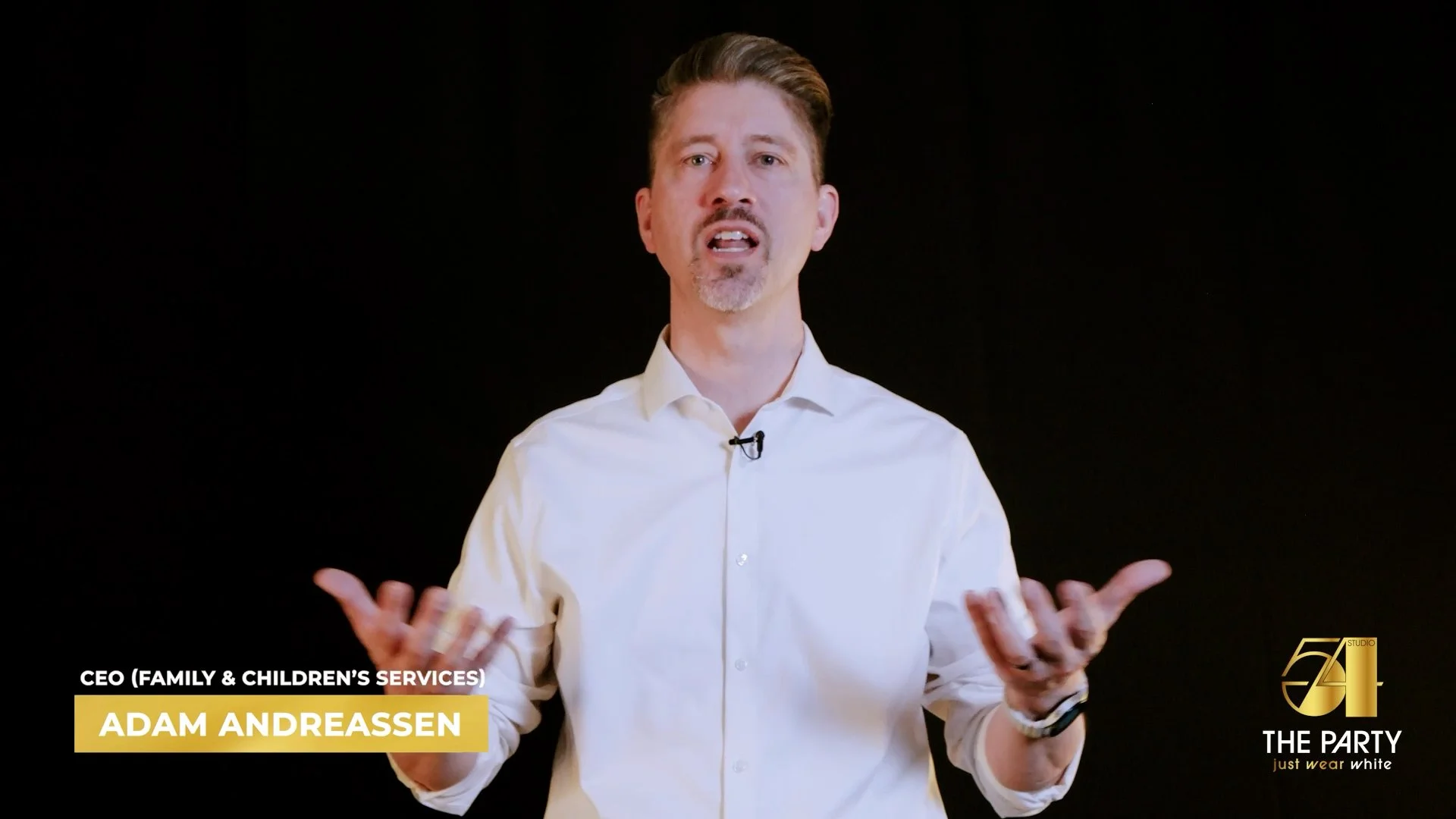
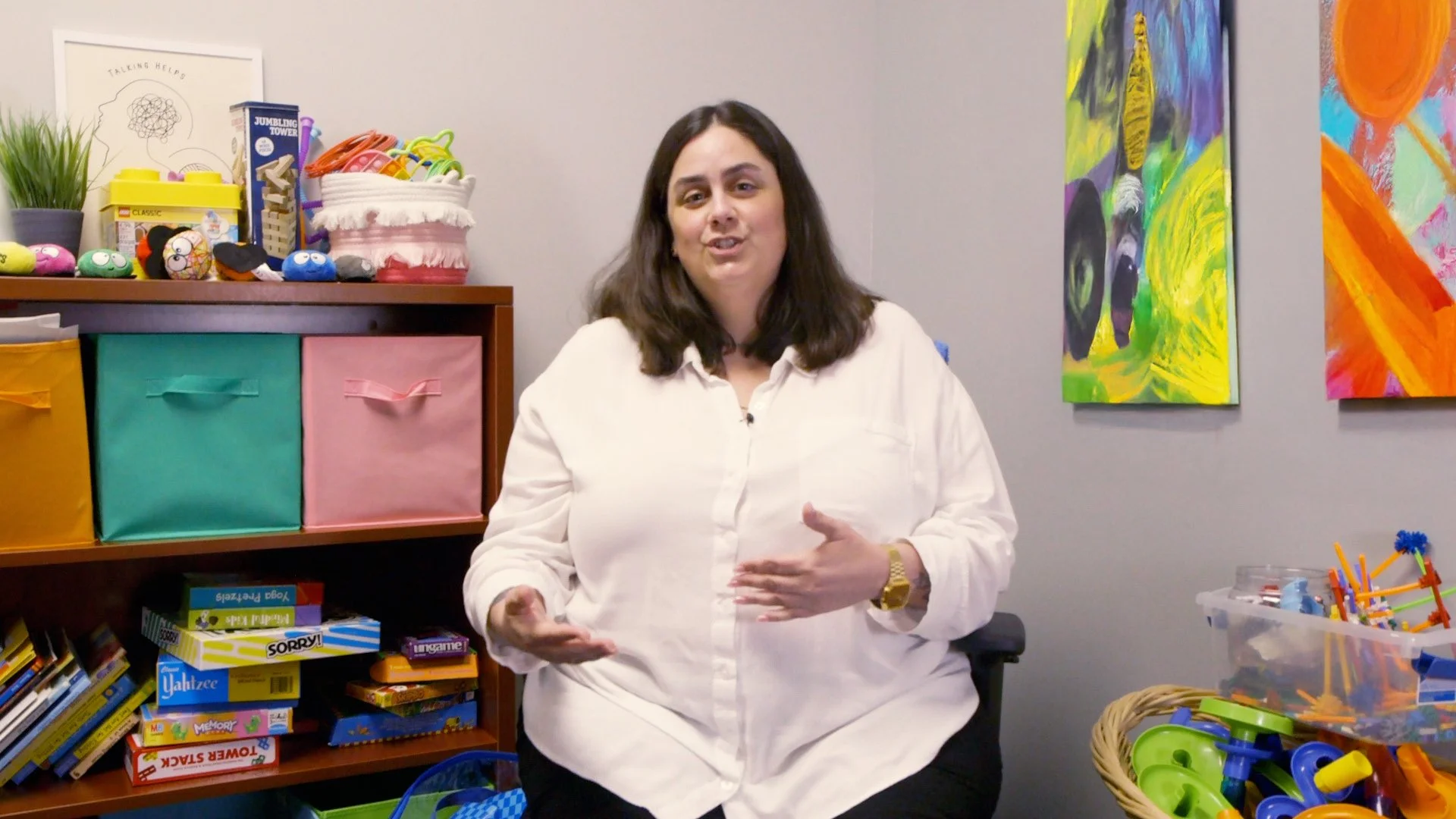
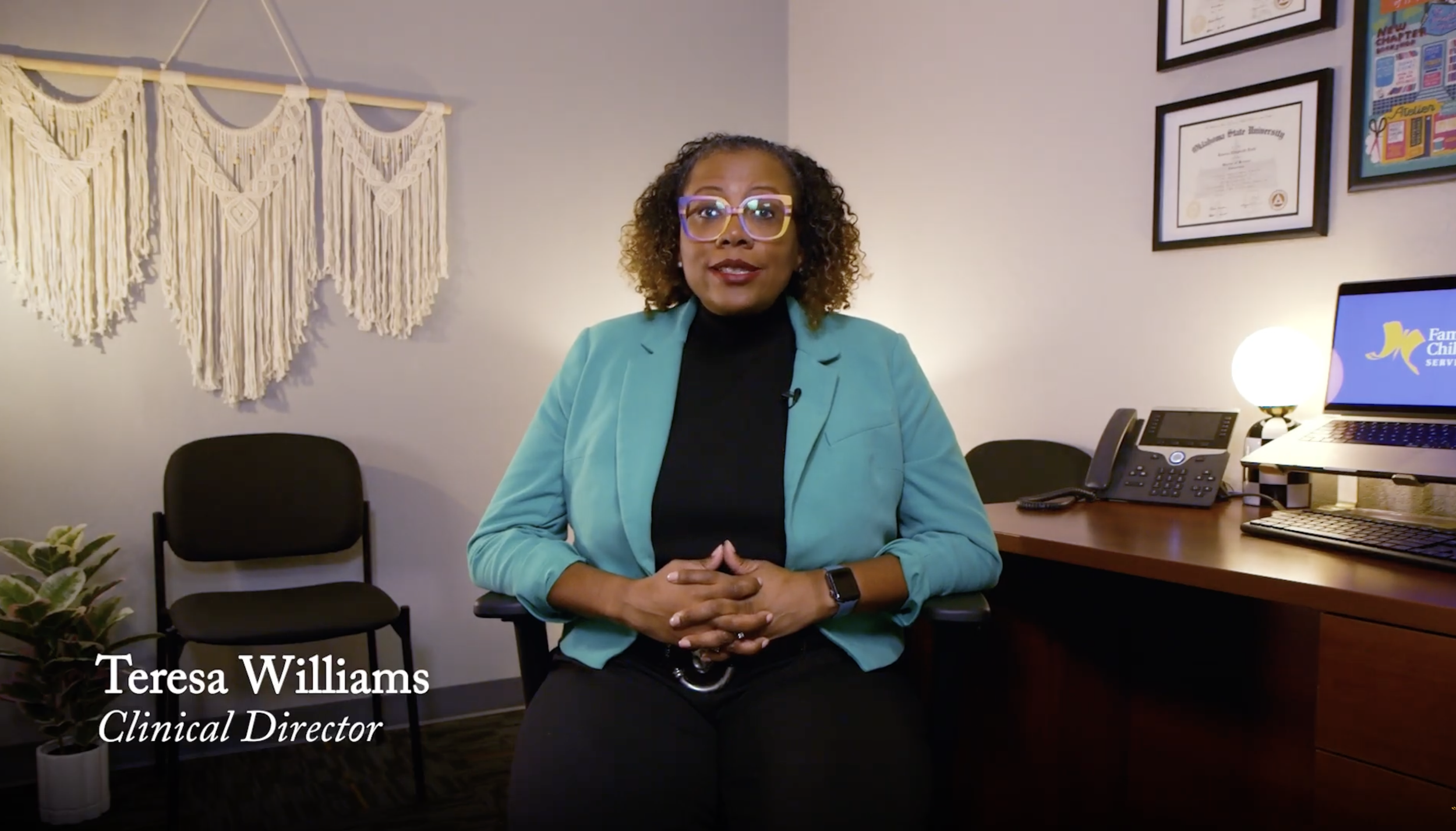
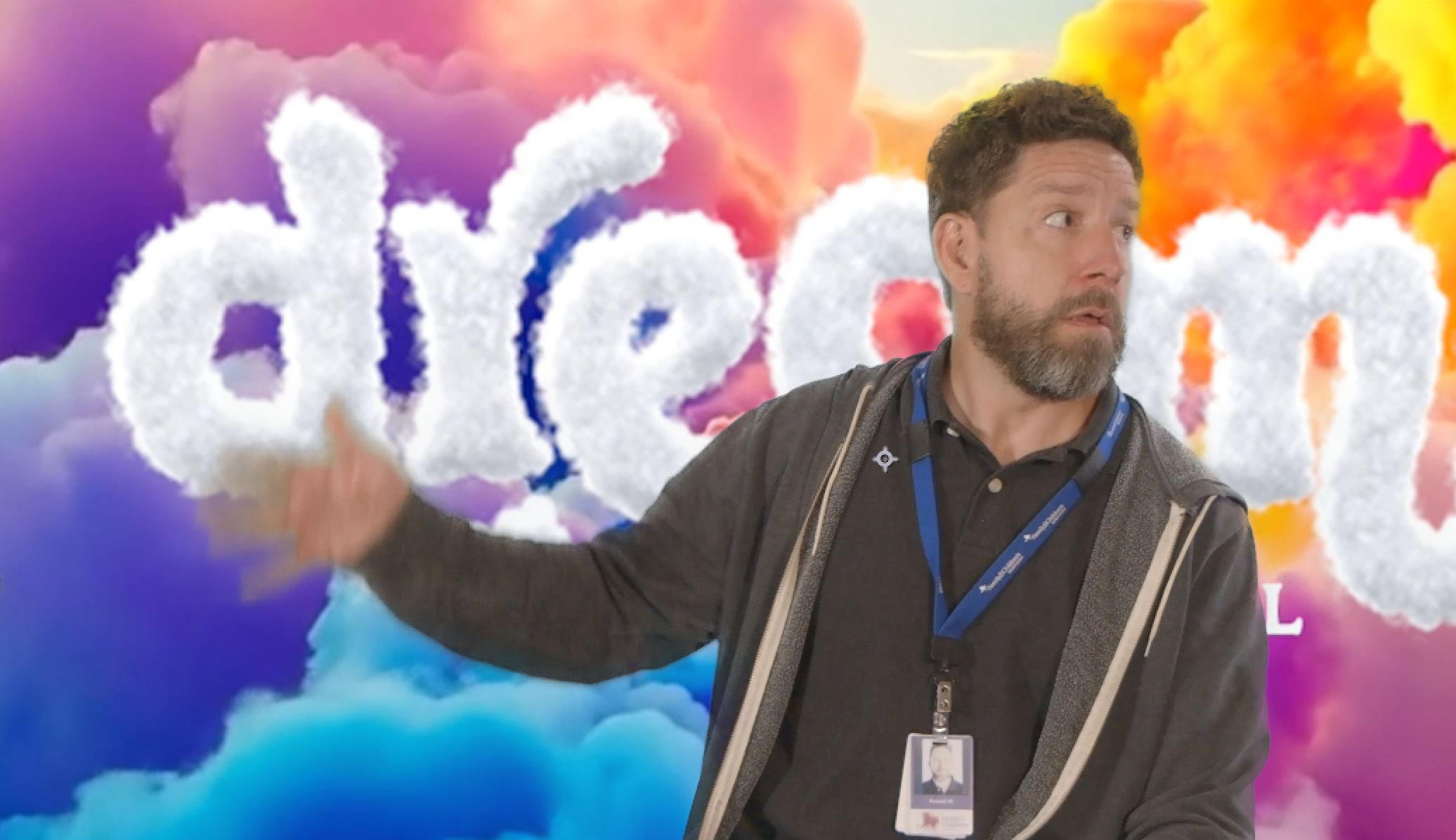
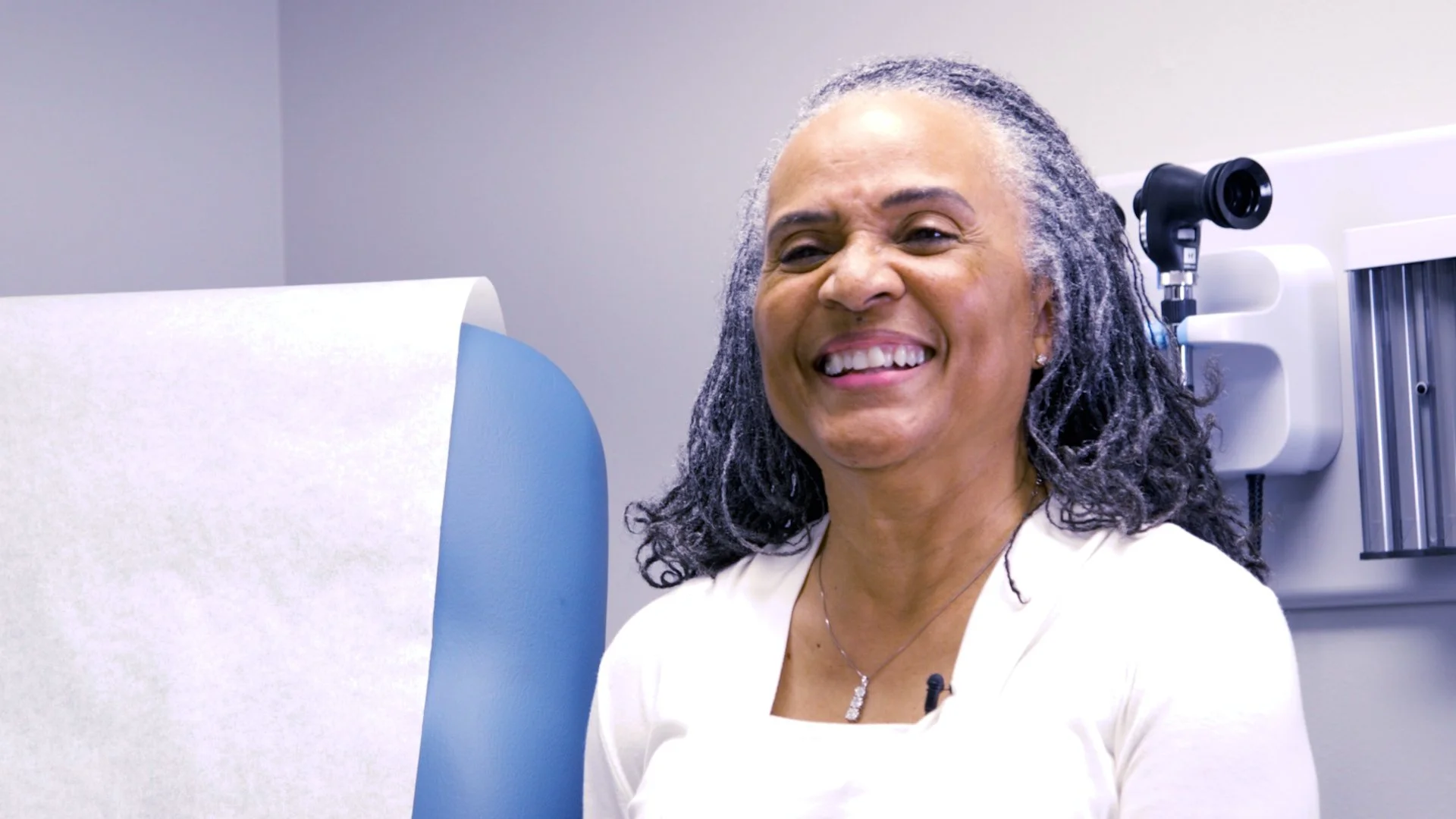
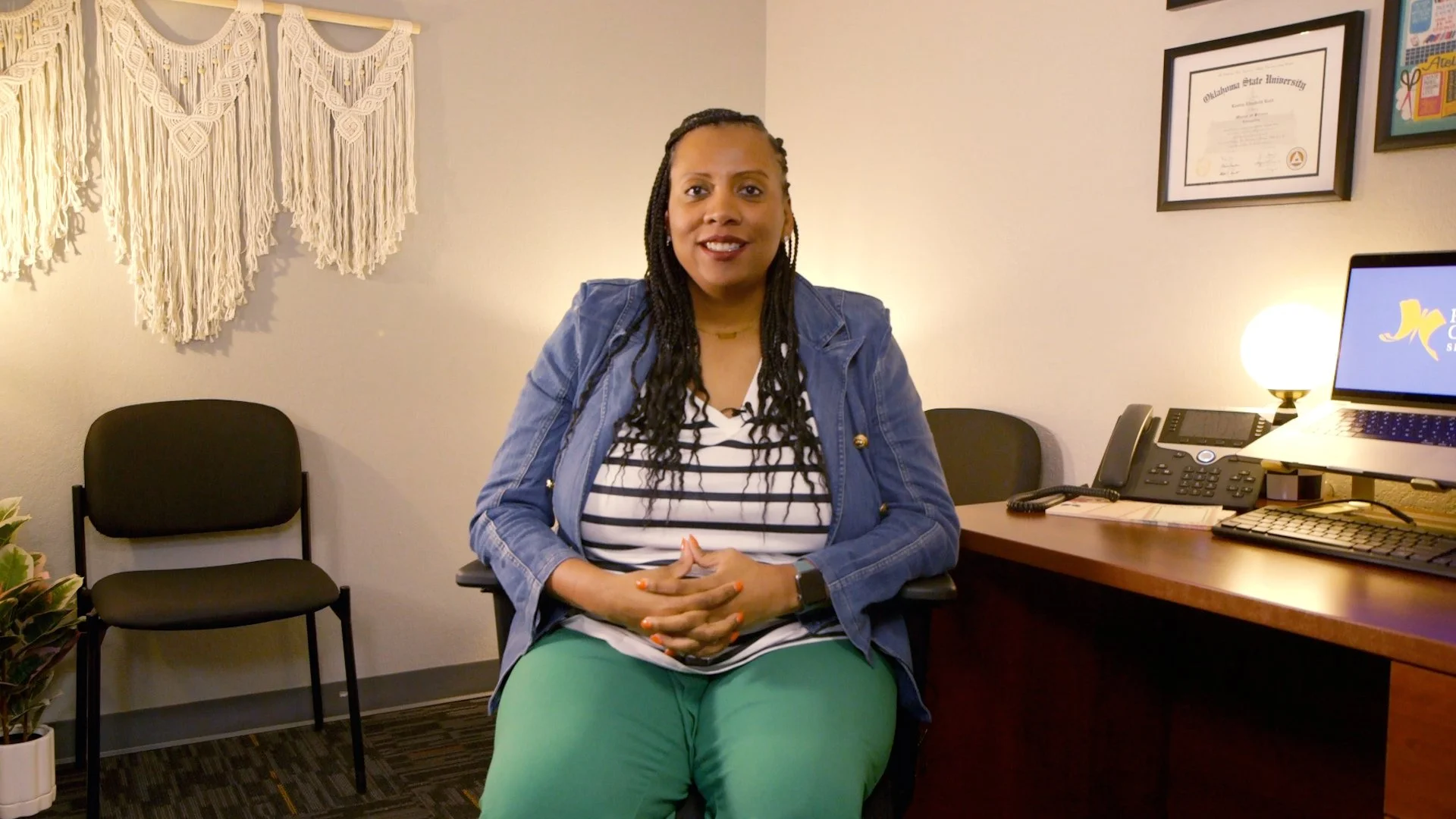
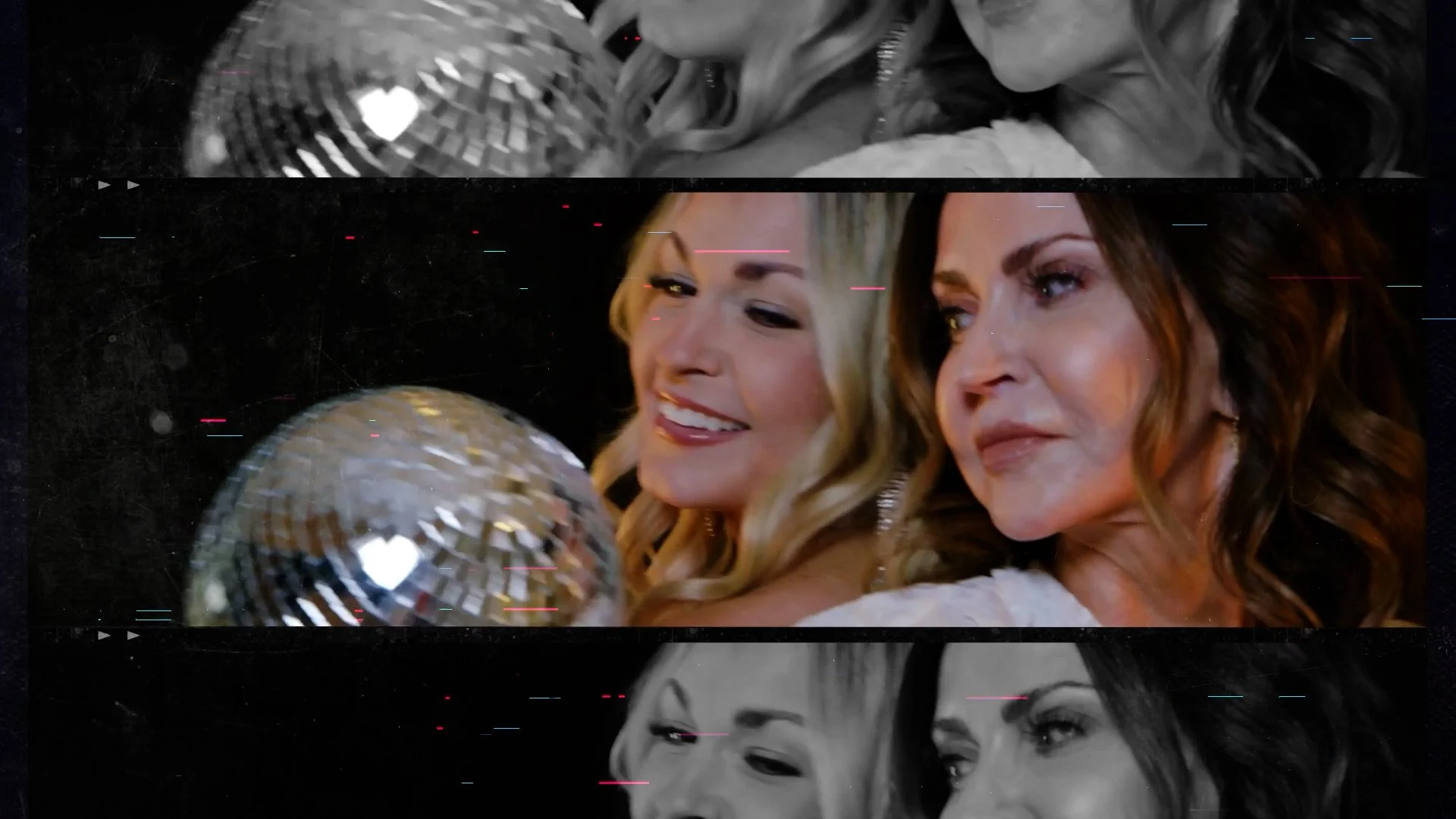
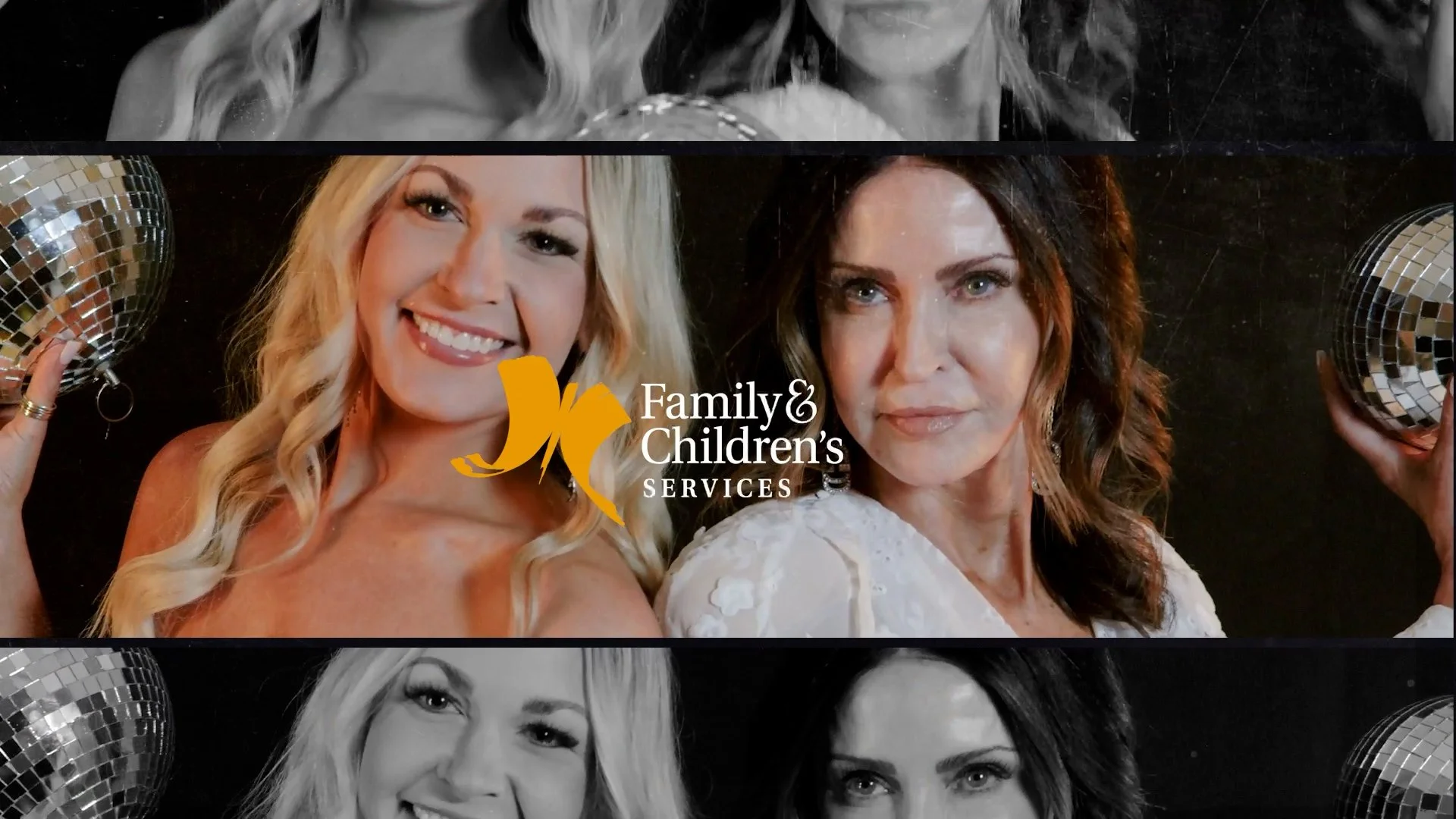
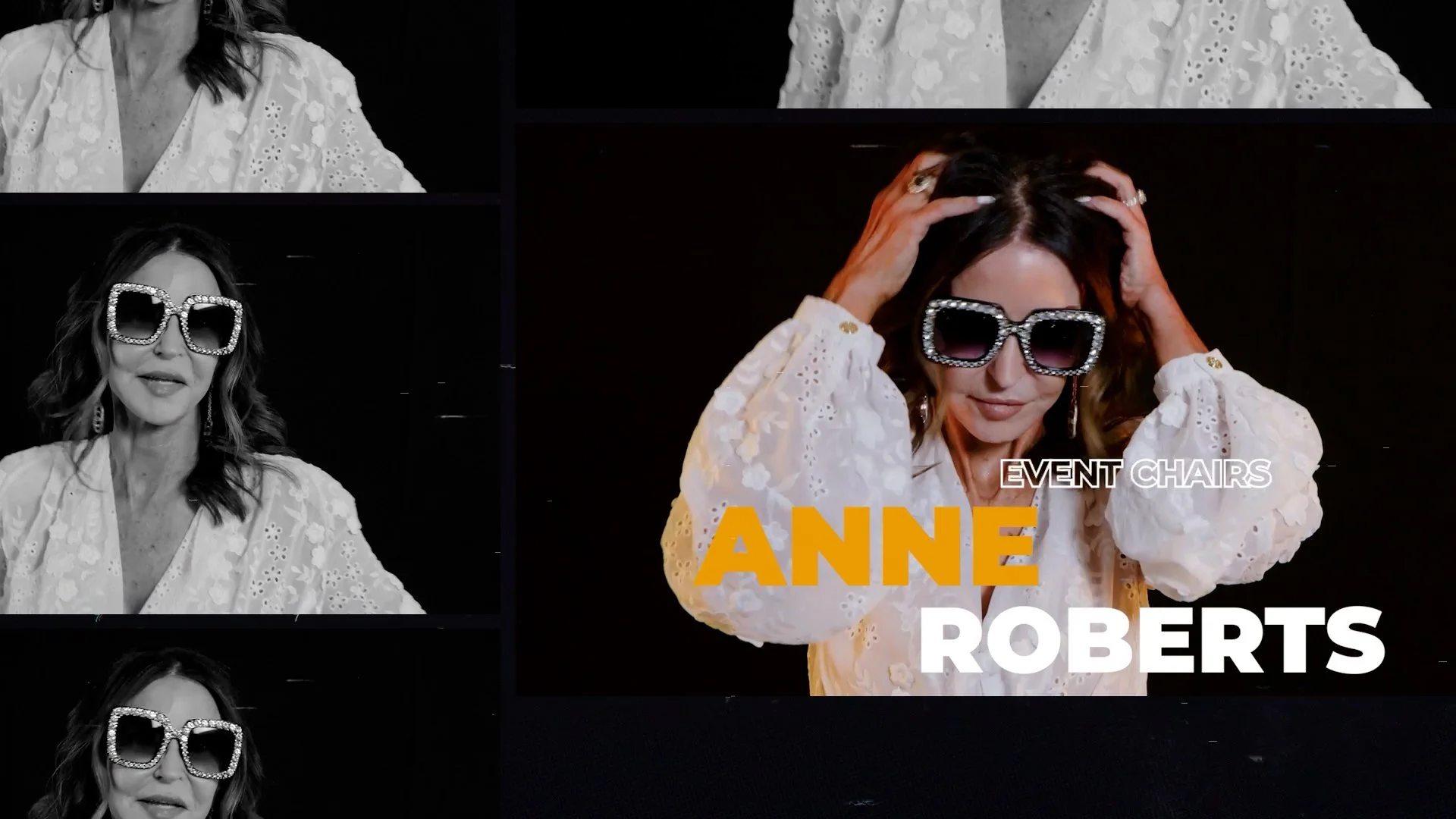
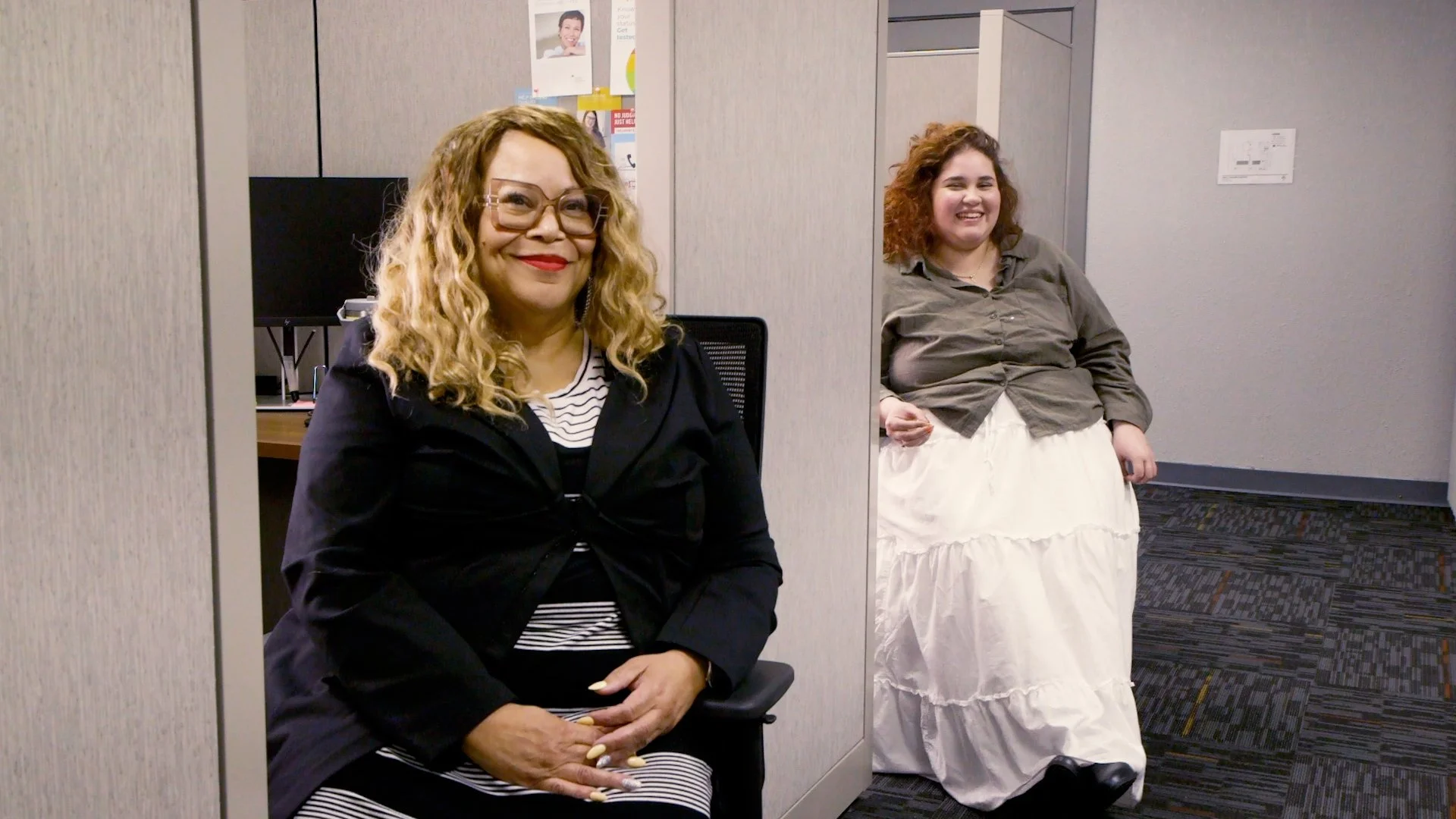
With limited resources and a small team, a lot comes down to proving potential first. So, we designed the studio to feel part production laboratory, part creative playground. Then we leaned on strategy and concept to design formats that amplified both message and personality. Podcasts, talking heads, fireside chats, subject matter expert Q&As, internal communications, and on-the-street interviews. Each one provides structure without stifling creativity. Every format has its own logic and purpose, allowing us to plan ahead yet remain nimble in production.
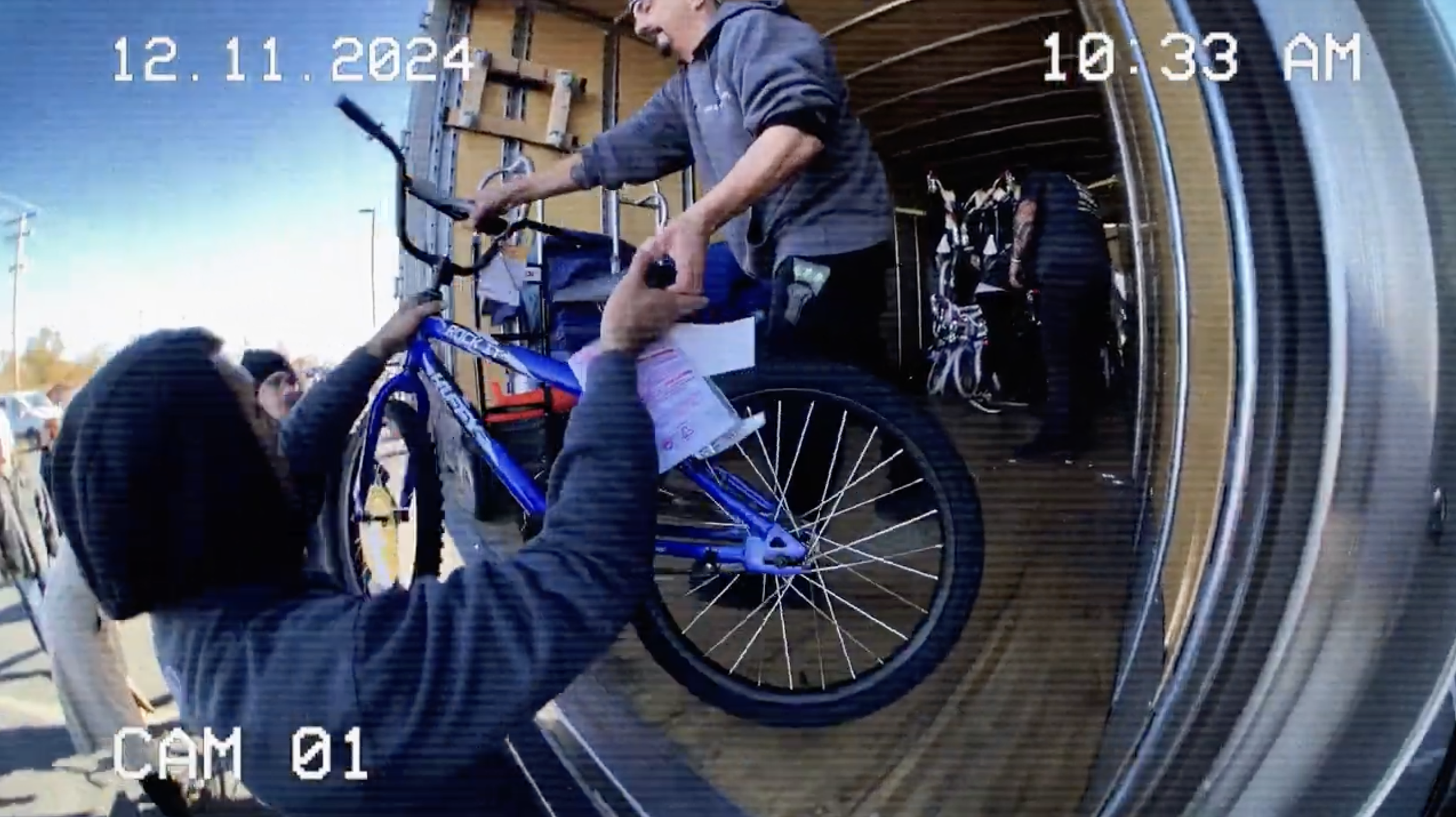
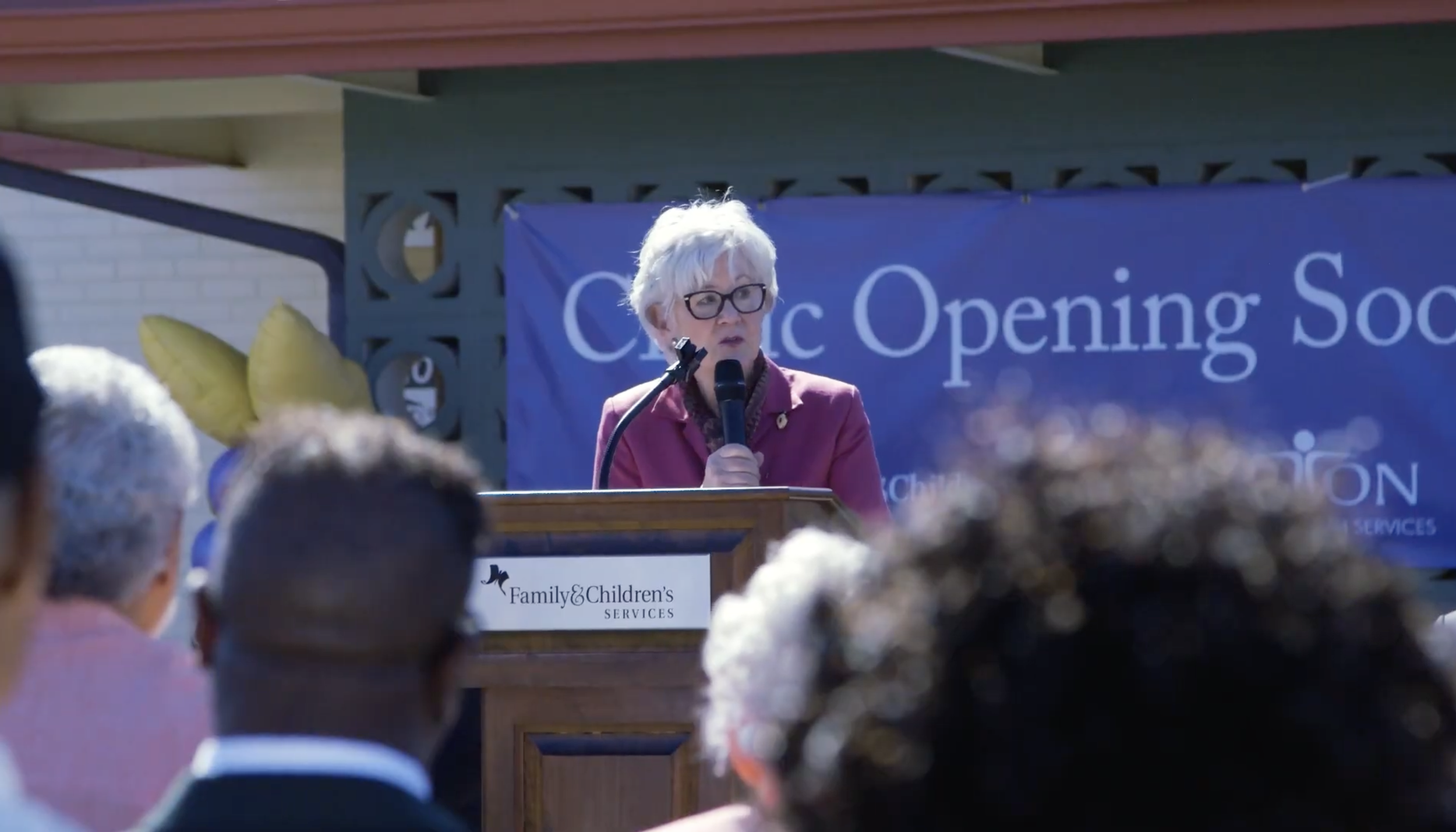
From ribbon-cutting to reality >>
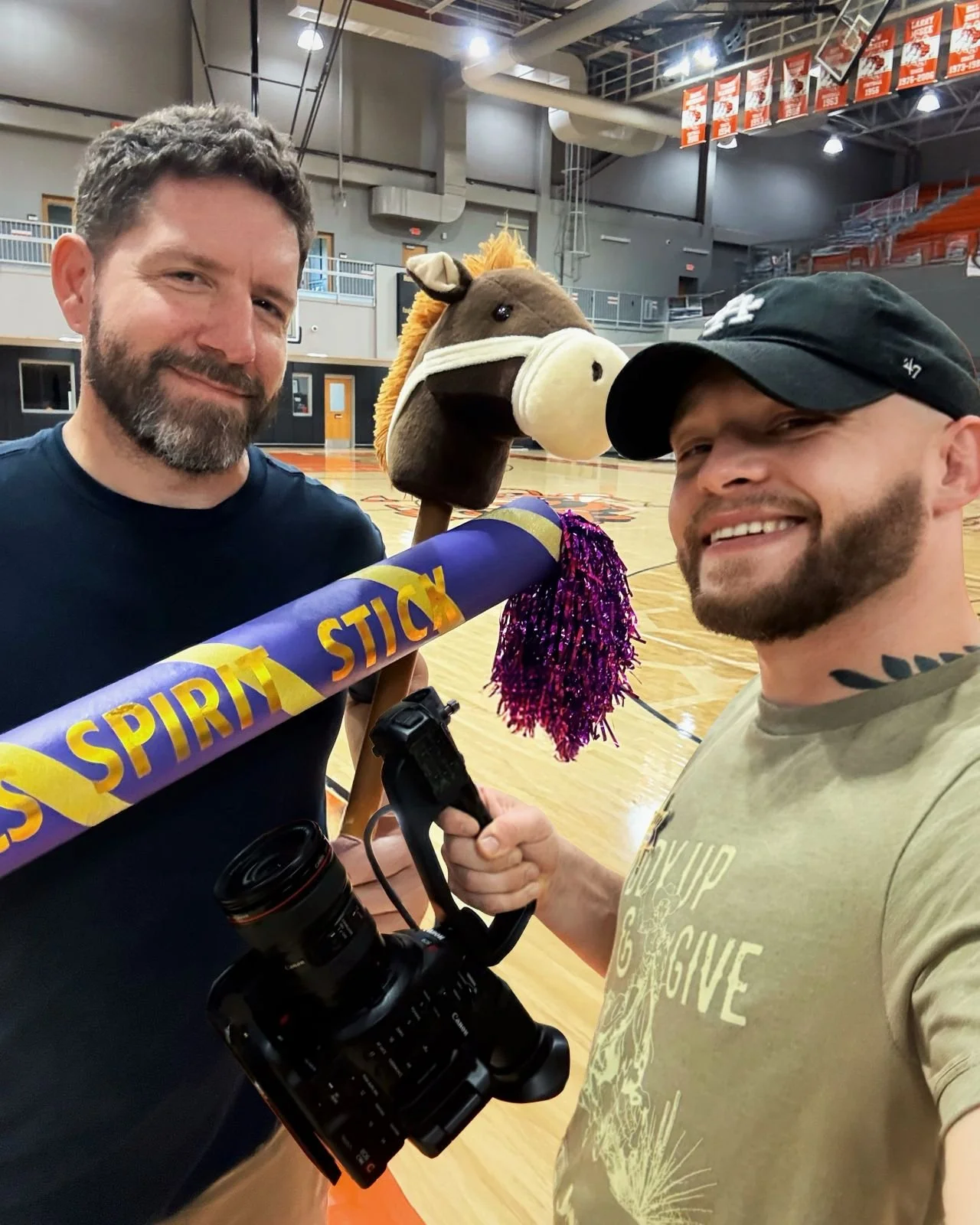
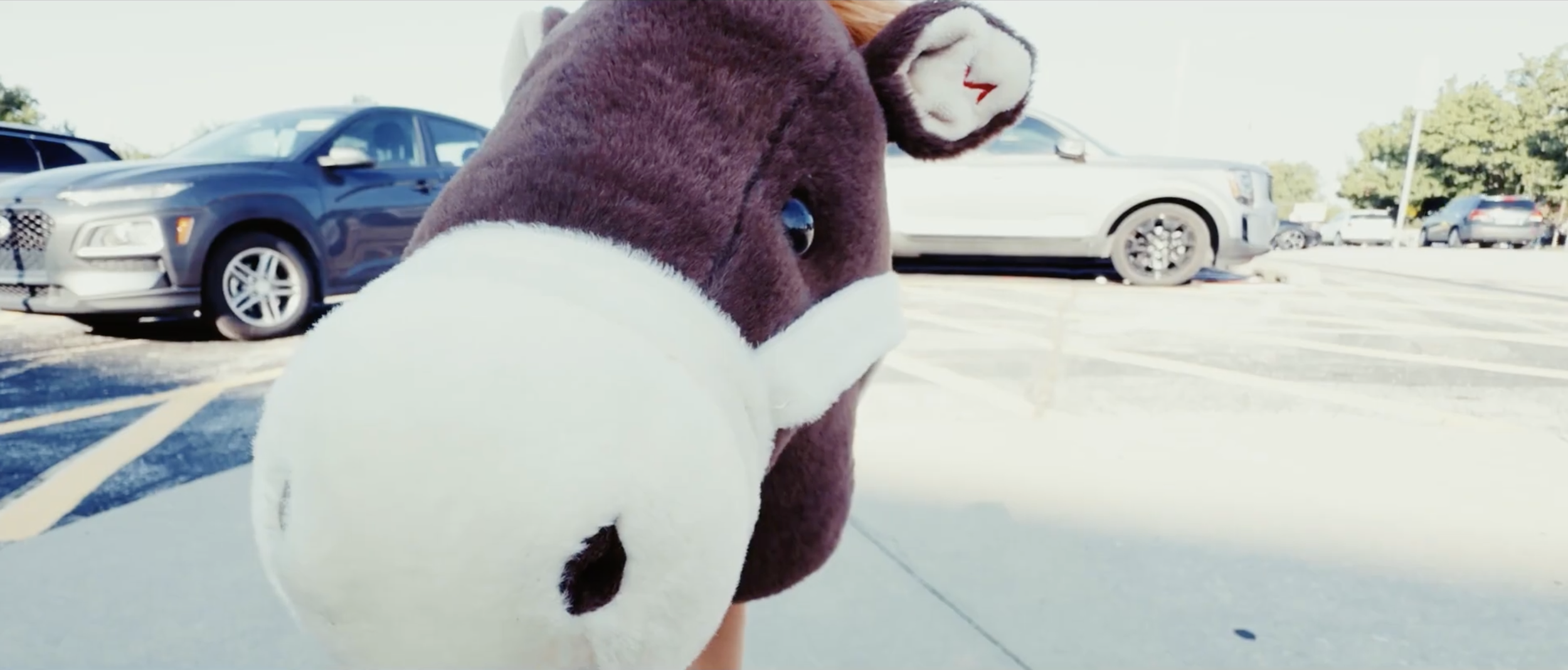
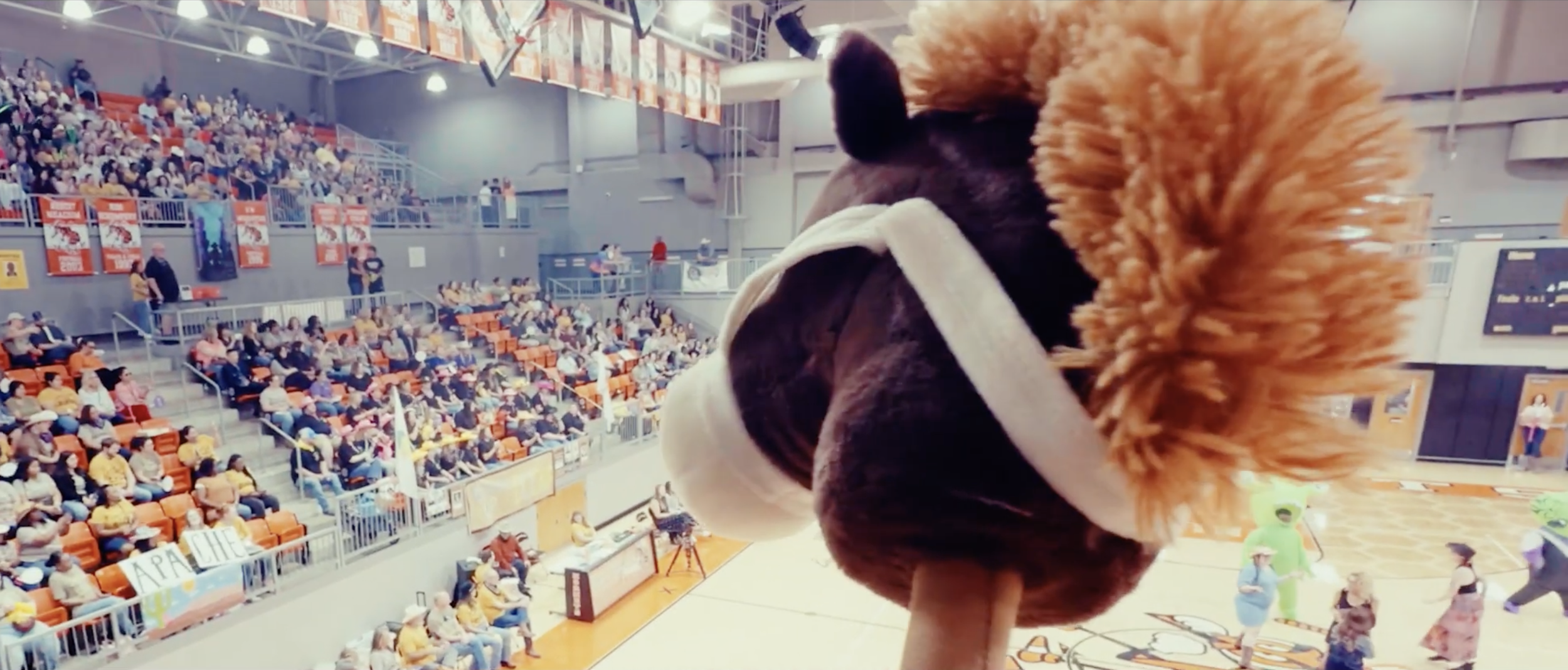
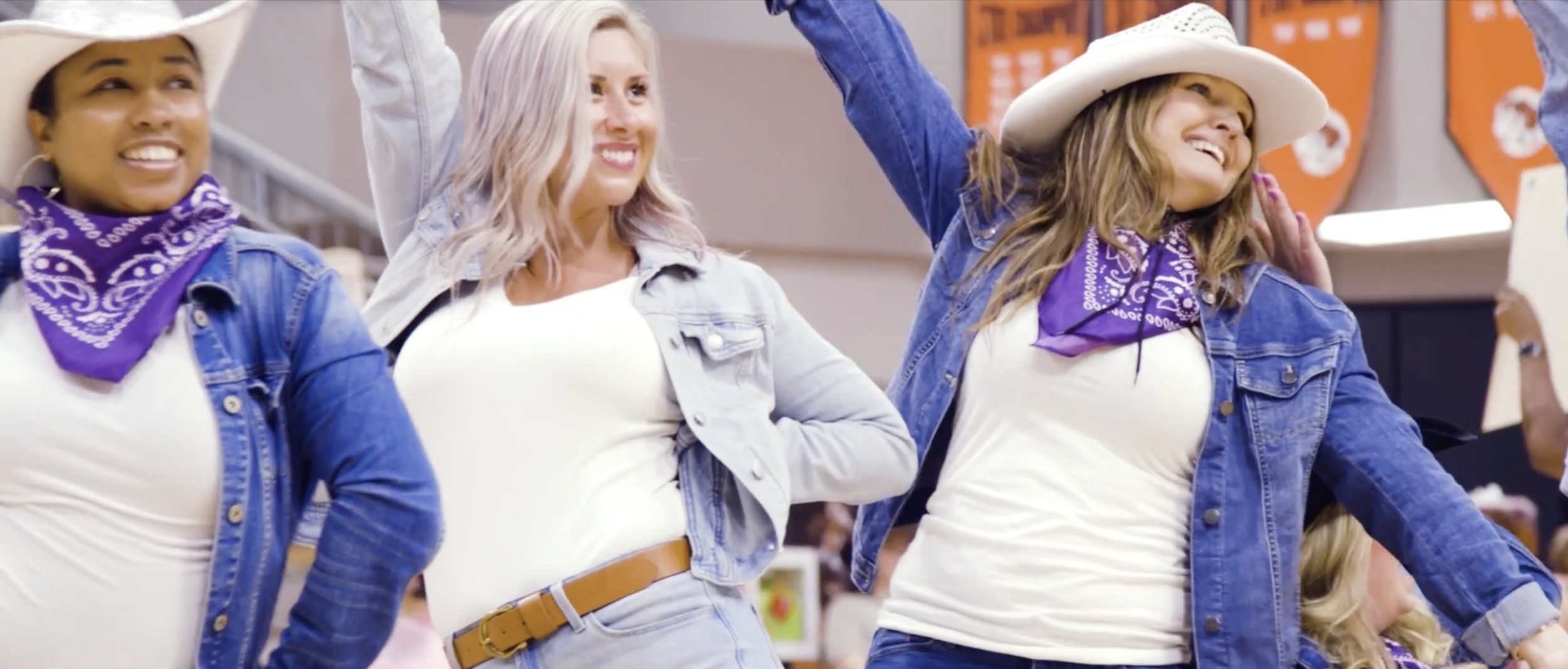
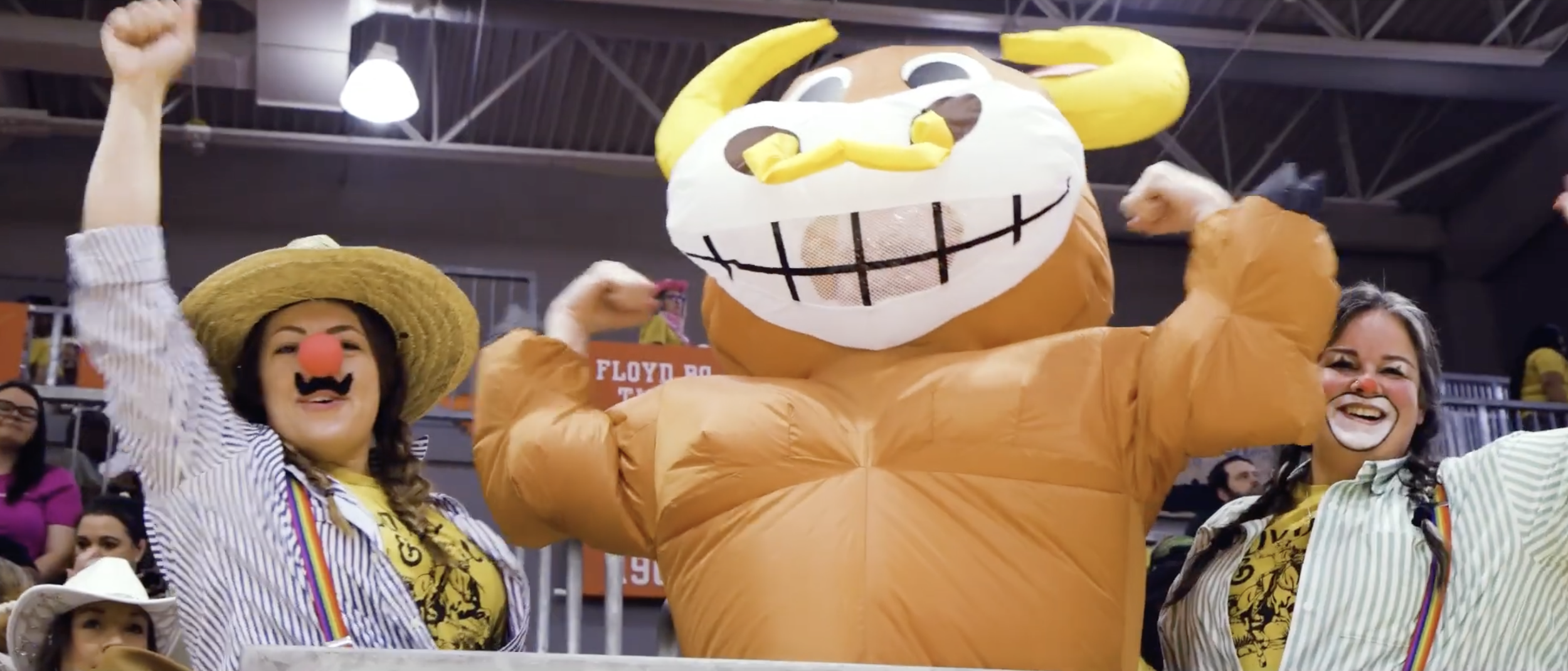
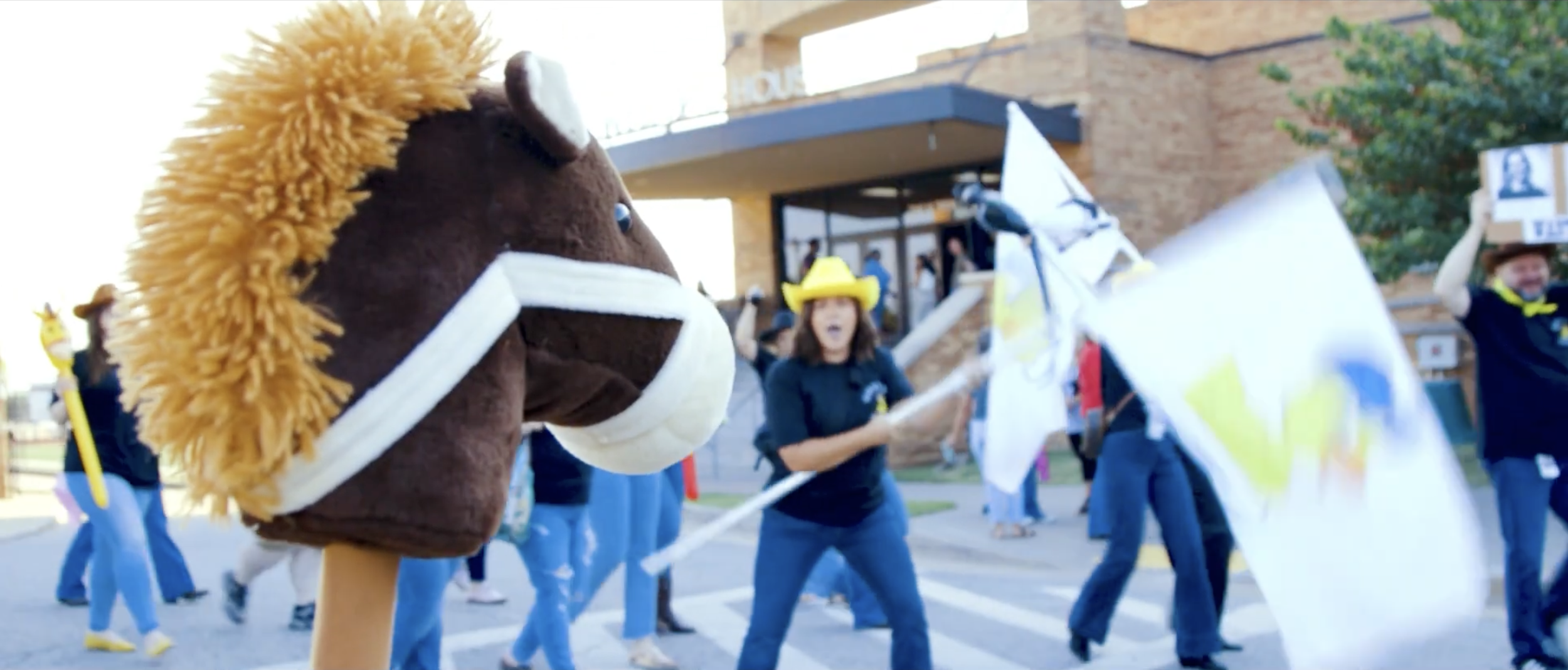
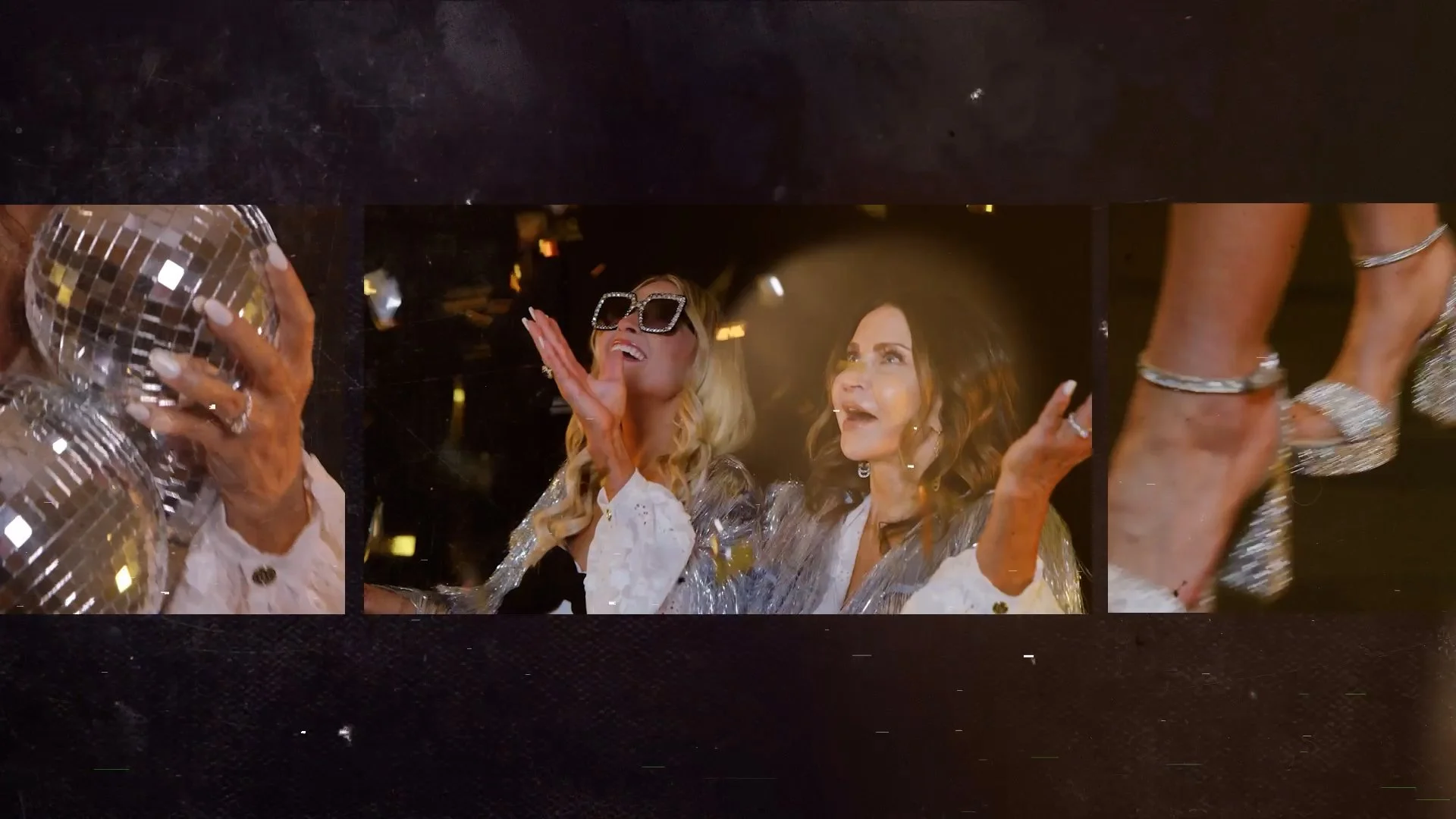
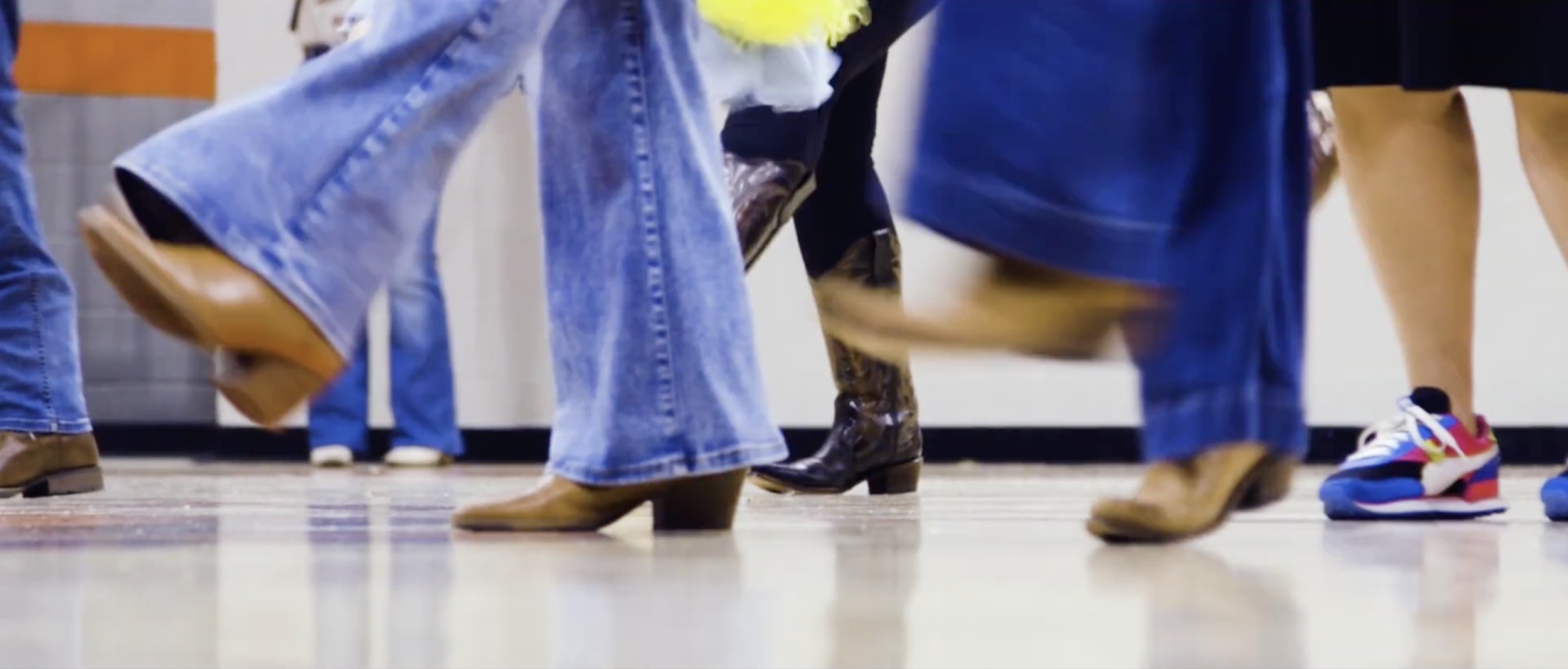
Giddy Up and Give for United Way >>
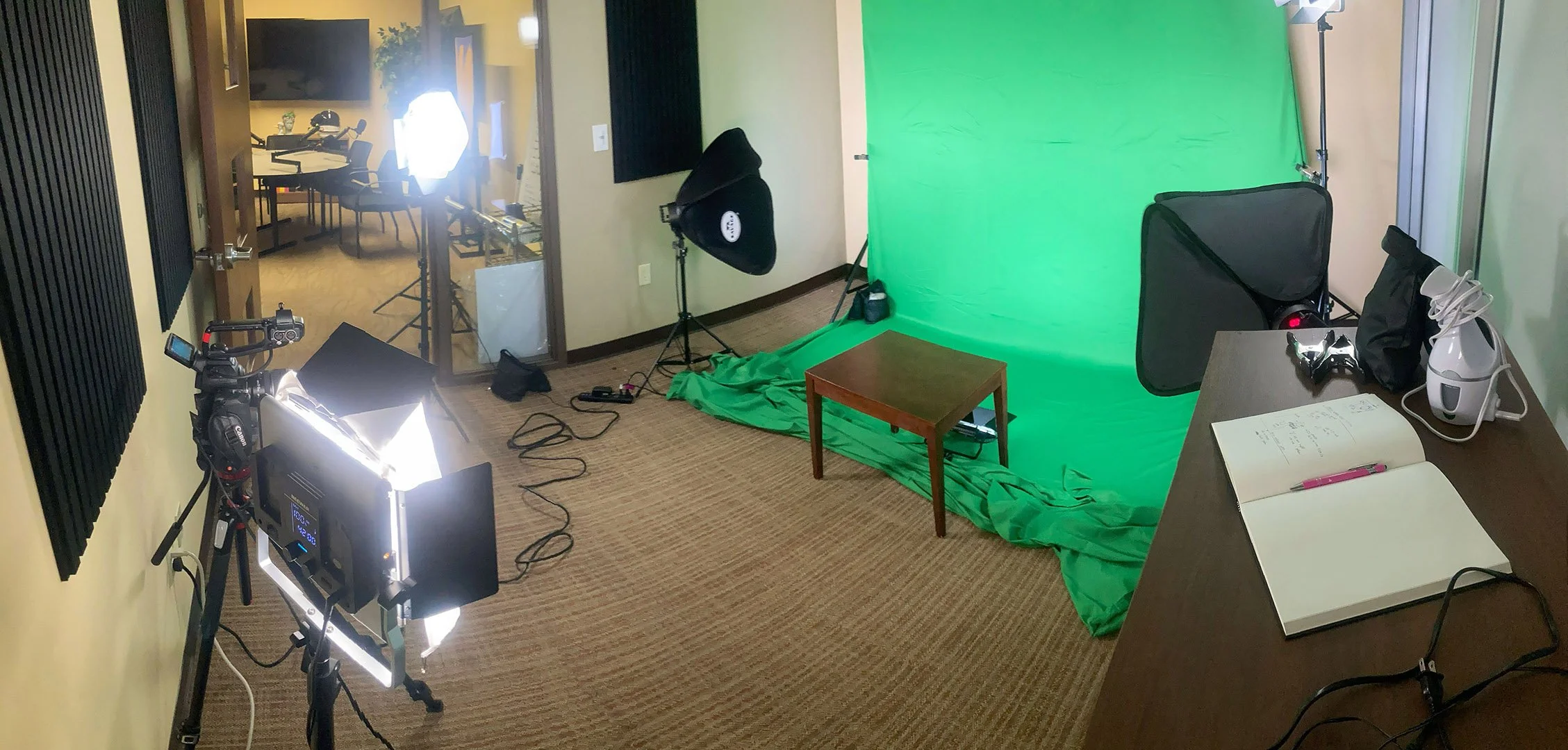
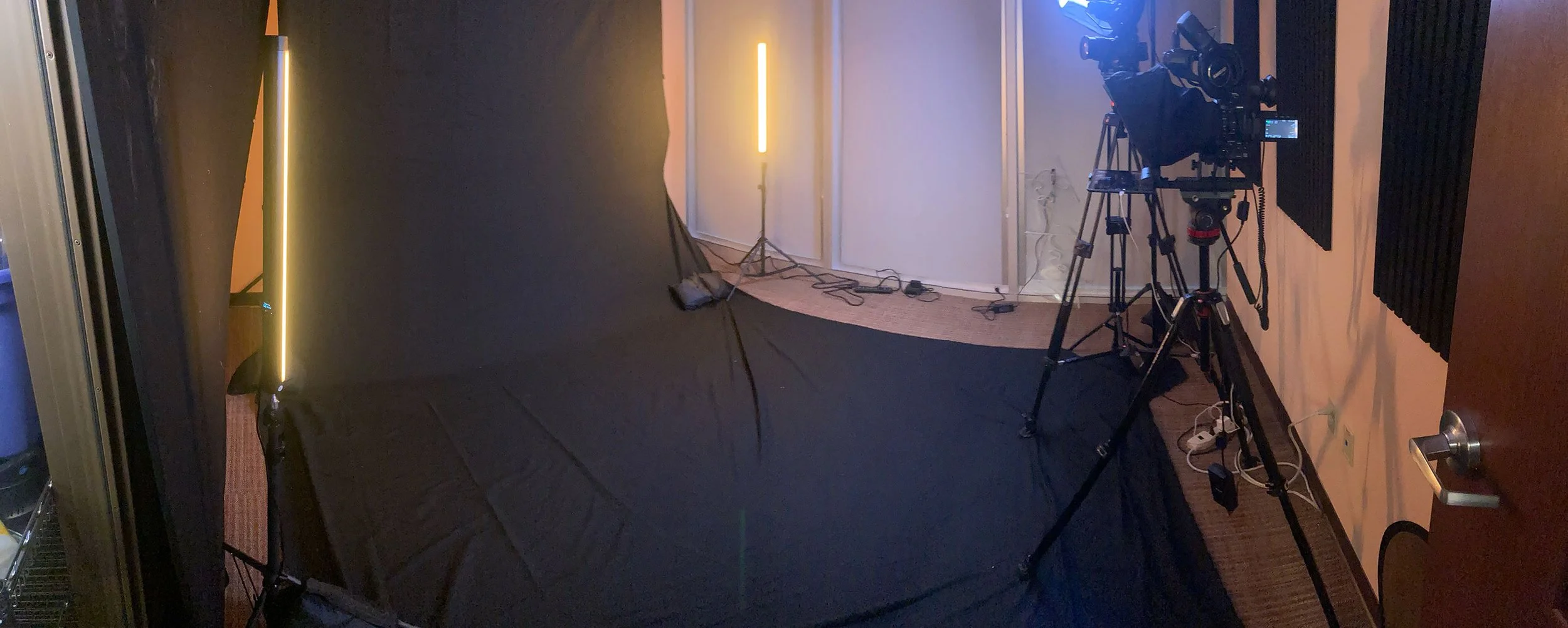
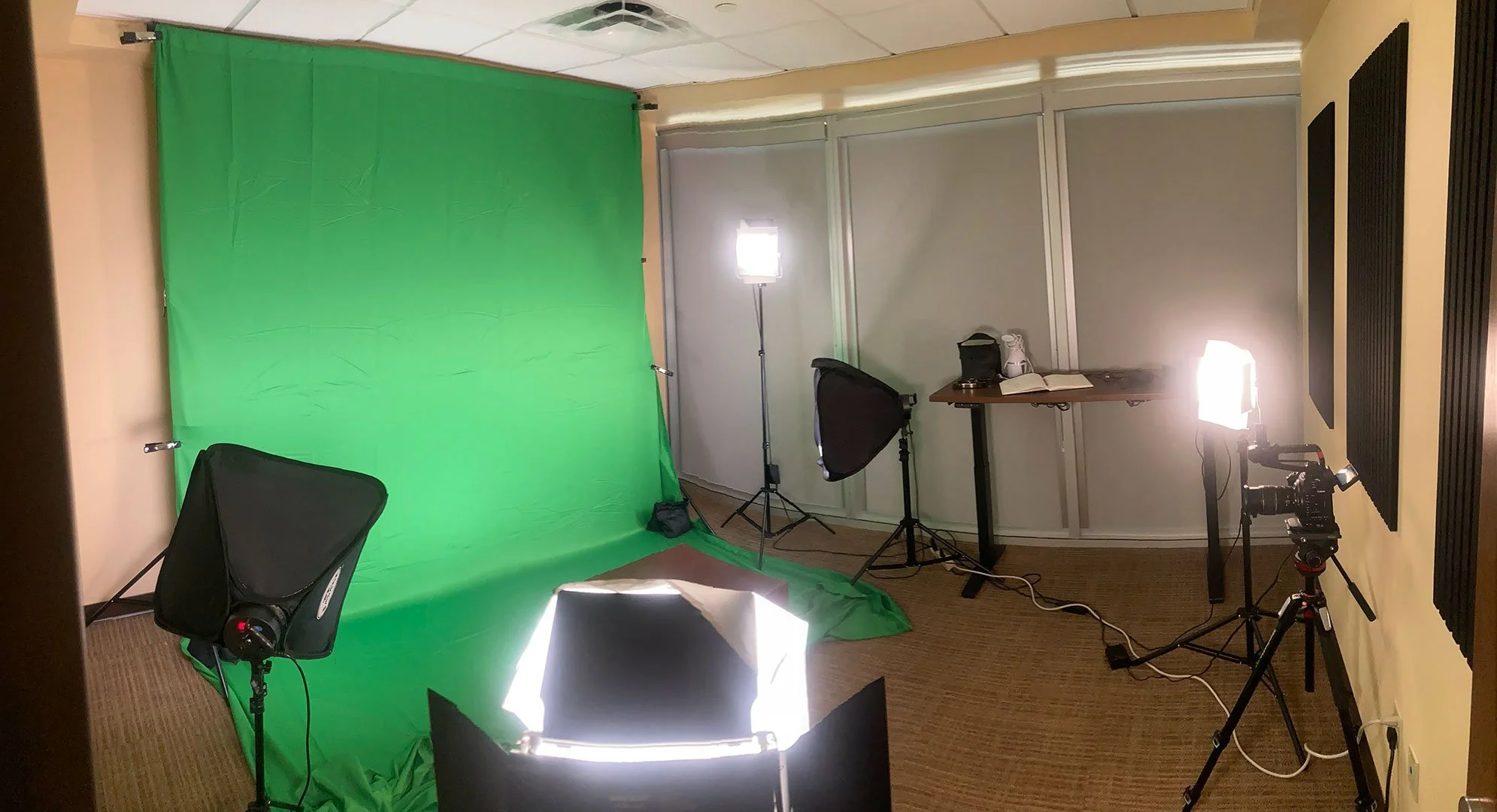
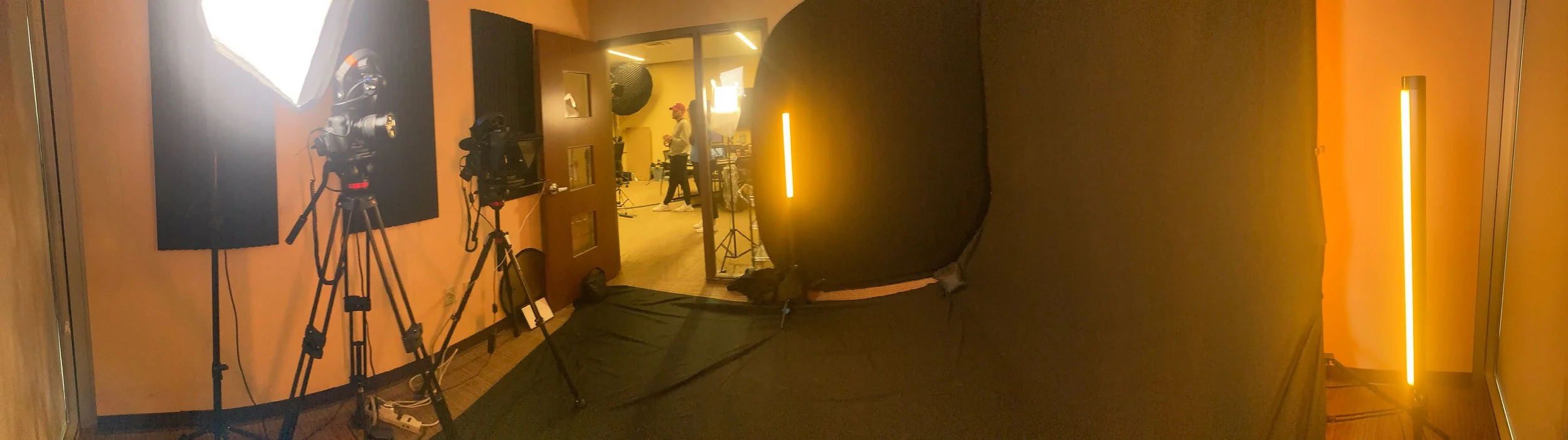
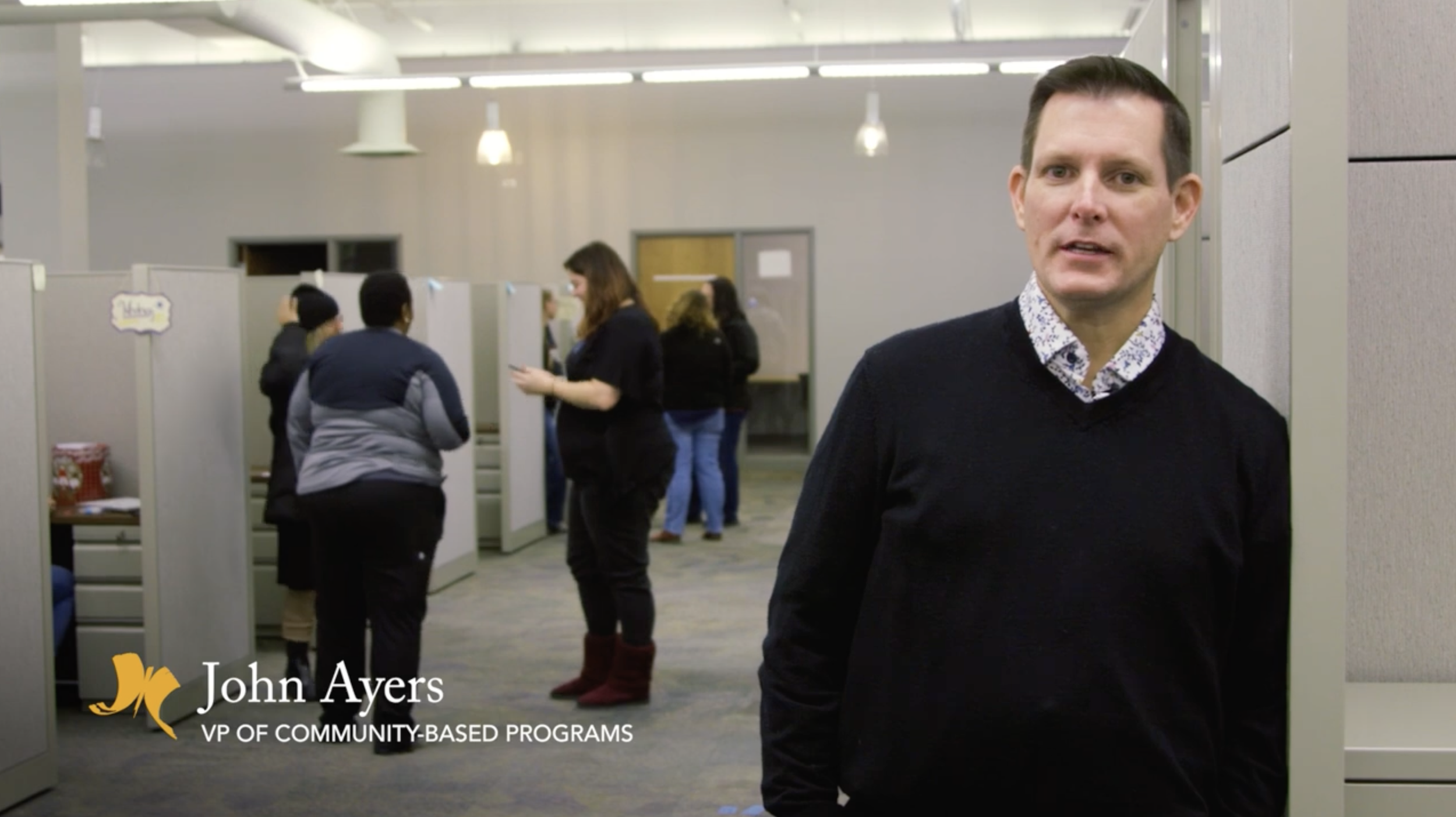
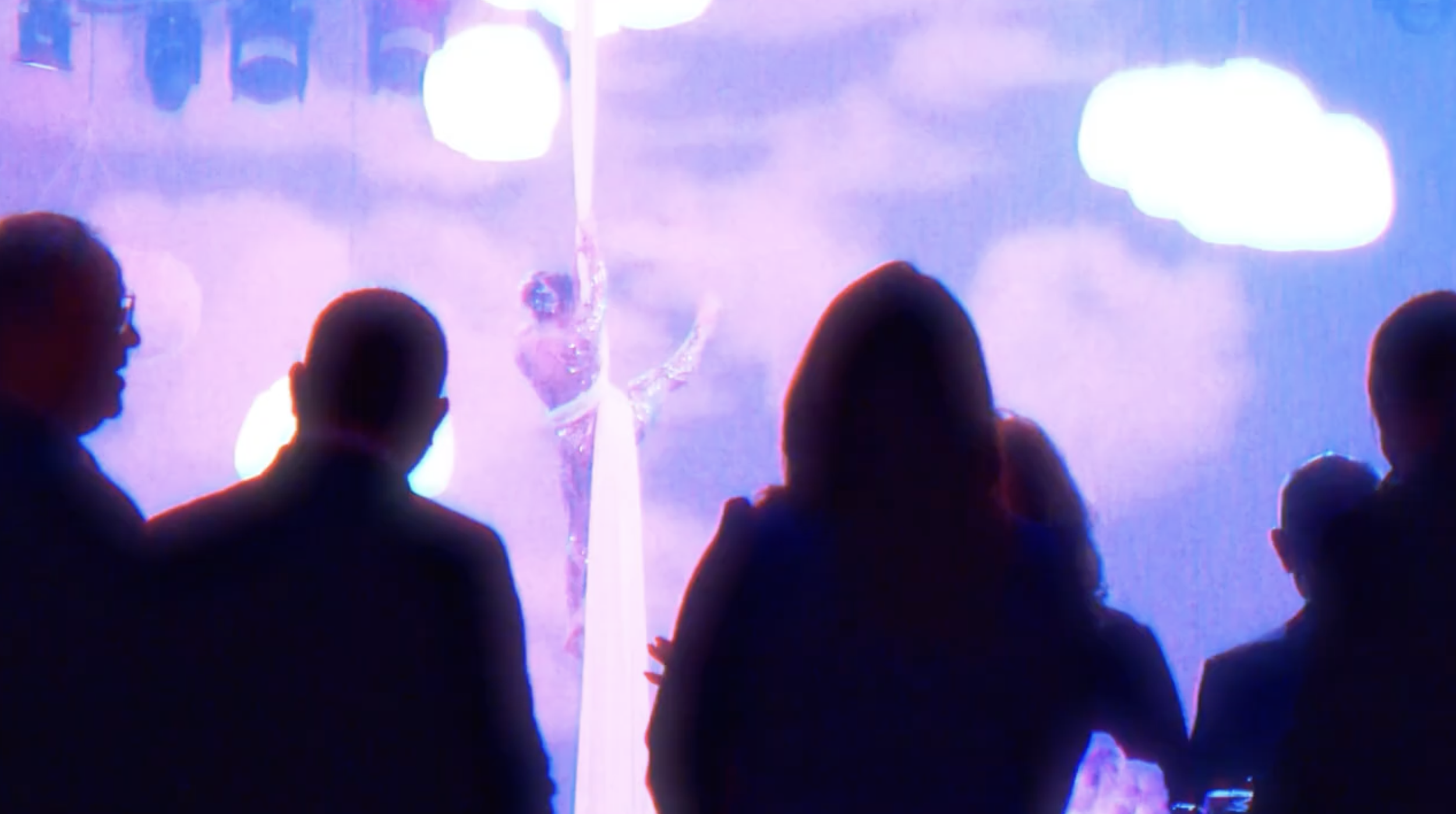
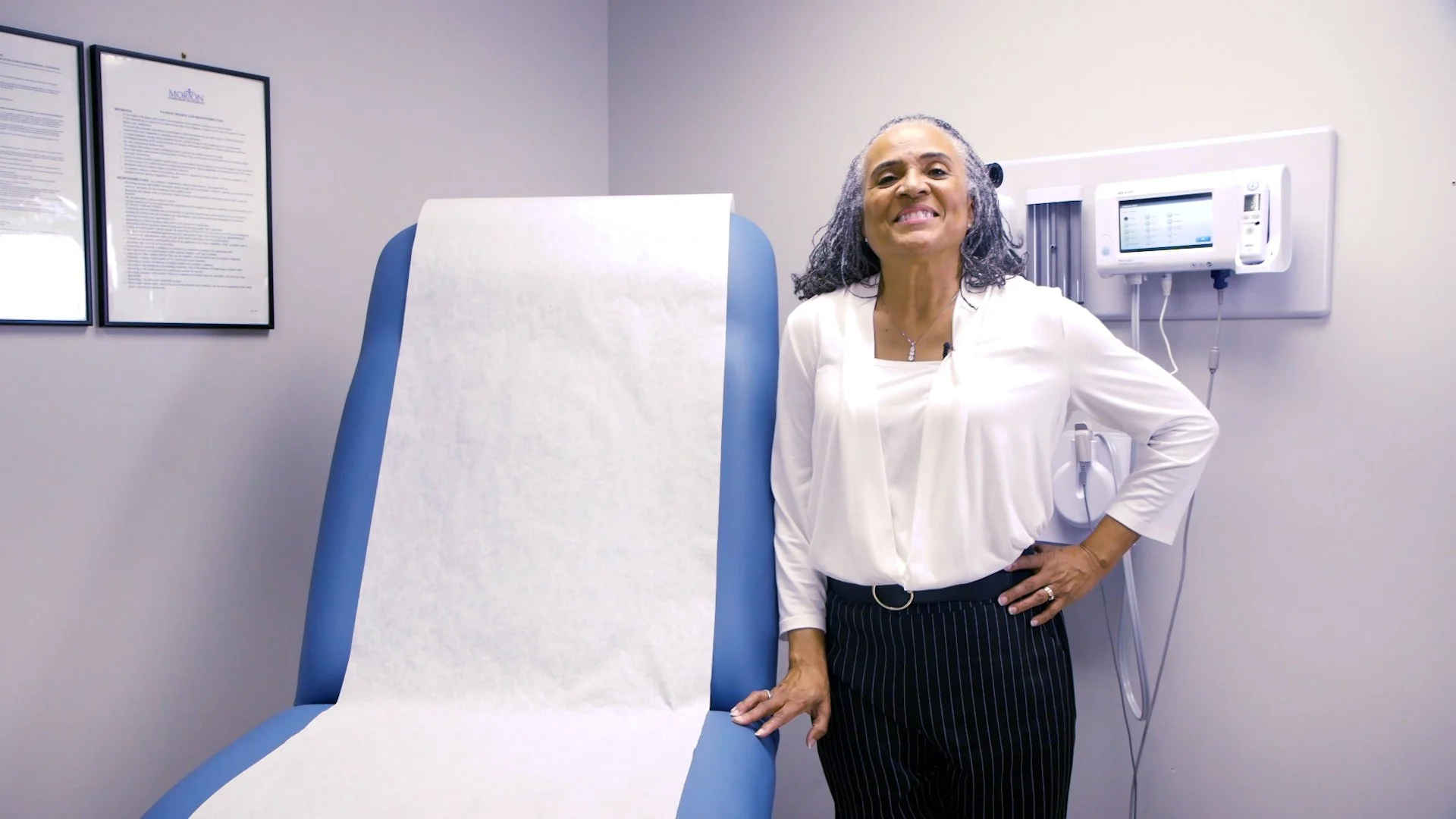
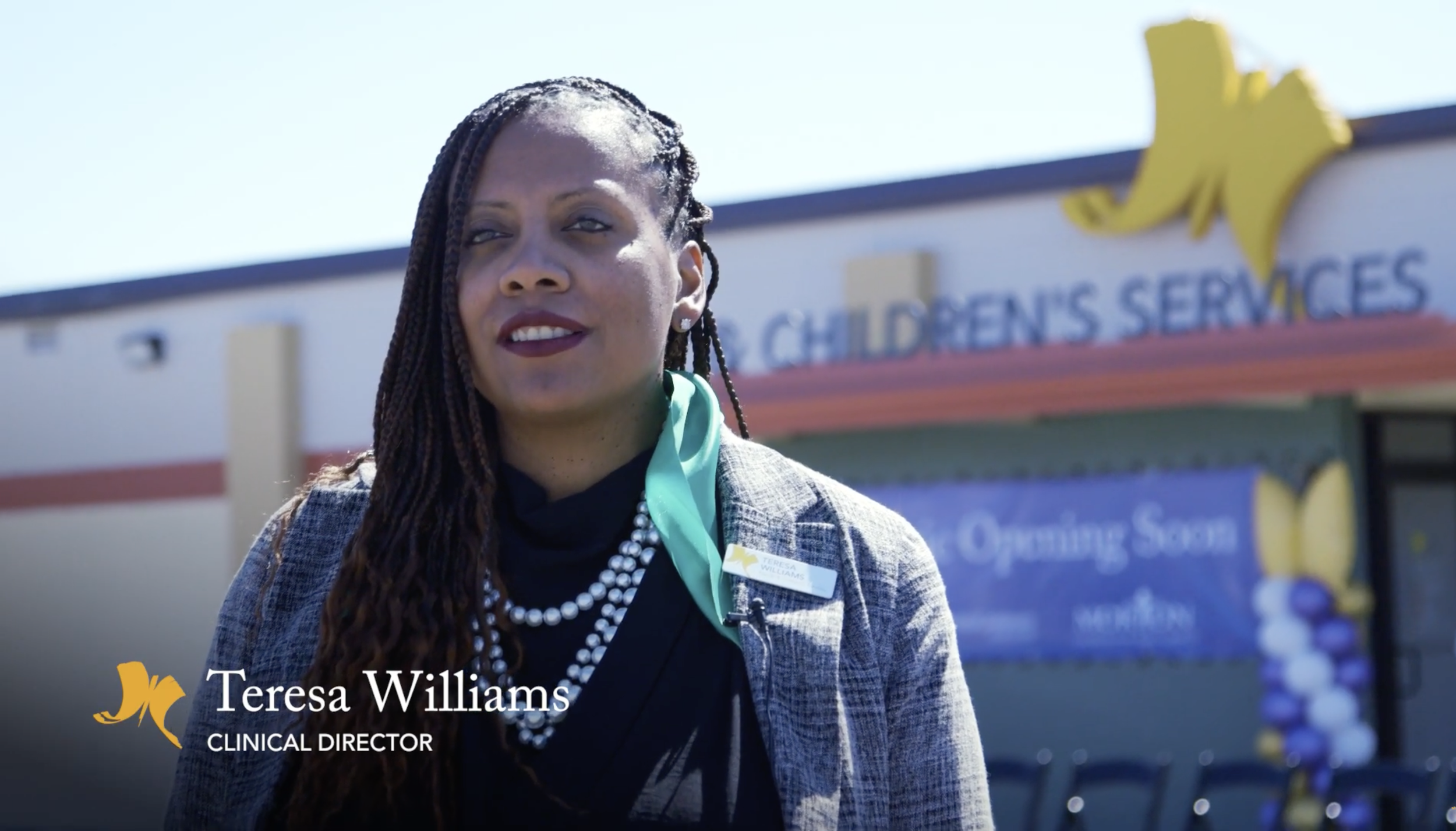
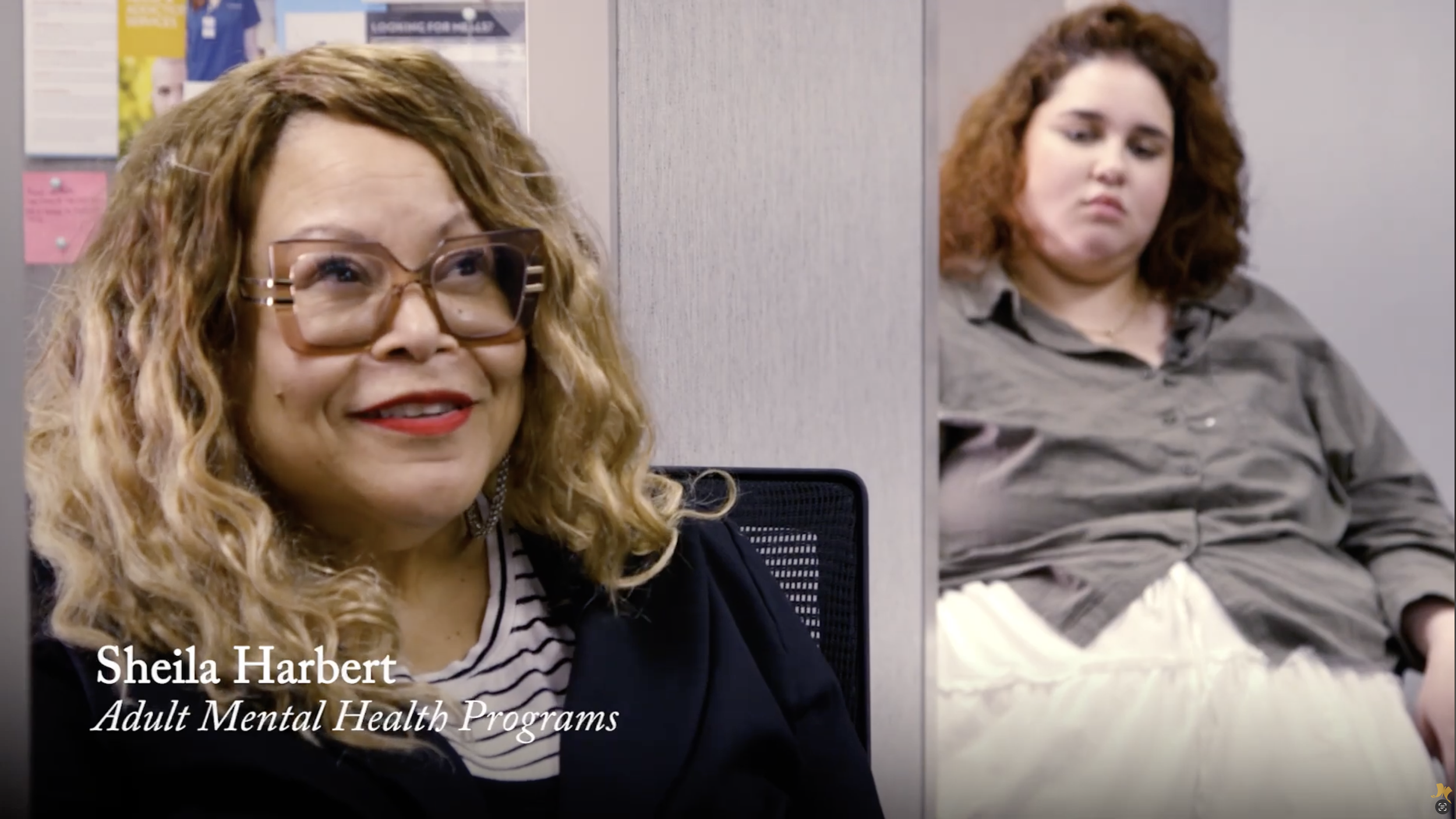
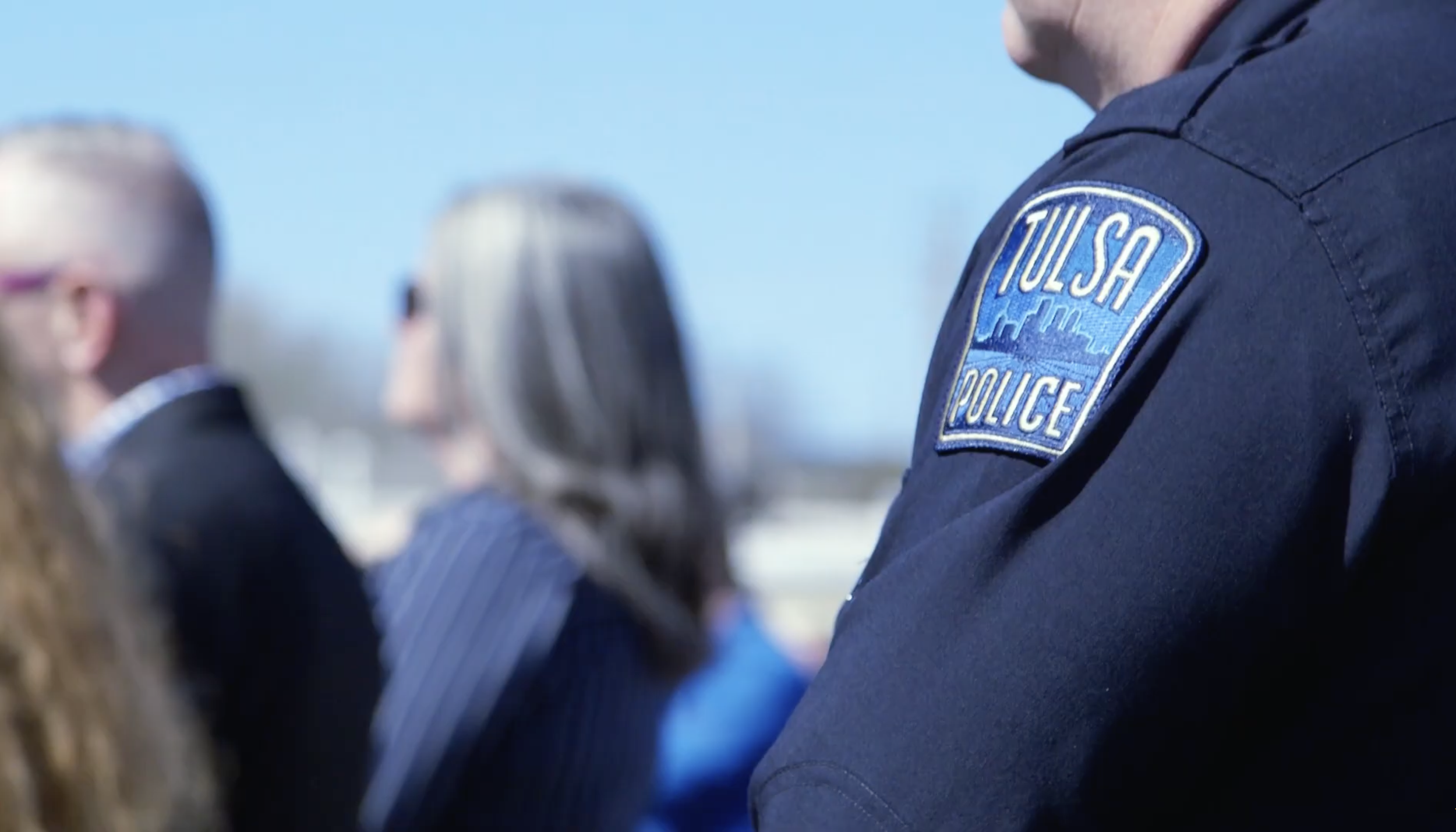
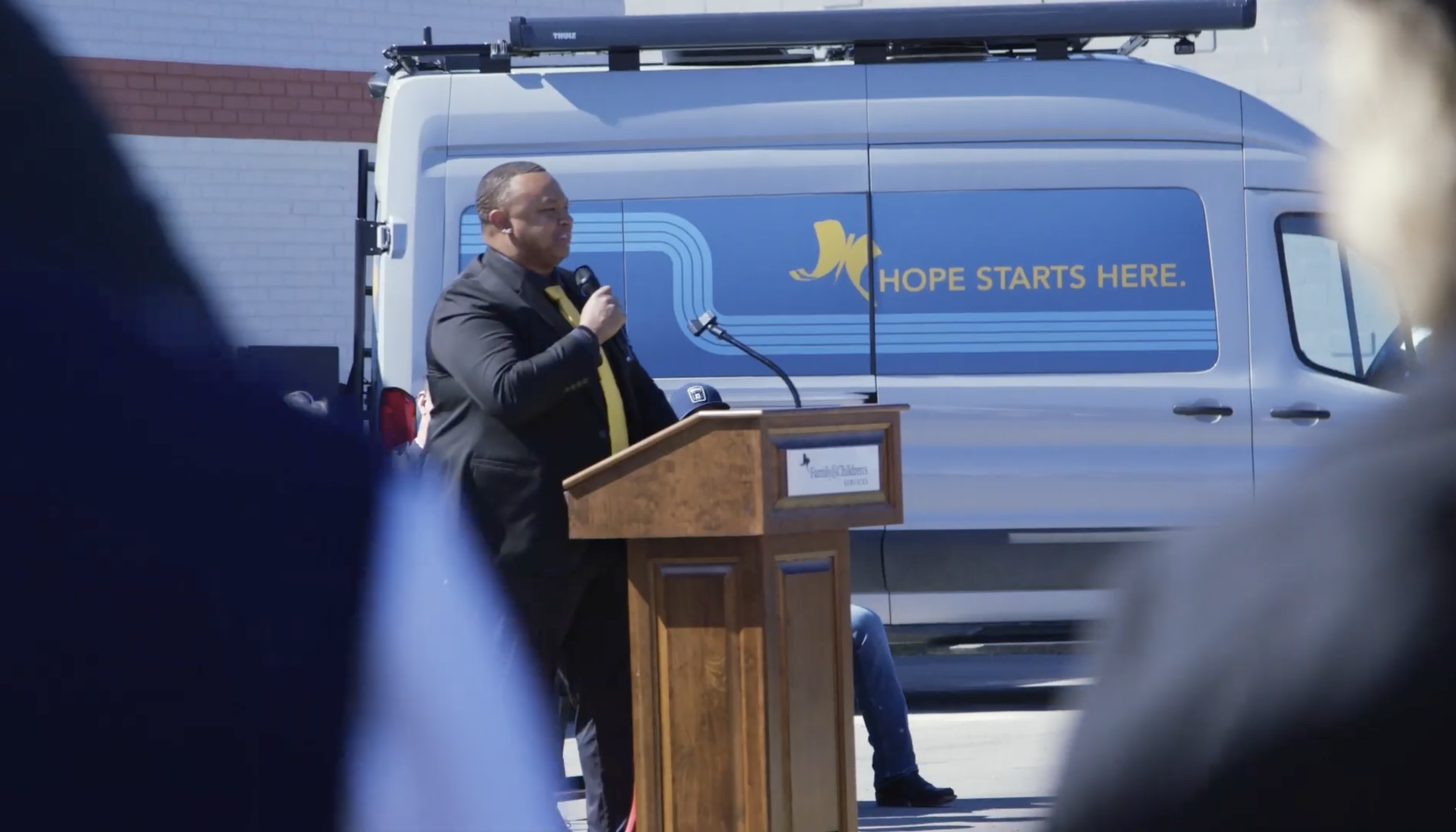
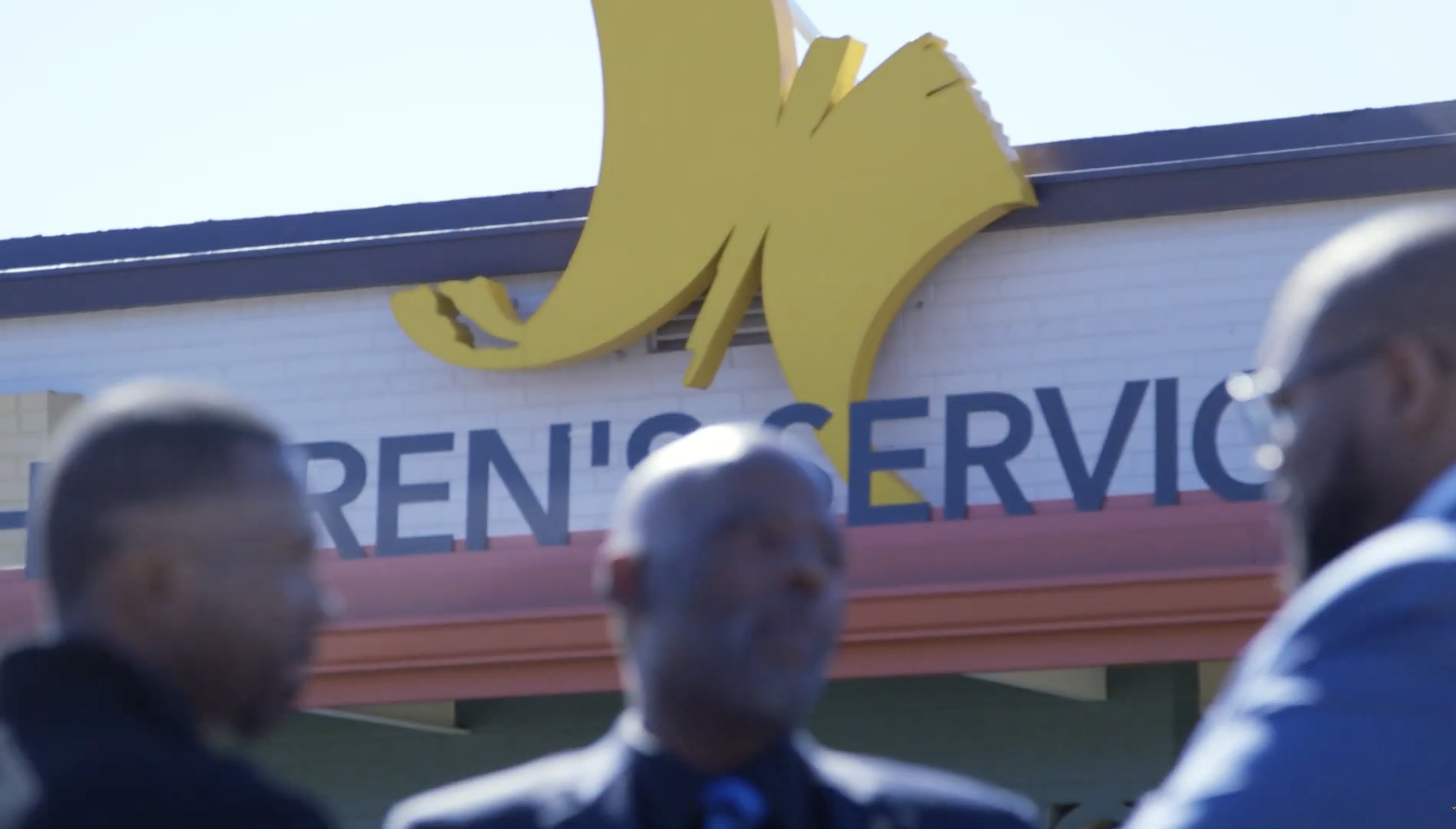
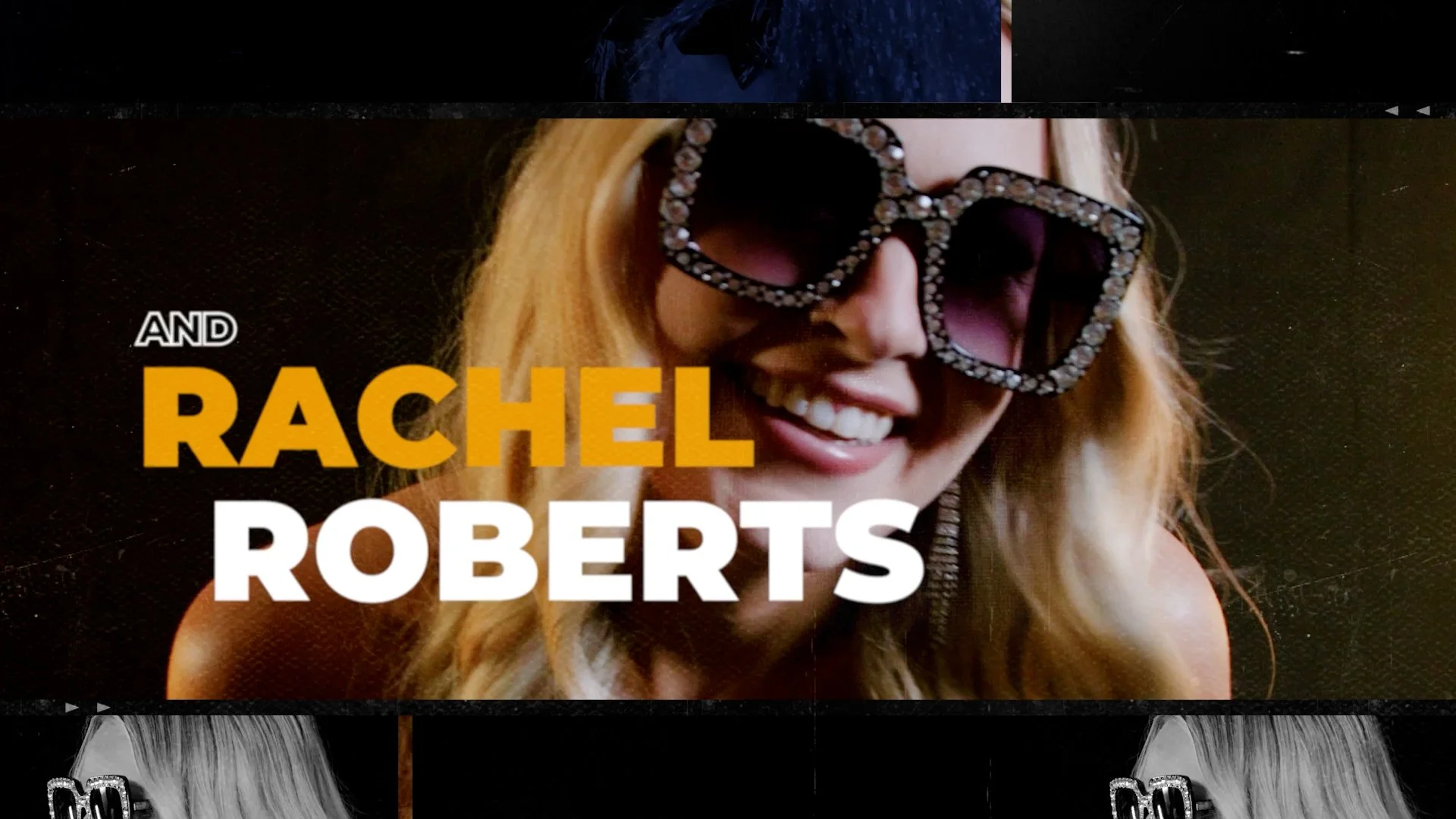
The team’s credibility shifted with the FCS East Building Spotlight video. It set a new bar for pre-production and storytelling, proving that even a small team could consistently deliver high-quality content. Since then, expectations (and requests) have grown. The team consistently delivers polished, engaging content that supports fundraising, internal engagement, and professional authority-building.
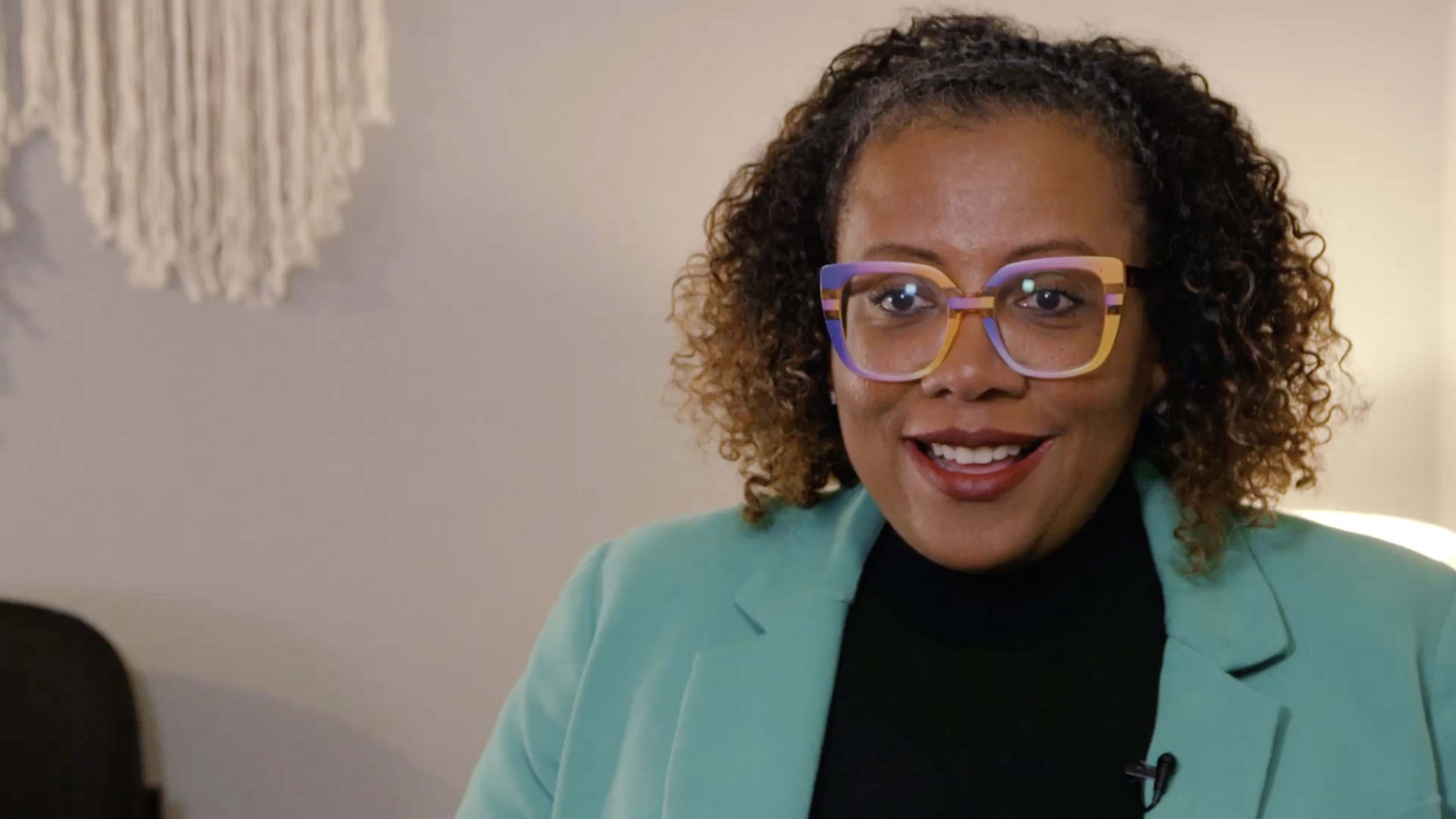
The studio kept growing. We added an in-house headshot service, expanded the kinds of video we could produce, and built repeatable formats that made it easier to turn ideas into finished content. The bigger win was proving that a small in-house team could build a real production capability without needing a huge production operation behind it.


Creating structure without killing the spark
Everything is brand. Every workflow, every handoff, every unseen step shapes how people experience us.
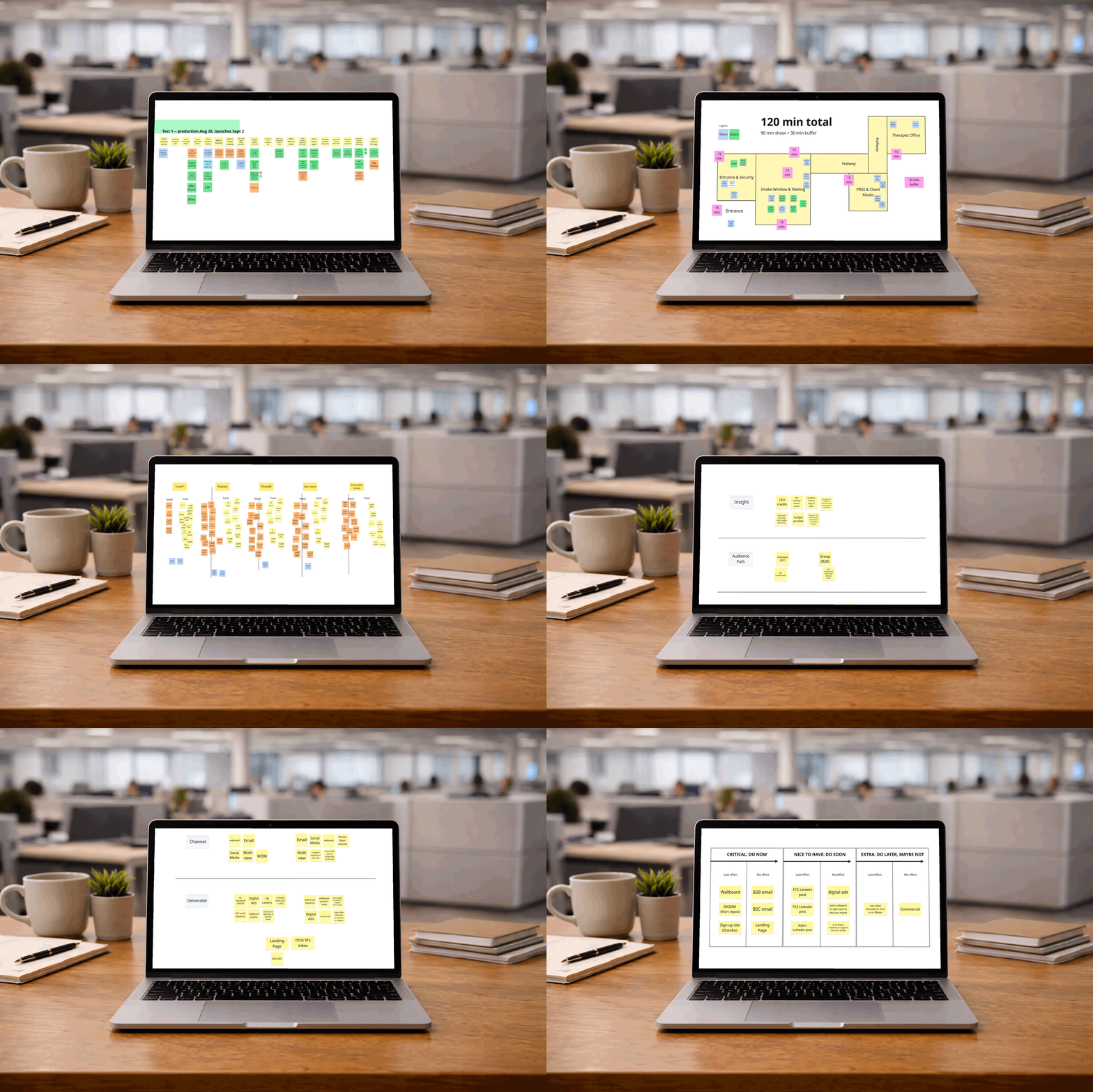
With a growing influx of requests and no sign of additional hires, building flexible frameworks became essential to create the work and maintain quality. Scaling without structure wasn’t an option. Project management, request intake, pre-production, planning and strategy, review cycles, and file management all needed clarity. The challenge was figuring out where we actually needed structure and where we didn’t. Some things needed a real process. Other things just needed people to stop reinventing the same thing every time.
In practice, we leaned into tools like Asana, establishing review processes, submitting work for early feedback, and pairing it with in-person critiques when needed. I’ve shown team members how to use these tools and techniques effectively, modeling best practices along the way. Old habits die hard, and some of these changes caught on quickly. Even small improvements in intake, review, and file management made the day-to-day work easier to keep track of.
The impact is gradual but real. Work is better tracked, documented, and protected from getting lost in the shuffle. Processes may not yet solve every friction point, but they create a foundation for repeatable, high-quality work. Having a flexible system lets FCS keep moving forward. The goal is bigger than any single workflow. If we’re going to solve a problem more than once, I’d rather fix the problem than keep getting better at working around it.
The postings on this site are my own and do not necessarily reflect the views of Family & Children’s Services.